
A clean mattress is essential for restful, hygienic sleep. Over time, it accumulates dust mites, dead skin cells, sweat, oils, and even food particles. While many suggest steam cleaning as the gold standard, not everyone has access to rental machines—or wants to spend money on one. The good news? You can achieve a thorough deep clean using only common household supplies and smart techniques. This guide walks you through a complete, chemical-conscious process that removes odors, kills allergens, and refreshes your mattress naturally.
Why Deep Clean Your Mattress?
Your mattress can harbor up to 200 million dust mites, according to research from The Sleep Council. These microscopic creatures feed on dead skin cells and thrive in warm, humid environments—exactly what your bed becomes over time. In addition to allergens, spills, sweat, and body oils seep into the fabric and padding, creating an ideal breeding ground for bacteria and mold.
Regular surface vacuuming isn’t enough. A true deep clean targets embedded contaminants, eliminates lingering odors, and helps extend the lifespan of your mattress. Skipping this maintenance can lead to poor sleep quality, allergic reactions, and persistent musty smells.
“Even high-quality mattresses degrade faster when exposed to moisture and organic buildup. Deep cleaning every 3–6 months is critical for hygiene and durability.” — Dr. Lena Patel, Environmental Health Specialist
Step-by-Step Guide to Deep Cleaning Without Steam
You don’t need professional equipment to achieve impressive results. Follow this detailed timeline to deep clean your mattress safely and effectively at home.
- Remove all bedding – Strip sheets, pillowcases, mattress protectors, and any toppers. Wash them in hot water (if fabric allows) to kill dust mites and remove surface grime.
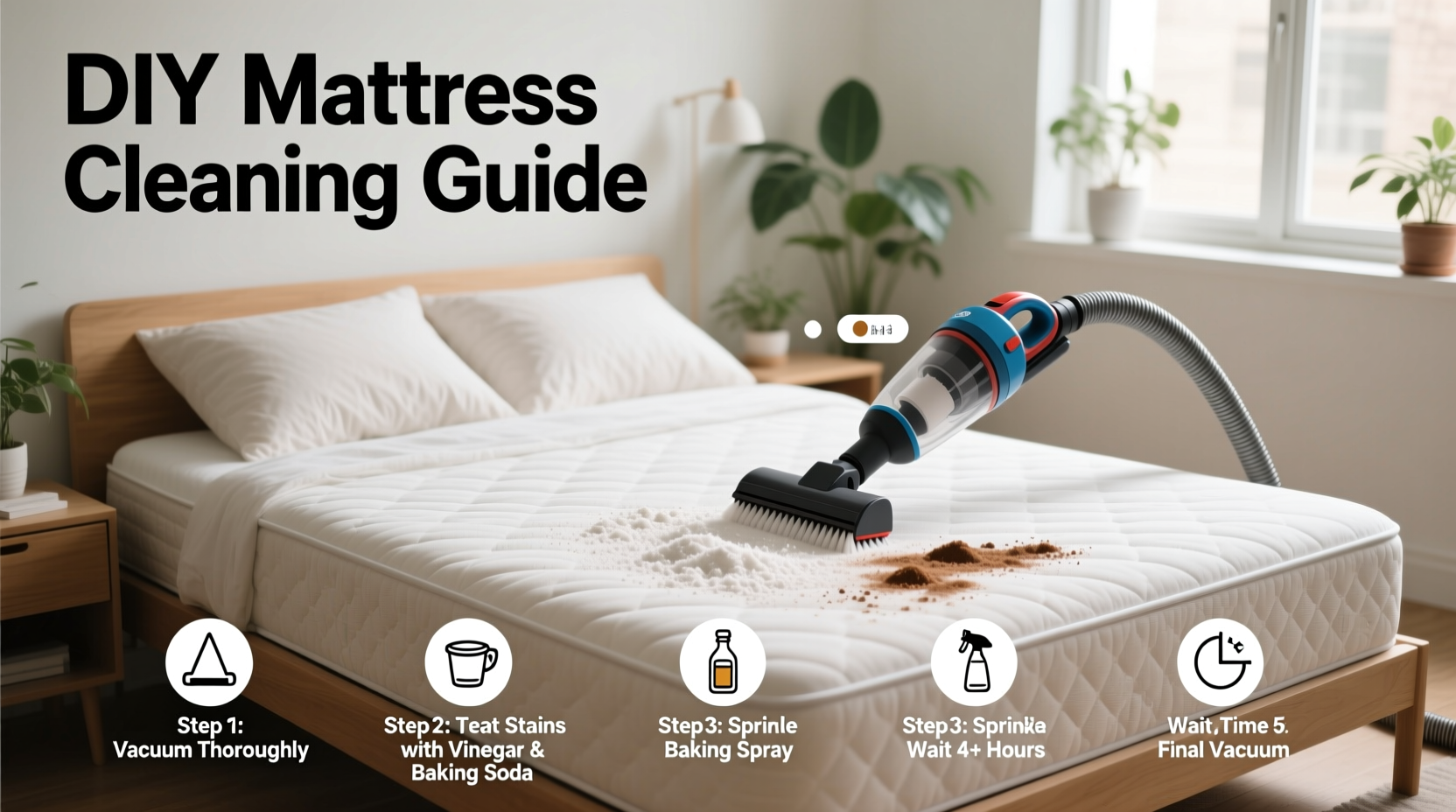
- Vacuum thoroughly – Use a vacuum with a hose attachment to clean the entire surface. Pay special attention to seams, edges, and tufted areas where debris collects. Spend at least 5–7 minutes per side to ensure full coverage.
- Treat stains immediately – Spot-clean visible stains using a gentle, non-abrasive solution. For organic stains (sweat, urine), mix 1/2 cup hydrogen peroxide, 1 tablespoon dish soap, and 1 tablespoon baking soda. Apply with a spray bottle or cloth, let sit for 15–30 minutes, then blot dry.
- Deodorize with baking soda – Sprinkle a generous layer of baking soda over the entire surface. For added freshness, mix in a few drops of essential oil like lavender or tea tree before applying. Let it sit for at least 2 hours—overnight is best for maximum odor absorption.
- Vacuum again – After the baking soda has done its work, vacuum the entire surface once more to remove residue and trapped particles.
- Air out the mattress – Open windows or use fans to circulate air around the mattress. If possible, prop it upright against a wall for several hours to allow internal layers to breathe and dry fully.
- Protect moving forward – Once clean, apply a breathable, waterproof mattress protector to prevent future contamination.
Do’s and Don’ts of Mattress Cleaning
| Do’s | Don’ts |
|---|---|
| Use mild, non-toxic cleaners like vinegar, baking soda, or hydrogen peroxide | Soak the mattress—excess moisture can lead to mold growth inside foam or springs |
| Allow ample drying time before remaking the bed | Use bleach or ammonia-based products—they can break down fabric and foam over time |
| Rotate your mattress every 3–6 months to promote even wear | Ignore manufacturer care instructions—some memory foam models are not suitable for liquid treatments |
| Spot-test solutions before widespread application | Forget about the sides and bottom—these areas collect dust too |
| Clean every 3–6 months depending on use and allergies | Use scented sprays to mask odors—they don’t address root causes and may trigger sensitivities |
Real Example: Reviving a Guest Room Mattress
Sarah, a homeowner in Portland, noticed her guest bed had developed a stale, musty smell after being used intermittently for two years. She didn’t want to rent a steam cleaner due to cost and storage concerns. Instead, she followed the method above: she stripped the bed, vacuumed deeply, applied a baking soda and tea tree oil mixture, and let it sit overnight. The next morning, she vacuumed again and aired out the room with cross-ventilation. The result? Guests commented on how fresh the room smelled, and Sarah reported no recurrence of odor for over eight months. She now repeats the process twice a year and uses a zippered protector to maintain cleanliness.
Alternative Cleaning Methods & Natural Solutions
If you're avoiding commercial cleaners, natural alternatives can be highly effective. Below are proven options:
- White Vinegar Solution: Mix equal parts white vinegar and water in a spray bottle. Lightly mist stained or smelly areas. Vinegar neutralizes alkaline residues and acts as a mild disinfectant. Blot immediately and follow with baking soda to absorb residual moisture and odor.
- Hydrogen Peroxide Paste: Combine 3% hydrogen peroxide with baking soda to form a thick paste. Ideal for yellowed sweat stains. Apply, cover with a clean cloth to prevent dripping, and let sit for 30 minutes before blotting.
- Essential Oil Spray: After cleaning, create a refreshing finisher with 1 cup distilled water, 1 tablespoon witch hazel, and 10 drops of tea tree or eucalyptus oil. Spray lightly to discourage dust mites and add a calming scent.
- Sunlight Exposure: If weather permits, place the mattress (or topper) outside in indirect sunlight for 2–3 hours. UV rays help kill bacteria and reduce moisture. Never leave it in direct sun for extended periods, as this can degrade foam and fabric.
Checklist: Deep Cleaning Your Mattress at Home
Use this checklist to stay organized and ensure no step is missed during your cleaning session.
- ☐ Remove all bedding and wash in hot water
- ☐ Vacuum top, sides, and base of mattress thoroughly
- ☐ Identify and mark any stains for targeted treatment
- ☐ Prepare stain solution (e.g., hydrogen peroxide + baking soda)
- ☐ Apply to stains, wait 15–30 minutes, then blot dry
- ☐ Sprinkle baking soda evenly across the surface
- ☐ Add optional essential oils for fragrance
- ☐ Let sit for 2+ hours (overnight preferred)
- ☐ Vacuum baking soda completely
- ☐ Air out mattress in well-ventilated space
- ☐ Inspect for remaining dampness before remaking bed
- ☐ Install a new or cleaned mattress protector
Frequently Asked Questions
Can I use a carpet cleaner on my mattress?
It's not recommended. Carpet cleaners often contain harsh detergents and leave behind excess moisture, increasing the risk of mold. Stick to low-moisture methods unless the product specifically states it's safe for upholstery or mattresses.
How long does a mattress take to dry after cleaning?
Drying time depends on humidity and airflow. Typically, 4–6 hours is sufficient if minimal liquid was used. For deeper spot treatments, allow up to 12 hours. Never place sheets back on a damp mattress—this encourages mildew.
Is baking soda safe for memory foam mattresses?
Yes, baking soda is safe and effective for memory foam. Just avoid soaking the material. Use light misting and blotting techniques for stains, and always vacuum thoroughly after application.
Expert Tips for Long-Term Mattress Care
Maintaining a clean mattress goes beyond periodic deep cleans. Incorporate these habits into your routine to preserve hygiene and comfort:
- Use a high-quality mattress protector – Choose a breathable, hypoallergenic model that blocks liquids and allergens while allowing heat to escape.
- Rotate regularly – Even if your mattress is double-sided, rotating head-to-foot every 3–6 months prevents uneven compression and extends life.
- Wash bedding weekly – Sheets and pillowcases trap oils and microbes; regular washing reduces transfer to the mattress.
- Avoid eating or drinking in bed – Spills are a leading cause of stains and odors. Keep food and beverages out of the sleeping zone.
- Vacuum quarterly – Even between deep cleans, a quick vacuum removes surface dust and delays buildup.
“The most overlooked factor in mattress longevity is airflow. Many people place their bed directly against the wall or on a solid platform with no ventilation. Elevating it slightly or using slatted bases improves breathability and reduces moisture retention.” — Marcus Tran, Furniture Durability Analyst
Conclusion
Deep cleaning your mattress without a steam machine is not only possible—it’s often safer and more convenient. With baking soda, vinegar, hydrogen peroxide, and proper technique, you can eliminate odors, reduce allergens, and refresh your sleep surface using items already in your home. The process takes just a few hours but delivers lasting benefits for your health and comfort. Regular maintenance prevents the need for aggressive treatments later and protects your investment in quality sleep.




 浙公网安备
33010002000092号
浙公网安备
33010002000092号 浙B2-20120091-4
Comments
No comments yet. Why don't you start the discussion?