
Cleaning a microwave often feels like a chore no one wants to tackle. Over time, splatters, dried food, and lingering odors accumulate on the walls, ceiling, and turntable. While commercial cleaners promise quick results, many contain harsh chemicals that leave behind residues or fumes. A safer, more sustainable alternative? Harness the power of steam and lemon.
This natural cleaning method uses heat and acidity to loosen grime without toxic ingredients. It’s cost-effective, environmentally friendly, and leaves your microwave smelling fresh. Whether you’ve spilled soup, reheated fish, or simply neglected maintenance, this guide provides everything you need to restore your microwave to spotless condition—using just water, lemon, and a few household items.
The Science Behind Steam and Lemon Cleaning
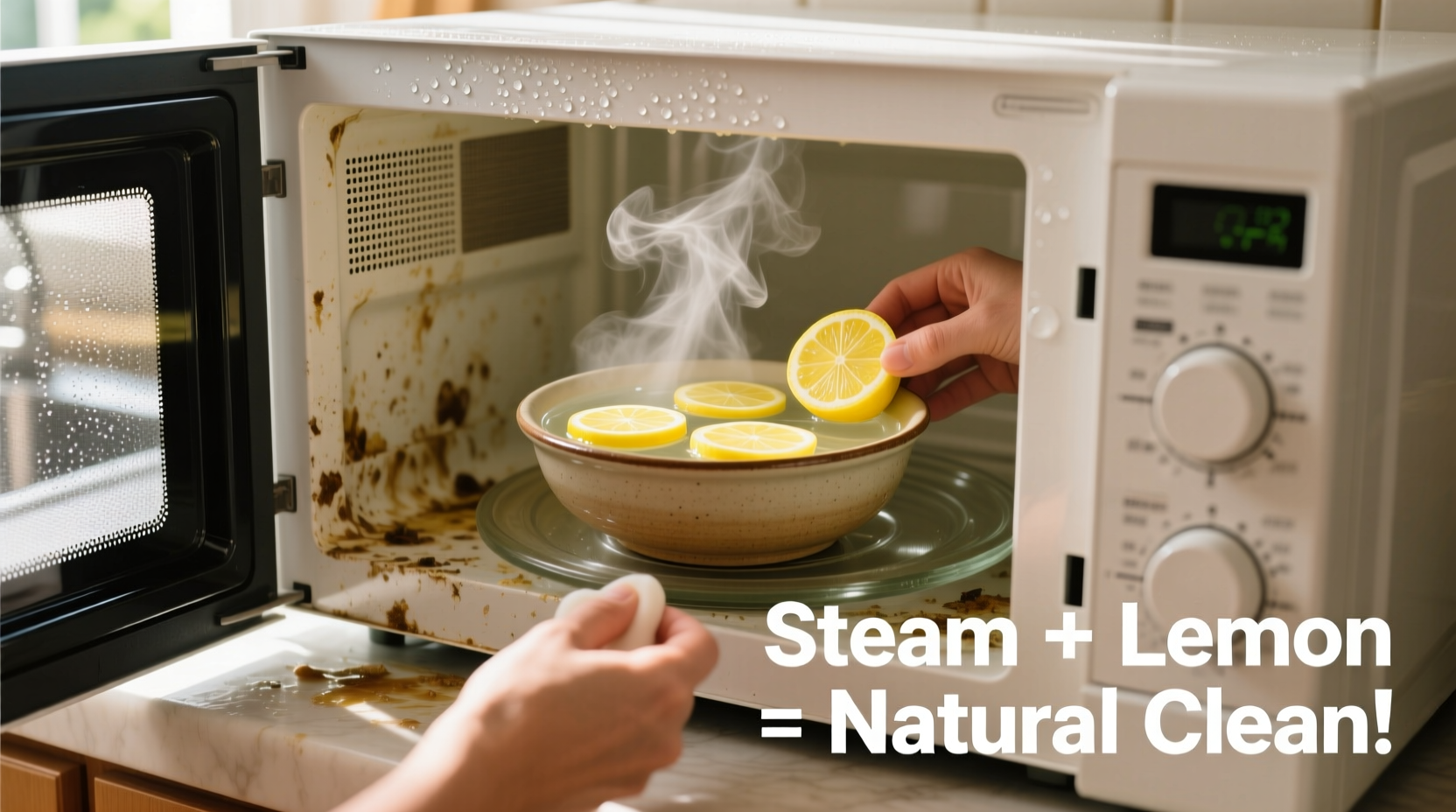
Steam is a powerful cleaning agent because it penetrates grease and dried-on food particles by softening them through moisture and heat. When water heats in the microwave, it produces vapor that condenses on interior surfaces, effectively loosening debris. This reduces scrubbing effort significantly.
Lemon adds another layer of effectiveness. Its high citric acid content breaks down alkaline residues (like baked-on cheese or sauce) while acting as a natural deodorizer. The essential oils in lemon peel also contribute to antibacterial properties, helping sanitize the interior without synthetic disinfectants.
“Using natural acids like lemon juice can dissolve organic buildup safely, making it ideal for kitchen appliances where food contact occurs.” — Dr. Rebecca Lin, Environmental Health Scientist
Together, steam and lemon create a synergistic effect: steam lifts the gunk, and lemon dissolves it. No scrubbing frenzy required.
Step-by-Step Guide: Deep Clean Your Microwave Naturally
Follow this detailed process to achieve a deep clean using only lemon and water. The entire procedure takes about 30 minutes, most of which is hands-off steaming time.
- Gather Supplies: You’ll need one large microwave-safe bowl, 1 cup of water, half a lemon (sliced), a sponge or microfiber cloth, and optionally, a toothbrush for tight corners.
- Prepare the Citrus Solution: Squeeze the juice from half a lemon into the bowl. Drop in the squeezed halves or slices. Pour in 1 cup of water. Stir gently.
- Heat the Mixture: Place the bowl in the center of the microwave. Heat on high for 4–5 minutes, or until the mixture boils vigorously and steam coats the interior walls. Watch closely to avoid boiling over.
- Let It Sit: After heating, leave the door closed for 5–10 minutes. This allows the steam to continue penetrating stuck-on residue.
- Wipe Down Interior: Carefully remove the hot bowl (use oven mitts). Dip a sponge or cloth in warm water, wring it out, and wipe all interior surfaces. Most grime should come off easily. For stubborn spots, press the cloth against the area for a few seconds before wiping.
- Clean the Turntable and Tray: Remove the glass plate and roller ring (if applicable). Wash with warm soapy water. Use the lemon-infused water to help cut through grease.
- Final Polish: Dampen a clean cloth with fresh water and wipe down all surfaces to remove any remaining citrus residue. Dry with a lint-free towel.
- Deodorize (Optional): If odors persist, place a small bowl of baking soda inside overnight to absorb lingering smells.
Why This Method Works Better Than Chemical Cleaners
Many store-bought microwave cleaners rely on ammonia or chlorine-based compounds to break down grime. While effective, these substances can pose health risks when inhaled, especially in poorly ventilated kitchens. Residue may also transfer to food during subsequent use.
In contrast, the lemon-steam method offers several advantages:
- Safety: Safe for homes with children and pets; no toxic fumes.
- Eco-Friendliness: Biodegradable ingredients reduce environmental impact.
- Aroma: Leaves a bright, refreshing scent instead of artificial fragrances.
- Cost: Uses inexpensive, commonly available ingredients.
- Surface Compatibility: Gentle enough for painted interiors, stainless steel, and plastic components.
Unlike abrasive wipes or sprays that can scratch or degrade finishes over time, this method preserves the microwave’s longevity. It's also ideal for frequent maintenance, allowing regular cleaning without wear concerns.
Common Mistakes to Avoid
Even simple methods can go wrong if not executed properly. Here are common pitfalls and how to avoid them:
| Mistake | Consequence | How to Prevent |
|---|---|---|
| Boiling too long | Water evaporates completely; bowl cracks or burns | Set timer for 4–5 minutes and monitor closely |
| Opening door immediately after heating | Steam escapes quickly, reducing effectiveness | Wait 5–10 minutes with door closed |
| Using metal scrubbers | Scratches interior coating, promotes rust | Use soft cloths or non-abrasive sponges |
| Skipping turntable removal | Grease builds up underneath, causes odors | Always remove and wash separately |
| Not drying thoroughly | Moisture encourages mold growth | Dry all parts before reassembling |
Real-Life Example: Reviving a Neglected Microwave
Sarah, a busy freelance designer in Portland, hadn’t cleaned her microwave in over eight months. Between late-night meals and reheating takeout, layers of sauce splatter and hardened cheese coated the walls. “It smelled sour even when empty,” she said. She tried wiping it down once but gave up after 20 minutes of scrubbing with little progress.
After reading about the lemon-steam method, she decided to try it. She combined lemon juice, water, and a splash of vinegar in a ceramic bowl, heated it for 5 minutes, and waited 10 minutes before opening. “I couldn’t believe how easily everything wiped away,” Sarah recalled. “The worst stain—dried tomato sauce near the top—came off with light pressure. I was done in under 15 minutes total.”
She now cleans her microwave monthly using this technique and keeps a lemon in the fridge specifically for appliance maintenance. “It’s become part of my kitchen routine, like loading the dishwasher,” she said.
Checklist: Natural Microwave Deep Cleaning Routine
Keep this checklist handy for your next cleaning session:
- ✅ Gather a microwave-safe bowl, lemon, water, sponge, and cloth
- ✅ Cut lemon in half and squeeze juice into the bowl
- ✅ Add lemon halves/slices and 1 cup of water
- ✅ Optional: Add 1 tbsp white vinegar for extra power
- ✅ Microwave on high for 4–5 minutes until steaming
- ✅ Let sit for 5–10 minutes (door closed)
- ✅ Carefully remove bowl using oven mitts
- ✅ Wipe interior with damp cloth or sponge
- ✅ Remove and wash turntable and roller ring
- ✅ Rinse and dry all surfaces
- ✅ Leave door open briefly to air out
- ✅ Store lemon remnants in freezer for future use
Frequently Asked Questions
Can I use bottled lemon juice instead of fresh?
Yes, but fresh lemon juice is more effective due to higher citric acid levels and lack of preservatives. Bottled juice may contain additives that reduce cleaning efficiency.
How often should I deep clean my microwave?
For average household use, deep clean every 4–6 weeks. High-use kitchens (e.g., families or meal-preppers) should do it every 2–3 weeks. Light surface wipes can be done weekly.
Is it safe to use lemon on stainless steel microwaves?
Yes, as long as you rinse thoroughly afterward. Prolonged exposure to citric acid can cause pitting on some metals, so always follow up with a water wipe and dry immediately.
Maximizing Long-Term Microwave Hygiene
Prevention is key to minimizing deep cleaning frequency. Simple daily habits can keep your microwave in better condition between treatments:
- Cover food: Use a microwave-safe lid or paper towel to prevent splatters.
- Wipe spills immediately: After removing hot food, quickly wipe any visible mess while surfaces are still warm.
- Use microwave trays: Elevate containers on a rack or tray to catch drips.
- Air out after use: Leave the door slightly ajar for a few minutes after cooking strong-smelling foods.
- Rotate placement: If your microwave has a turntable, ensure it spins freely to promote even heating and reduce localized buildup.
Additionally, consider labeling a dedicated \"microwave cleaning kit\"—a small caddy with a sponge, microfiber cloth, spare lemon, and vinegar—to make maintenance effortless.
Conclusion: Embrace Simplicity and Sustainability
Deep cleaning your microwave doesn’t require chemical warfare or elbow grease. With steam and lemon, you harness nature’s own cleaning tools to achieve a sparkling result—safely and affordably. This method respects both your health and the environment, proving that effective cleaning doesn’t have to come at a cost.
Start incorporating this routine into your household maintenance. Not only will your microwave function better and last longer, but you’ll also enjoy a fresher, more pleasant kitchen experience. Small actions lead to lasting change. Try it today, and feel the difference a naturally clean appliance can make.




 浙公网安备
33010002000092号
浙公网安备
33010002000092号 浙B2-20120091-4
Comments
No comments yet. Why don't you start the discussion?