
A top-loading washing machine should be a symbol of cleanliness, but when it starts emitting a musty, mildew-like odor, the irony is hard to ignore. That damp, earthy smell isn’t just unpleasant—it’s a sign that mold, mildew, and bacteria are thriving in hidden areas of your washer. Over time, moisture, detergent residue, and fabric softener buildup create the perfect breeding ground for microbial growth, especially in high-humidity environments or when the lid remains closed between uses.
Unlike front-load washers, which have well-documented maintenance routines due to their rubber gaskets, top loaders are often mistakenly considered “maintenance-free.” This misconception leads many homeowners to neglect routine cleaning—until the smell becomes impossible to ignore. The good news: restoring your washer to fresh, odor-free condition doesn’t require professional help or expensive products. With a few household ingredients and about an hour of effort, you can perform a thorough deep clean that eliminates odors at their source and prevents recurrence.
Why Top Load Washers Develop Mildew Smells
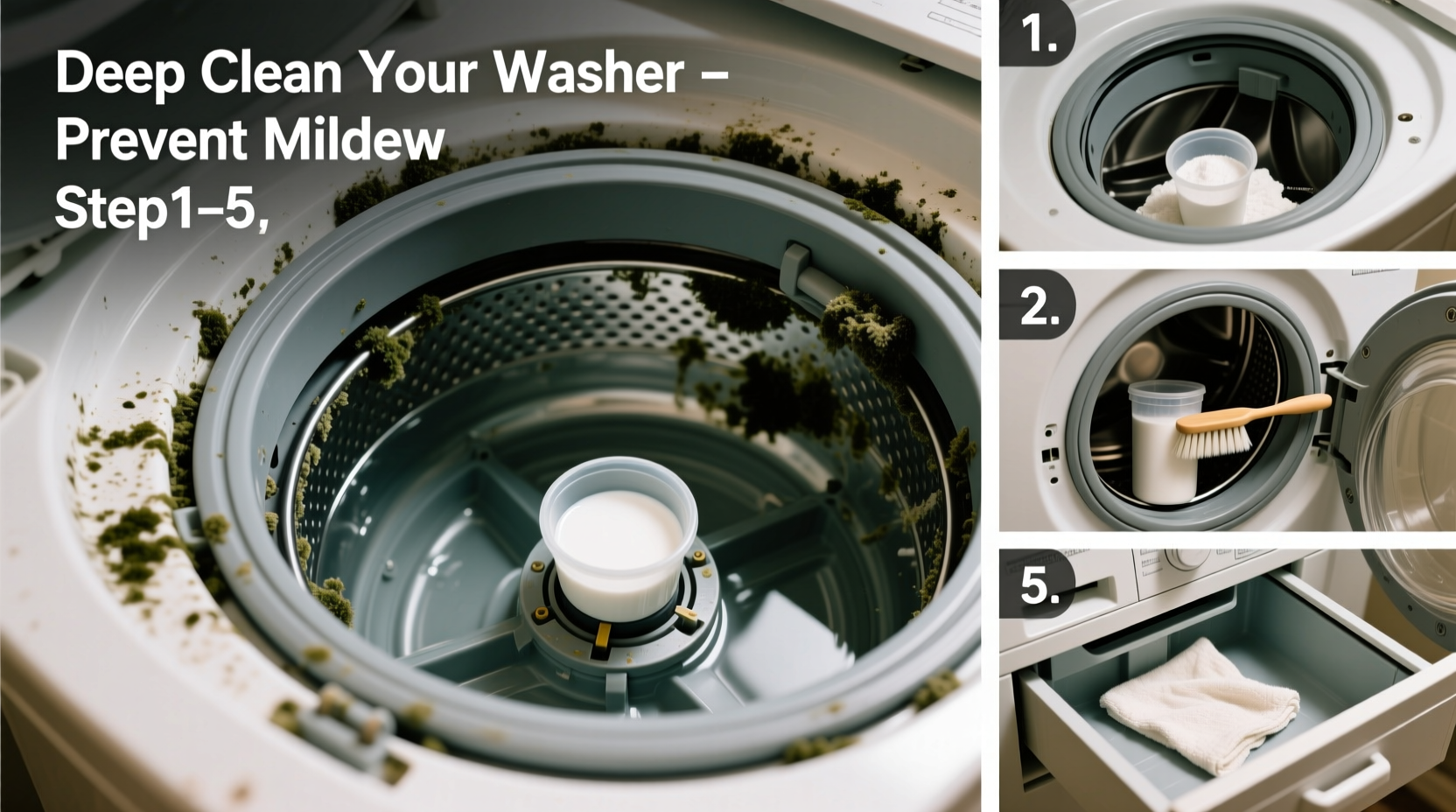
While top-loading machines don’t have a front door seal where water can pool, they are still vulnerable to microbial growth. The primary culprits behind the mildew smell include:
- Detergent and fabric softener buildup: Excess suds and oily residues coat the drum, agitator, and internal components, trapping moisture and organic matter.
- Stagnant water in the pump or hoses: Residual water left after cycles creates a dark, warm environment ideal for mold.
- Lid left closed: Keeping the lid shut prevents airflow, allowing humidity to linger and promote microbial growth.
- Infrequent use or short cycles: Machines used only for small loads may not reach temperatures or agitation levels needed to self-clean.
- Washing in cold water only: While energy-efficient, cold water doesn’t kill bacteria or dissolve greasy residues effectively over time.
According to Dr. Lisa Martinez, microbiologist at the National Home Appliance Research Center, “Even top-load washers accumulate biofilm—a slimy matrix of microbes and organic debris—on internal surfaces. If not cleaned regularly, this film breaks down into volatile organic compounds that produce the characteristic ‘dirty sock’ or mildew odor.”
“Biofilm buildup in washing machines is more common than people realize. It's not just dirt—it's a living colony of microbes that reproduce rapidly in moist environments.” — Dr. Lisa Martinez, Microbiologist
Step-by-Step Deep Cleaning Process
Cleaning a smelly top load washer requires more than a quick rinse. A true deep clean targets all zones where grime accumulates: the drum, agitator (if present), dispensers, lid seal, and internal plumbing. Follow this comprehensive sequence for best results.
- Remove visible debris: Wipe down the inside of the lid and rubber gasket (if your model has one around the opening). Use a microfiber cloth dampened with white vinegar to remove any slime or discoloration.
- Clear the dispenser trays: Pull out detergent, bleach, and fabric softener drawers. Soak them in warm, soapy water mixed with ½ cup of vinegar for 20 minutes. Scrub with an old toothbrush, rinse, and dry before reinserting.
- Run a hot water cycle with vinegar: Set the washer to the largest load size and hottest water setting. Add 4 cups of distilled white vinegar directly into the drum. Do not add clothes or detergent. Let the cycle complete fully.
- Scrub the drum and agitator: After the vinegar cycle, pause before draining. Use a long-handled brush or sponge to scrub the interior walls, bottom of the drum, and agitator fins. Focus on crevices where black specks or slime appear.
- Run a second cycle with baking soda: Once drained, sprinkle 1 cup of baking soda into the drum. Run another full cycle on hot. Baking soda neutralizes lingering odors and lifts residual grime.
- Clean the drain pump filter (if accessible): Some top loaders have a small access panel near the base. Consult your manual. Remove any lint, coins, or sludge blocking the filter.
- Wipe exterior and control panel: Dampen a cloth with vinegar solution and wipe the outside, including buttons and dials. Avoid excessive moisture near electronics.
- Leave the lid open: After cleaning, prop the lid open to allow full drying. This prevents future moisture accumulation.
Do’s and Don’ts When Cleaning Your Washer
Mistakes during cleaning can worsen the problem or damage your machine. Refer to this table to avoid common pitfalls.
| Do’s | Don’ts |
|---|---|
| Use distilled white vinegar—it’s acidic enough to kill mold but safe for most machine parts. | Never mix vinegar with bleach. This creates toxic chlorine gas. |
| Run cleaning cycles monthly if you use the washer frequently. | Don’t use abrasive pads on the drum—they can scratch surfaces and trap residue. |
| Leave the lid open between uses to encourage air circulation. | Don’t overload the machine; it reduces cleaning efficiency and traps moisture. |
| Use high-efficiency (HE) detergent if recommended by the manufacturer. | Don’t pour undiluted essential oils directly into the drum—they can damage seals. |
| Check and clean the lint filter every 3–6 months. | Don’t skip wiping the rim and underside of the lid—these areas collect moisture. |
Real Example: How Sarah Fixed Her Smelly Washer
Sarah, a mother of two in Atlanta, noticed her towels coming out smelling damp despite using fragrance-boosting detergents. Her 5-year-old top loader had developed a sour odor, especially after overnight loads. She tried adding extra detergent, then odor-neutralizing pods, but the problem worsened.
After reading about biofilm buildup, she decided to deep clean the machine herself. She removed the dispenser drawer and found a thick, gelatinous residue. She soaked it, scrubbed the drum with vinegar, and ran two cleaning cycles—one with vinegar, one with baking soda. During the process, she discovered standing water beneath the agitator, which she manually scooped out with a cup.
“I was shocked at how much gunk came out,” she said. “After the second cycle, I ran an empty hot wash with no additives just to rinse. Now, I leave the lid cracked and do a maintenance cycle every month. My towels finally smell clean again.”
Monthly Maintenance Checklist
Prevention is far easier than remediation. Use this checklist to keep your top load washer fresh and functional year-round.
- ✅ Run a hot water cycle with 2 cups of vinegar once per month
- ✅ Wipe the lid, rim, and inner collar weekly with a vinegar-dampened cloth
- ✅ Clean the detergent drawer every 4–6 weeks
- ✅ Inspect and clear the drain pump filter every 3 months
- ✅ Leave the lid open when not in use (use a hook or prop if needed)
- ✅ Avoid overusing fabric softener—switch to wool dryer balls if possible
- ✅ Use the correct amount of HE detergent to prevent suds buildup
- ✅ Wash bath mats and towels on sanitize or heavy-duty cycle monthly
Frequently Asked Questions
Can I use bleach instead of vinegar to clean my washer?
Yes, but with caution. Chlorine bleach is effective at killing mold and bacteria, but it should never be mixed with vinegar or ammonia. If using bleach, run a hot cycle with 1 cup of bleach, followed by a second rinse cycle with plain water to remove any residue. Bleach is harsher on rubber components over time, so limit its use to once every few months.
Why does my washer still smell after cleaning?
If the odor persists, the issue may lie beyond the drum. Check the external drain hose for kinks or clogs, and ensure the standpipe is tall enough (minimum 30 inches) to prevent backflow. In some cases, the internal pump or outer tub may harbor mold that requires professional servicing. Also, verify that your laundry room has adequate ventilation—high humidity encourages regrowth.
Is it safe to use essential oils for scenting the washer?
Not recommended for direct application. While tea tree or eucalyptus oil have natural antimicrobial properties, they are oils and can leave residues that attract dirt or damage rubber seals. If desired, add a few drops to a damp cloth and wipe the drum after cleaning—never pour into dispensers or directly onto surfaces.
Conclusion: Take Action Before Odors Return
A smelly top load washer isn’t just inconvenient—it compromises the cleanliness of your clothes and can lead to costly repairs if neglected. The cleaning process outlined here addresses both surface grime and hidden microbial colonies, restoring your machine’s performance and hygiene. More importantly, regular maintenance prevents future issues, saving time and protecting your investment.
Don’t wait for the next load of laundry to reveal a musty surprise. Schedule your deep clean today, implement the monthly checklist, and make lid ventilation a habit. A fresh-smelling washer isn’t a luxury—it’s a standard of home care that pays off in cleaner clothes, better efficiency, and peace of mind.




 浙公网安备
33010002000092号
浙公网安备
33010002000092号 浙B2-20120091-4
Comments
No comments yet. Why don't you start the discussion?