
Yoga mats accumulate sweat, bacteria, dead skin cells, and environmental pollutants over time. Even with regular wiping, a surface cleanse isn’t enough to maintain hygiene or preserve the integrity of your mat. Deep cleaning is essential—especially if you practice daily or in heated environments. While commercial cleaners are available, many contain harsh chemicals that degrade rubber and irritate sensitive skin. A better alternative? A homemade solution using white vinegar and essential oils. This method is effective, affordable, non-toxic, and kind to both your mat and the planet.
Why Vinegar and Essential Oils Work
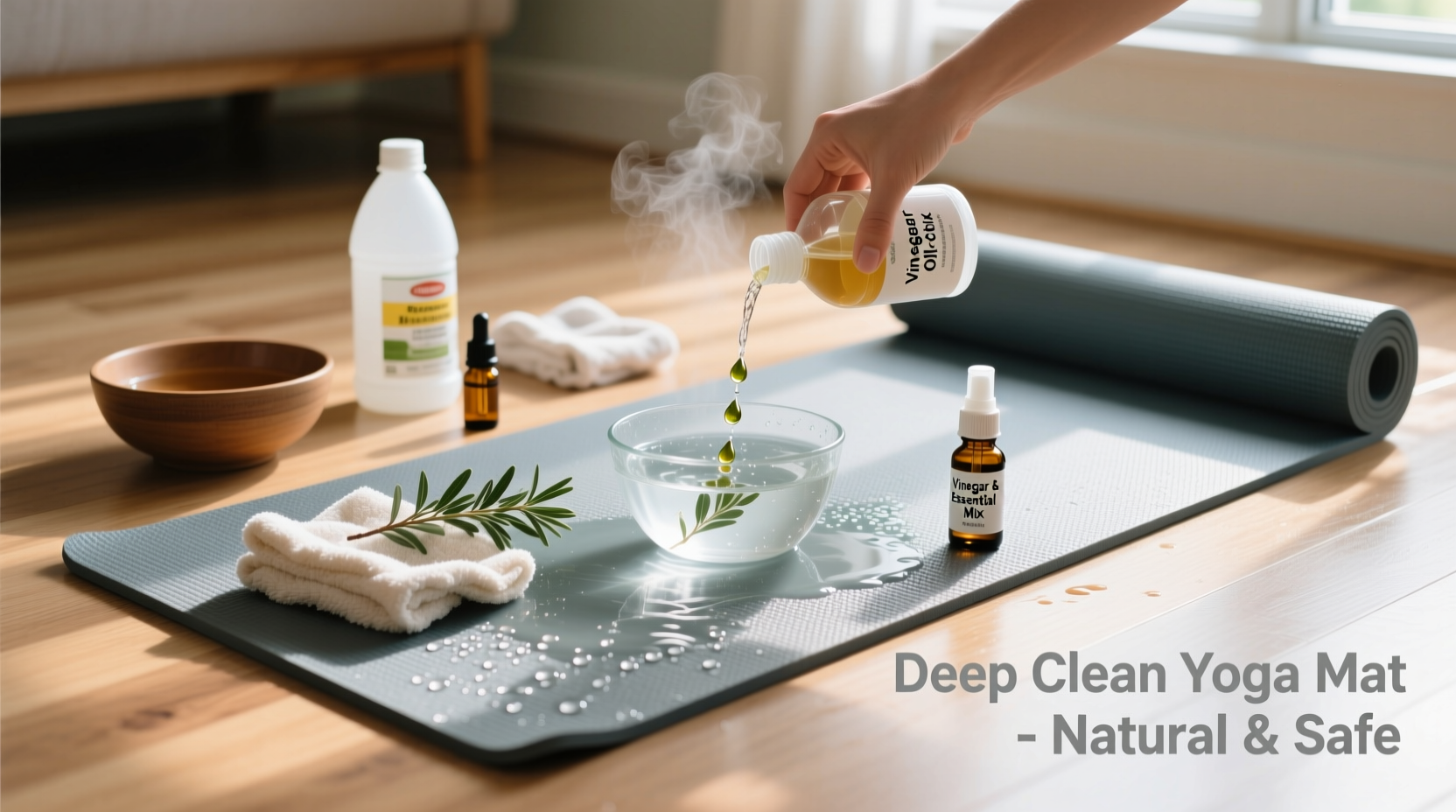
Vinegar has been used as a natural disinfectant for centuries. Its active ingredient, acetic acid, disrupts the cell membranes of bacteria and viruses, effectively neutralizing common pathogens like E. coli and Staphylococcus. It’s particularly useful on porous surfaces such as yoga mats, where moisture and organic matter can linger.
Essential oils enhance the cleaning power while adding a pleasant scent and additional antimicrobial properties. For example:
- Tea tree oil – proven antifungal and antibacterial qualities.
- Lavender oil – soothes odors and calms the senses.
- Eucalyptus oil – offers a fresh aroma and strong germ-fighting action.
Together, vinegar and essential oils create a balanced, potent formula that sanitizes without damaging natural rubber, TPE, or PVC-based mats when used correctly.
“Natural solutions like vinegar and tea tree oil are excellent for routine deep cleaning. They reduce microbial load significantly without introducing synthetic residues.” — Dr. Lena Torres, Microbiologist & Wellness Advocate
Step-by-Step Guide to Deep Cleaning Your Yoga Mat
Cleaning your yoga mat thoroughly doesn’t require special equipment or expensive products. With just a few household items, you can restore your mat’s freshness and performance.
- Gather Supplies
- White distilled vinegar
- Water (preferably filtered or distilled)
- Essential oils (tea tree, lavender, or eucalyptus)
- Spray bottle (glass preferred, 16 oz)
- Soft microfiber cloth or sponge
- Towel or drying rack
- Prepare the Cleaning Solution
Mix the following in your spray bottle:
- 1 cup white vinegar
- 1 cup water
- 10–15 drops of essential oil (e.g., 7 drops tea tree + 8 drops lavender)
Shake gently before each use. Avoid using metal spray bottles, as vinegar may corrode them over time.
- Remove Loose Debris
Lay your mat flat on a clean surface. Use a dry microfiber cloth to wipe off dust, hair, or loose particles. If there are visible stains or buildup, gently scrub with a soft brush or sponge dampened with plain water.
- Spray and Wipe Down the Mat
Spray the solution evenly across one side of the mat. Don’t oversaturate—just enough to dampen the surface. Using a clean cloth, wipe in circular motions to lift grime. Pay extra attention to high-contact areas: hands, feet, and knees.
- Clean the Reverse Side
Flip the mat and repeat the spraying and wiping process. Many people forget this side, but it collects dirt from the floor and can harbor mold in humid conditions.
- Rinse (Optional but Recommended)
If your mat is made of natural rubber or is highly absorbent, rinsing helps remove residual vinegar, which can degrade material over time if left unattended. Dampen a clean cloth with plain water and wipe down both sides thoroughly.
- Dry Completely Before Storing
Hang the mat over a railing, shower rod, or drying rack in a well-ventilated area away from direct sunlight. Avoid folding or rolling it until completely dry—this prevents creases and mildew. Drying typically takes 4–8 hours depending on humidity.
Do’s and Don’ts When Cleaning Yoga Mats
| Do’s | Don’ts |
|---|---|
| Use diluted vinegar (never full strength) | Soak the mat for extended periods |
| Add essential oils with antimicrobial properties | Use bleach or ammonia-based cleaners |
| Hang to dry in indirect sunlight | Leave the mat damp or roll it up wet |
| Clean every 4–6 weeks for regular users | Use abrasive scrubbers or steel wool |
| Spot test new solutions on a small area first | Store the mat in a plastic bag after cleaning |
Real Example: How Sarah Restored Her Sticky, Smelly Mat
Sarah, a Vinyasa instructor in Portland, noticed her once-grippy natural rubber mat had become slippery and emitted a sour odor after months of twice-daily classes. She avoided commercial sprays due to skin sensitivities and was considering replacement—until she tried the vinegar and essential oil method.
She mixed equal parts vinegar and water with 10 drops each of tea tree and eucalyptus oil. After spraying and wiping both sides, she rinsed lightly and hung the mat outdoors (under shade) for six hours. The result? A mat that looked visibly cleaner, smelled fresh, and regained its grip. “It felt like a new mat,” she said. “And I saved $70 by not buying a replacement.”
Sarah now deep cleans her mat monthly and keeps a smaller spray bottle with half-strength solution for post-practice refreshes.
How Often Should You Deep Clean?
The frequency depends on usage, environment, and material:
- Beginners (1–2 sessions/week): Every 6–8 weeks
- Regular practitioners (3–5 sessions/week): Every 4 weeks
- Hot yoga or intense sweating: Every 2–3 weeks
- Shared mats or studio use: Biweekly, with daily surface wipes
A sign it’s time to clean? Your mat feels slippery despite being dry, smells musty, or shows visible discoloration. Regular maintenance extends the life of even high-end mats by years.
Best Essential Oils for Yoga Mat Cleaning
Not all essential oils are created equal when it comes to cleaning. Some offer superior antimicrobial effects, while others add calming aromas. Here’s a breakdown of top choices:
- Tea Tree (Melaleuca alternifolia) – One of the most studied essential oils for disinfection. Effective against bacteria, fungi, and viruses. Ideal for sweaty or shared mats.
- Lavender (Lavandula angustifolia) – Mildly antimicrobial with stress-reducing fragrance. Great for evening practices or sensitive users.
- Eucalyptus (Eucalyptus globulus) – Clears odors and supports respiratory wellness. Works well in humid climates.
- Lemon or Orange (Citrus limon/orange) – Natural degreasers with uplifting scents. Use cautiously—citrus oils can be phototoxic and may degrade rubber faster. Limit to 5–7 drops per batch.
A blend of tea tree and lavender provides both efficacy and balance—ideal for weekly or biweekly cleaning.
Frequently Asked Questions
Can vinegar damage my yoga mat?
When diluted properly (50% vinegar, 50% water), vinegar is safe for most yoga mats, including natural rubber, TPE, and PVC. However, avoid prolonged soaking or undiluted use, especially on natural rubber, as excessive acidity may cause brittleness over time. Always rinse if concerned, and never use on cork or fabric-top mats unless manufacturer-approved.
Is it safe to use essential oils if I have sensitive skin?
Yes, but with caution. Essential oils are highly concentrated. In the dilution described (10–15 drops per 2 cups of liquid), they pose minimal risk once dried. However, if you experience redness or irritation, switch to fragrance-free cleaning (vinegar and water only) or do a patch test first. Lavender and chamomile are generally gentler than citrus or spice oils.
Can I use this method for foam exercise mats?
Exercise foam mats (like puzzle-style gym mats) are more porous and often made of EVA foam, which can absorb liquids and trap odors. While vinegar helps disinfect, these mats shouldn’t be soaked. Instead, spot-clean with a cloth and allow ample ventilation. Consider replacing them every 1–2 years if heavily used.
Checklist: Deep Clean Your Yoga Mat in 7 Steps
- ✅ Gather supplies: vinegar, water, essential oils, spray bottle, cloth
- ✅ Mix 1:1 vinegar and water with 10–15 drops essential oil
- ✅ Shake solution and test on a small mat area
- ✅ Wipe down entire top surface with sprayed cloth
- ✅ Flip and clean the underside thoroughly
- ✅ Rinse with water-dampened cloth (optional)
- ✅ Hang to dry completely before storing
Final Thoughts
Your yoga mat is an extension of your practice—a personal space where movement, breath, and mindfulness converge. Keeping it clean isn’t just about hygiene; it’s a form of respect for your body and your journey. The combination of vinegar and essential oils offers a simple, sustainable way to maintain cleanliness without compromising health or sustainability.
This method costs pennies per use, avoids plastic waste from commercial sprays, and aligns with a holistic lifestyle. Whether you’re a beginner or a seasoned yogi, integrating deep cleaning into your routine ensures your mat remains supportive, sanitary, and ready for every session.




 浙公网安备
33010002000092号
浙公网安备
33010002000092号 浙B2-20120091-4
Comments
No comments yet. Why don't you start the discussion?