
Silicone phone cases are popular for their flexibility, shock absorption, and affordability. However, over time, they accumulate dirt, oils, sweat, and bacteria—especially along the edges and corners. Unlike rigid plastic or metal cases, silicone is porous and sensitive to heat and harsh chemicals, making improper cleaning a fast track to yellowing, cracking, or warping. Many users unknowingly damage their cases while trying to clean them, using boiling water, bleach, or abrasive scrubbing tools. The good news: with the right approach, you can deep clean your silicone case effectively while preserving its color, texture, and structural integrity. This guide covers safe, science-backed methods, common mistakes to avoid, and long-term care strategies that keep your case looking like new.
Why Silicone Cases Degrade Over Time
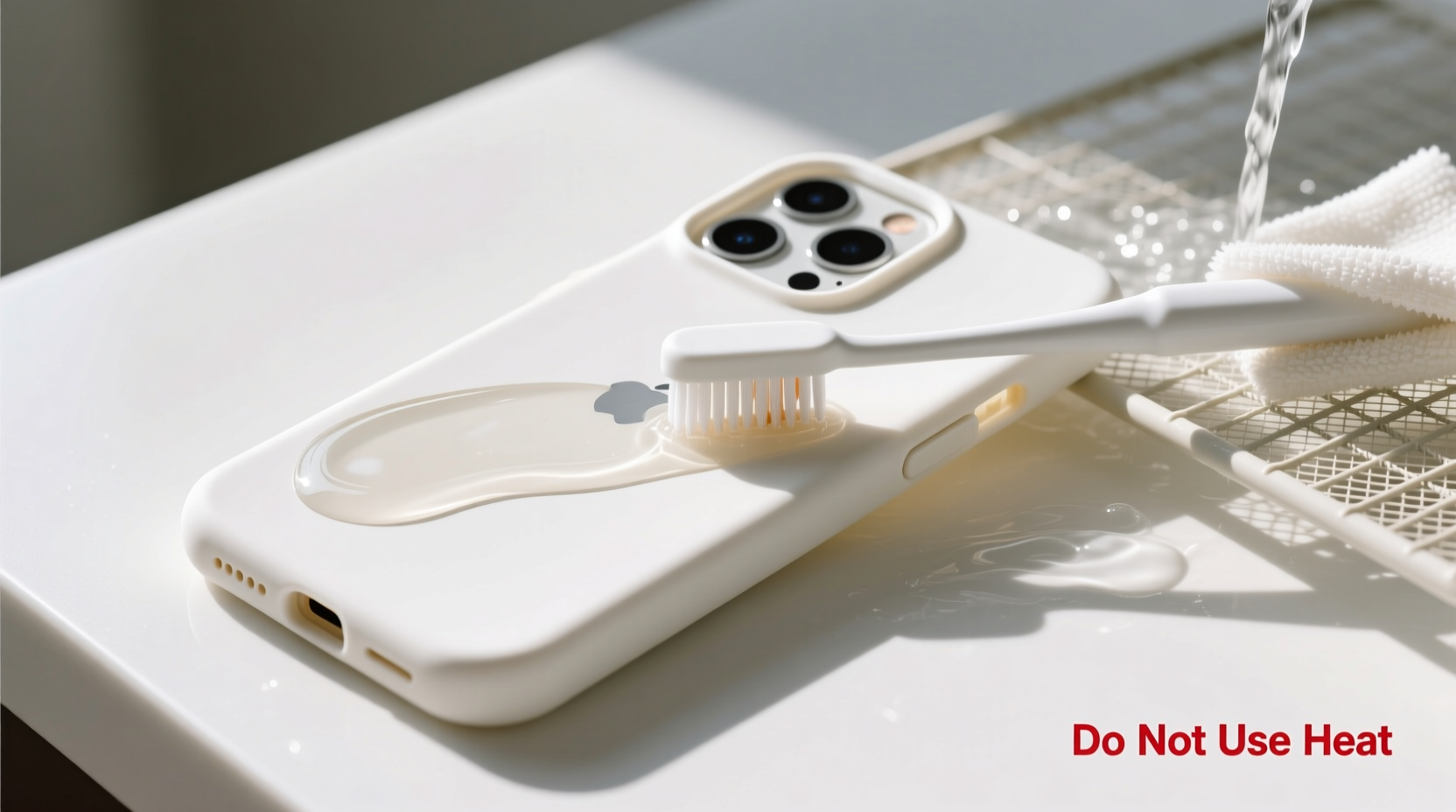
Silicone is a synthetic polymer known for its durability and resistance to temperature extremes. But consumer-grade phone cases often use lower-cost silicone blends that include plasticizers and fillers to reduce production costs. These additives make the material more prone to oxidation when exposed to UV light, skin oils, and environmental pollutants. Discoloration—usually a yellow or brown tint—is typically caused by:
- Oxidation from prolonged exposure to sunlight or artificial light
- Contact with hand lotions, sunscreen, or makeup residue
- Poor ventilation when stored in pockets or bags
- Accumulation of microbial growth in crevices
Warping, on the other hand, occurs when silicone is exposed to high temperatures. Common culprits include leaving the phone in a hot car, placing it near radiators, or using dishwashers or boiling water during cleaning. Heat breaks down the polymer chains, causing the material to soften, stretch, or lose its original shape.
“Silicone isn’t indestructible. While it resists many chemicals, repeated exposure to heat and aggressive solvents degrades its surface at a molecular level.” — Dr. Lena Patel, Materials Scientist at GreenTech Polymers
Safe Deep Cleaning Methods That Preserve Integrity
Cleaning a silicone phone case doesn’t require extreme measures. Gentle yet thorough techniques remove grime without compromising the material. Below are three proven methods suitable for regular deep cleaning.
Method 1: Mild Soap and Lukewarm Water (Best for Weekly Maintenance)
This is the safest and most effective method for routine cleaning. It removes surface oils and dust without stressing the material.
- Remove the case from your phone.
- Rinse under lukewarm (not hot) water to loosen debris.
- Apply a drop of mild liquid dish soap to a soft-bristled toothbrush.
- Gently scrub all surfaces, especially corners and button areas.
- Rinse thoroughly until no soap residue remains.
- Pat dry with a microfiber cloth and air-dry completely before reattaching.
Method 2: Baking Soda Paste (For Stubborn Stains and Odors)
Baking soda is mildly abrasive and naturally deodorizing, making it ideal for lifting embedded dirt and neutralizing smells without bleaching or chemical reactions.
- Mix one tablespoon of baking soda with enough water to form a thick paste.
- Apply the paste with a damp cloth or soft brush.
- Focus on discolored areas, rubbing in small circular motions.
- Let sit for 3–5 minutes (do not allow to dry).
- Rinse under lukewarm water until all residue is gone.
- Dry flat on a clean towel, away from direct sunlight.
This method is particularly effective for white or clear silicone cases that have started to yellow due to oil buildup.
Method 3: Isopropyl Alcohol Wipe (For Sanitization)
If germ removal is the priority—such as after being ill or traveling—70% isopropyl alcohol provides disinfection without damaging silicone when used correctly.
- Dampen a lint-free cloth with 70% isopropyl alcohol (do not soak).
- Wipe both interior and exterior surfaces of the case.
- Pay special attention to the inner rim where the phone contacts the case.
- Allow to air-dry for at least 10 minutes before reuse.
Note: Avoid 90%+ alcohol concentrations, as they can dry out the silicone over time. Limit alcohol use to once every few weeks.
Do’s and Don’ts of Silicone Case Care
To maintain appearance and function, follow this simple reference table outlining best practices and common errors.
| Do’s | Don’ts |
|---|---|
| Use lukewarm water and gentle soap | Use boiling water or steam |
| Clean every 1–2 weeks for hygiene | Leave the case unwashed for months |
| Dry flat in a shaded, ventilated area | Place near heaters or in direct sunlight |
| Use soft brushes or cloths for scrubbing | Scrub with steel wool or abrasive pads |
| Sanitize occasionally with 70% alcohol | Soak in bleach or ammonia-based cleaners |
| Rotate between multiple cases to extend lifespan | Use damaged or cracked cases long-term |
Real Example: How One User Reversed Yellowing Without Bleach
Mark, a graphic designer from Portland, noticed his transparent silicone case turning yellow after just two months. He initially tried wiping it with hydrogen peroxide, which only worsened the discoloration. After reading about oxidation risks, he switched to a gentler approach:
- He cleaned the case weekly using Method 1 (soap and water).
- Once a month, he applied the baking soda paste to problem areas.
- He stopped storing his phone on a sunny windowsill and began using a second case to rotate usage.
Within six weeks, the yellow tint faded significantly, and the case regained much of its clarity. Mark now keeps both cases in a drawer when not in use and avoids applying hand sanitizer directly on his phone. His experience shows that consistent, low-impact care yields better long-term results than aggressive cleaning attempts.
Step-by-Step Monthly Deep Cleaning Routine
For optimal hygiene and longevity, follow this monthly deep cleaning checklist:
- Remove the case – Take it off your phone carefully to avoid stress on the ports.
- Inspect for damage – Check for tears, stickiness, or permanent stains. Replace if compromised.
- Dust removal – Use a dry microfiber cloth to wipe loose particles.
- Soap wash – Clean with mild detergent and lukewarm water using a soft brush.
- Tackle stains – Apply baking soda paste to discolored zones and gently scrub.
- Rinse thoroughly – Ensure no cleaning residue remains inside or out.
- Sanitize (optional) – Wipe with 70% isopropyl alcohol for germ control.
- Air-dry completely – Lay flat on a clean towel for 2–3 hours, flipping once.
- Reattach only when dry – Moisture trapped under the case can damage your phone.
“Preventive maintenance beats restoration. A case cleaned regularly rarely needs intensive treatment.” — Carlos Mendez, Mobile Device Technician
Frequently Asked Questions
Can I use vinegar to clean my silicone phone case?
White vinegar is acidic and can degrade silicone over time, especially with repeated use. While occasional diluted vinegar rinses may help with odor, they’re not recommended for frequent cleaning. Stick to pH-neutral soaps instead.
Why does my clear silicone case turn yellow so fast?
Yellowing is usually due to a combination of UV exposure, contact with oils from your skin, and airborne pollutants. Clear silicone lacks UV stabilizers found in higher-end materials, making it more vulnerable. Regular cleaning and avoiding direct sunlight can slow the process.
How often should I replace my silicone case?
With proper care, a silicone case can last 6–12 months. Signs it’s time to replace include persistent stickiness, visible cracks, loss of elasticity, or inability to snap securely onto the phone. Even if it looks fine, consider replacing it annually for hygiene reasons.
Conclusion: Small Habits, Lasting Results
Deep cleaning a silicone phone case doesn’t require special products or extreme measures. The key is consistency, gentle handling, and avoiding heat and harsh chemicals. By adopting a simple monthly routine and understanding how silicone reacts to its environment, you can prevent discoloration and warping while keeping your device protected and hygienic. Whether you use a clear case to show off your phone’s design or a colored one for grip and style, proper care ensures it stays functional and attractive longer. Start today—your phone, and your future self, will thank you.




 浙公网安备
33010002000092号
浙公网安备
33010002000092号 浙B2-20120091-4
Comments
No comments yet. Why don't you start the discussion?