
A blender is one of the hardest-working appliances in any kitchen. Whether you're making morning smoothies, blending soups, or crushing ice for cocktails, residue builds up over time—inside the jar, around the blade assembly, and even on the base. Without proper care, your blender can harbor bacteria, develop odors, and lose efficiency. A deep clean isn’t just about appearance; it’s essential for hygiene, longevity, and consistent performance. With the right tools and a systematic approach, you can restore your blender to near-original condition—inside and out.
The Hidden Problem: Why Blenders Get Dirtier Than You Think
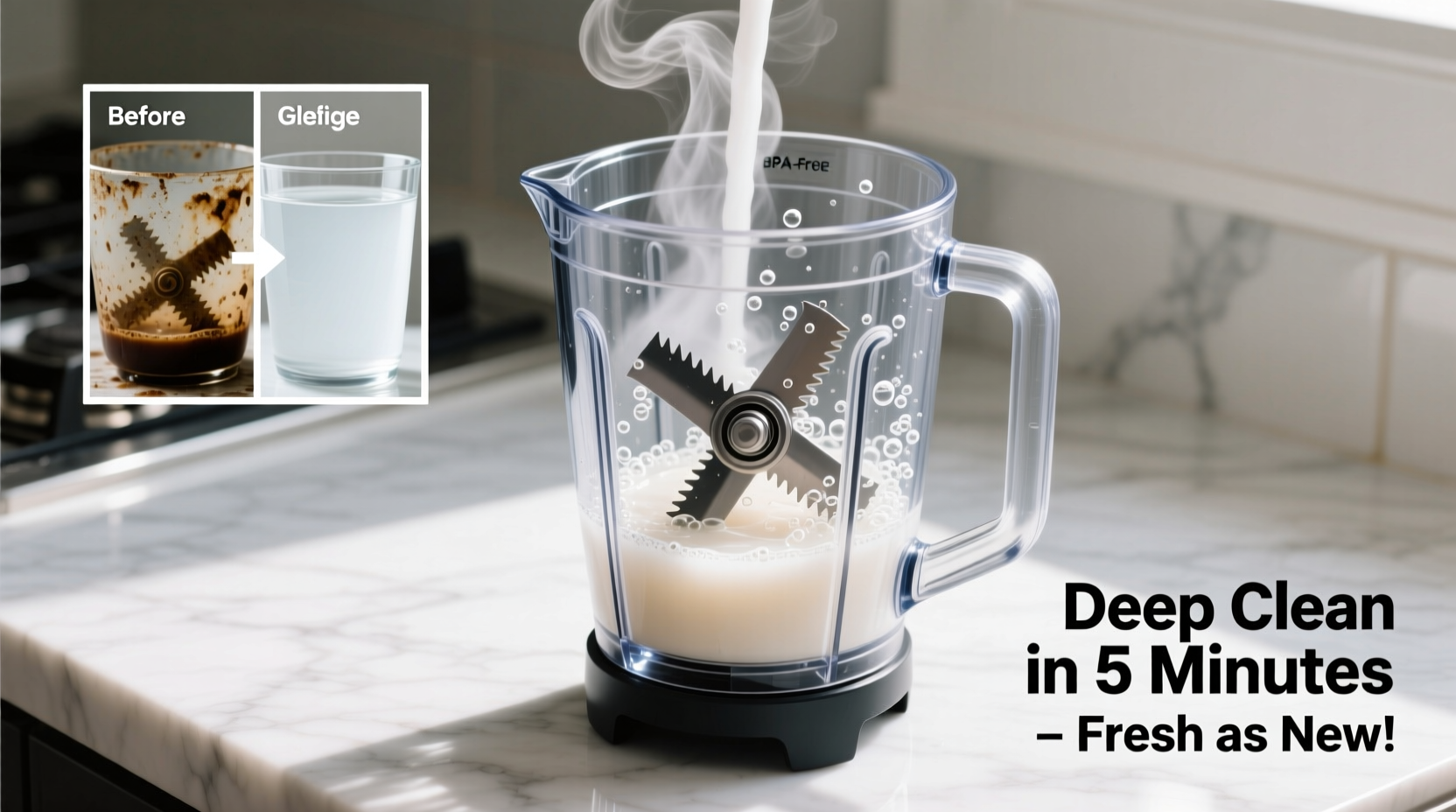
Most people rinse their blender after use, assuming that’s enough. But microscopic food particles cling to the crevices beneath the blade gasket, where moisture gets trapped. This creates an ideal environment for mold, mildew, and lingering smells. Over time, these residues harden and discolor, especially if you frequently blend pigmented ingredients like turmeric, berries, or spinach.
The rubber or silicone gasket sealing the blade assembly is often overlooked. It's designed to prevent leaks, but its tight folds trap liquids and solids. If not disassembled and cleaned regularly, this area becomes a breeding ground for bacteria. Even high-speed blends don't eliminate this buildup—they can actually force particles deeper into hidden spaces.
“Many customers bring in blenders they believe are malfunctioning, only to find the issue was severe internal grime affecting motor load and blade rotation.” — Derek Langston, Appliance Repair Technician with 14 years of experience
Step-by-Step Guide: Deep Cleaning Your Blender from Top to Bottom
A thorough deep clean involves more than just running water through the jar. Follow this detailed process to ensure every part of your blender is sanitized and restored.
Step 1: Unplug and Disassemble Completely
Safety first. Always unplug your blender before cleaning. Remove the pitcher from the base. Flip it upside down and unscrew the blade assembly from the bottom. Carefully detach the rubber or silicone gasket and, if applicable, the metal washer or locking ring. These small parts are critical to hygiene but easy to miss during routine rinses.
Step 2: Soak the Blade Assembly and Gasket
Fill a bowl with warm water and add one tablespoon of baking soda and a few drops of dish soap. Submerge the blade unit, gasket, and any washers. Let them soak for at least 20 minutes. For stubborn stains or odors, extend soaking to 45 minutes. Baking soda gently lifts residue without damaging metal or rubber.
Step 3: Clean the Blender Jar Interior
Rinse the jar thoroughly under warm water. Then, prepare a cleaning blend: fill the jar halfway with warm water, add one tablespoon of white vinegar and one teaspoon of dish soap. Secure the lid (without the blade assembly) and run the blender on medium speed for 30 seconds. This agitates grime from the walls and base.
After blending, pour out the solution and scrub the interior with a soft bottle brush or non-abrasive sponge. Focus on the lower inch near the center post—this is where most buildup occurs.
Step 4: Sanitize the Blade Base and Gasket
After soaking, use an old toothbrush to scrub around the blade edges, threads, and underneath the gasket. Pay special attention to the underside of the rubber seal—use circular motions to dislodge trapped particles. Rinse each piece under running water until no suds remain.
To disinfect, dip the toothbrush in a solution of one part white vinegar to three parts water and give everything a final pass. Avoid steel wool or abrasive pads—they can scratch surfaces and create new places for grime to hide.
Step 5: Wipe Down the Exterior and Base
Dampen a microfiber cloth with a mixture of equal parts water and white vinegar. Wipe the outside of the blender jar, lid, and spout cover. For the motor base, never submerge it. Instead, wipe carefully around control buttons, seams, and the top surface. Use a cotton swab dipped in vinegar solution to clean crevices and vents.
If your base has sticky spots from spills, apply a drop of dish soap to the cloth and gently rub. Immediately follow with a damp, clean cloth to remove soap residue.
Step 6: Reassemble and Deodorize
Once all parts are dry—air-dry completely on a rack or towel—reassemble the blade unit and screw it back onto the jar. To eliminate any remaining odors, blend one cup of water with two tablespoons of baking soda and a squeeze of lemon juice for 20 seconds. Discard the mixture and rinse once more.
Your blender should now look and smell fresh, with no cloudiness, staining, or musty scent.
Do’s and Don’ts: Maintaining Your Blender Long-Term
| Action | Do | Don’t |
|---|---|---|
| Cleaning Frequency | Rinse immediately after use; deep clean monthly | Let dried residue sit for days |
| Blade Handling | Use a brush to clean around sharp edges | Place hands directly under blades |
| Gasket Care | Remove and clean every deep clean | Assume it’s “self-cleaning” |
| Liquid Additives | Use vinegar, baking soda, lemon | Use bleach or ammonia-based cleaners |
| Drying | Air-dry all parts before storage | Reassemble while still damp |
Real Example: From Stained to Spotless in One Afternoon
Jamie, a busy parent of two in Portland, used her high-powered blender daily for smoothies and pureed baby food. After six months, she noticed a persistent sour smell and a faint pink tint in the blending jar—likely from old berry residue. She tried rinsing and basic washing, but the odor remained.
She followed the deep cleaning steps outlined here: disassembling the blade, soaking the gasket, and using the vinegar-baking soda blend cycle. After scrubbing with a bottle brush, she was shocked at the gray gunk that came off the underside of the seal. Once reassembled, she ran the deodorizing blend and was amazed at the difference. The jar looked crystal clear again, and the smell vanished completely. Now, she schedules a full clean every four weeks and keeps a small brush by the sink for quick maintenance.
Checklist: Monthly Blender Deep Clean Routine
- ✅ Unplug the blender and remove the pitcher
- ✅ Unscrew and detach blade assembly and gasket
- ✅ Soak blade, gasket, and washer in warm, soapy water with baking soda (20–45 min)
- ✅ Blend warm water + vinegar + dish soap (30 sec), then rinse
- ✅ Scrub jar interior with bottle brush, focusing on the base
- ✅ Use toothbrush to clean blade threads and gasket folds
- ✅ Wipe motor base with vinegar-dampened cloth (no submersion)
- ✅ Air-dry all components completely
- ✅ Reassemble and run deodorizing blend (baking soda + lemon + water)
- ✅ Store with lid off or cracked for ventilation
FAQ: Common Blender Cleaning Questions Answered
Can I put my blender jar in the dishwasher?
Many modern blender jars and lids are dishwasher-safe, but always check the manufacturer’s instructions. The blade assembly and gasket are often hand-wash only due to sharp edges and rubber components that may degrade in high heat. If you do use the dishwasher, place the jar upright on the top rack and avoid crowding so water circulates freely.
Why does my blender still smell after cleaning?
Residual odor usually means the gasket or blade housing wasn’t fully removed or cleaned. Mold and bacteria thrive in moist, dark spaces. Ensure you disassemble the entire base unit and let all parts dry completely before reassembly. Running a blend of lemon juice and baking soda once a week can help prevent recurring smells.
How can I remove tough stains from green smoothies or turmeric?
For stubborn discoloration, create a paste of baking soda and water. Apply it directly to stained areas inside the jar and let it sit for 15 minutes before scrubbing with a soft brush. Alternatively, blend one cup of water with a tablespoon of hydrogen peroxide (3%) and a teaspoon of baking soda for two minutes. Rinse thoroughly afterward. Avoid bleach, which can degrade plastic over time.
Expert Insight: What Manufacturers Recommend
Major blender brands like Vitamix, Ninja, and Blendtec emphasize regular disassembly in their care guides. According to official documentation from Vitamix:
“To maintain optimal performance and hygiene, users should remove the blade assembly and clean the container, blade, and gasket weekly for frequent use. Buildup under the blade can affect torque and lead to premature wear.” — Vitamix Customer Support Guidelines
This aligns with technician observations: blenders brought in for repair often show excessive internal grime as a contributing factor to reduced efficiency or motor strain.
Conclusion: A Clean Blender Is a High-Performing Blender
Deep cleaning your blender isn’t just a cosmetic upgrade—it’s a functional necessity. A well-maintained machine blends more efficiently, lasts longer, and keeps your food safe from bacterial contamination. By incorporating a monthly deep clean into your kitchen routine, you preserve both the appearance and performance of your appliance. The process takes less than 30 minutes and requires only common household items. No special products, no harsh chemicals—just smart, consistent care.
Don’t wait until your blender starts smelling or underperforming. Take action today. Disassemble, soak, scrub, and restore. When you see that jar sparkle like it did on day one, you’ll understand the value of a little preventive effort. Your next smoothie will taste fresher, your appliance will run smoother, and you’ll gain peace of mind knowing every sip is clean.




 浙公网安备
33010002000092号
浙公网安备
33010002000092号 浙B2-20120091-4
Comments
No comments yet. Why don't you start the discussion?