
Cat urine odor is one of the most persistent and socially disruptive household problems pet owners face. Unlike surface spills, cat urine often seeps deep into carpets, padding, subfloors, and even walls, making it difficult to fully eliminate. The ammonia-like smell doesn't just linger—it can return weeks or months later if not properly treated. More than a nuisance, lingering urine can encourage cats to re-mark territory, creating a vicious cycle. Addressing this issue requires more than masking the scent; it demands precise detection and biological neutralization. This guide provides actionable, science-backed strategies to locate and destroy the source of hidden cat urine for good.
Why Cat Urine Smell Is So Persistent
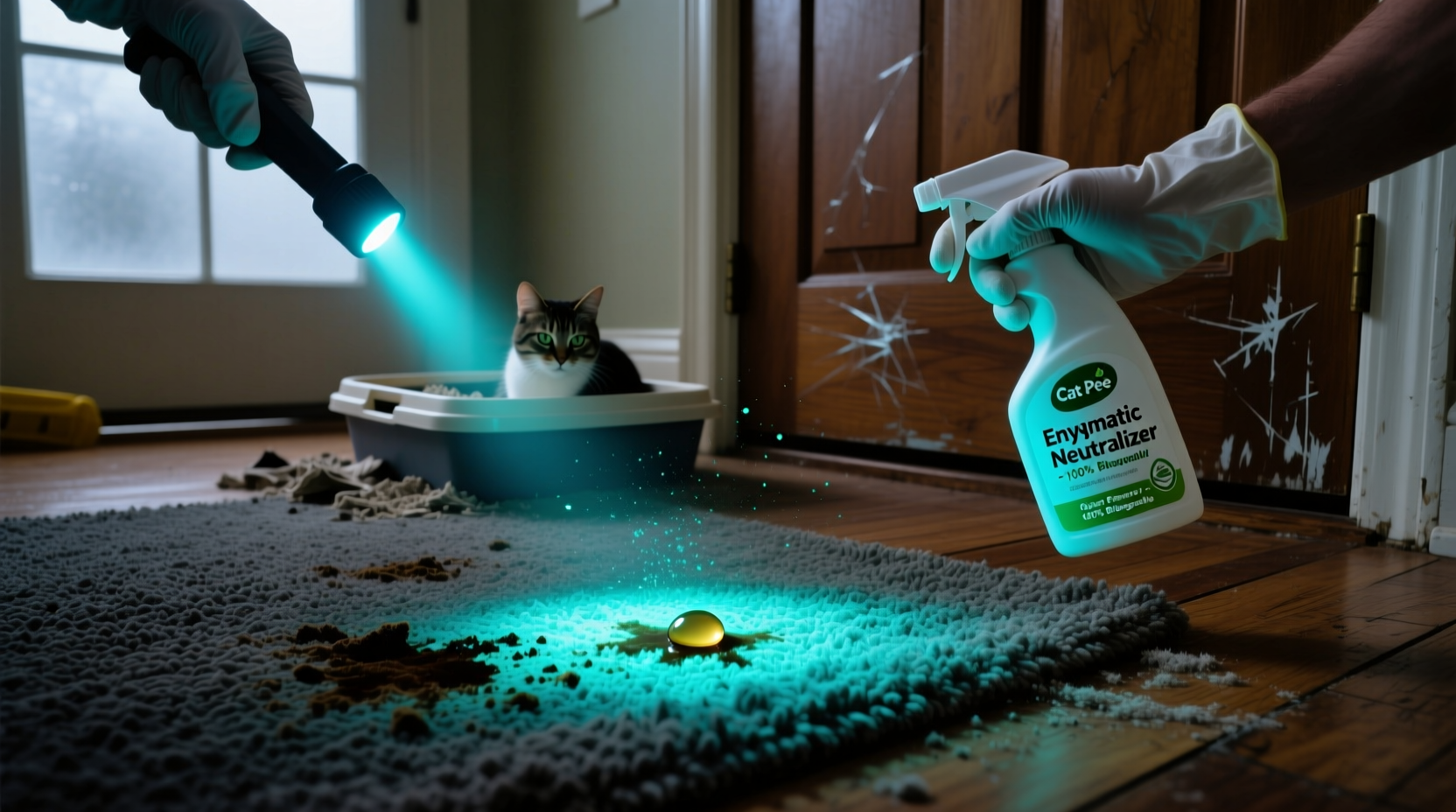
Cat urine contains urea, urobilin, hormones, and pheromones designed to communicate territorial claims. When left untreated, bacteria break down urea into ammonia, intensifying the odor over time. As urine penetrates porous materials like carpet fibers, padding, drywall, or wood, it becomes a breeding ground for microbial activity that continuously regenerates the smell. Standard cleaners may remove surface stains but fail to reach deeply embedded compounds. Only treatments that break down uric acid crystals at a molecular level—such as enzymatic cleaners—can effectively neutralize the odor long-term.
“Urine isn’t just a stain—it’s a biofilm. You need enzymes to digest the organic matter, not just cover it up.” — Dr. Lena Peterson, Veterinary Behaviorist
Step-by-Step Guide to Detect Hidden Cat Pee
Before you clean, you must find every trace. Some spots are obvious; others are invisible until they worsen. Follow this methodical approach:
- Follow your nose (but don’t rely on it): Ammonia odors become stronger in warm, humid conditions. Check near litter boxes, baseboards, furniture legs, and corners where cats feel secluded.
- Inspect suspect areas visually: Look for discoloration, dampness, or matted carpet fibers. Older stains may appear yellowish or darker than surrounding material.
- Use a blacklight (UV flashlight): In a dark room, scan floors, walls, and upholstery with a UV light. Fresh urine glows pale yellow-green; older residues may appear duller but still visible. Mark glowing spots with painter’s tape.
- Test with moisture meters: For suspected subfloor contamination, use a handheld moisture meter. Elevated readings under carpets may indicate soaked padding or wood.
- Confirm with pH test strips: Dampen a white cloth with distilled water, press onto the area, then apply a urine pH strip. Cat urine typically ranges from 6.0 to 6.5 (slightly acidic).
Effective Methods to Neutralize Cat Urine Odor
Detection is only half the battle. Once located, urine must be broken down biologically. Here are the most effective treatment methods, ranked by success rate:
| Method | How It Works | Best For | Limitations |
|---|---|---|---|
| Enzymatic Cleaners | Contain live bacteria and enzymes (protease, urease) that digest uric acid | Carpets, padding, fabrics, grout | Requires 24–72 hours dwell time; ineffective on sealed surfaces |
| Vinegar & Baking Soda | Acid-base reaction neutralizes ammonia; temporary odor control | Hard surfaces, laundry | Does not destroy uric acid crystals; may set stains in wool |
| Hydrogen Peroxide (3%) + Dish Soap | Oxidizes organic matter; breaks down odor-causing compounds | Non-porous surfaces, tile, concrete | Bleaching effect; avoid on dark fabrics |
| Steam Cleaning with Enzyme Solution | Heat opens pores while enzymes penetrate deep layers | Large carpet areas, pet bedding | Not suitable for electronics or delicate materials |
| Ozone Generator | Ozone molecules bind to odor particles, altering their chemical structure | Airborne odors, whole-room treatment | Must vacate room; unsafe for pets and plants |
Application Protocol for Enzymatic Cleaners (Most Effective)
- Blot excess moisture with paper towels or a wet-dry vacuum.
- Pour enzymatic cleaner generously—enough to reach padding beneath carpet.
- Cover area with plastic sheeting to prevent evaporation and extend contact time.
- Wait 24–48 hours before walking on or replacing furniture.
- Repeat if odor persists after drying.
Real Example: Eliminating Lingering Odor After Replacing Carpet
A homeowner replaced her living room carpet due to persistent cat urine smell. Within three weeks, the odor returned despite new installation. A professional inspection revealed that previous cleanup had missed saturation in the plywood subfloor. Using a moisture meter and UV light, technicians identified a 2-foot patch beneath the carpet pad emitting high humidity and fluorescence. They drilled small holes in the subfloor, injected an industrial-grade enzyme solution, and allowed 72 hours for digestion. After sealing with a moisture barrier, the new carpet remained odor-free for over a year. This case underscores that surface fixes fail when sub-surface contamination remains active.
Do’s and Don’ts of Cat Urine Cleanup
- Do act quickly—fresh urine is easier to remove.
- Do use products labeled specifically for pet urine with live enzymes.
- Do ventilate the area during and after treatment.
- Don’t use steam cleaners alone without enzyme additives—they can spread residue deeper.
- Don’t rely on air fresheners or candles—they mask smells but don’t eliminate causes.
- Don’t scrub aggressively—it spreads urine and damages fibers.
Prevention Checklist: Stop Future Accidents
Eliminating odor is temporary unless the root cause is addressed. Use this checklist to reduce recurrence:
- ✅ Provide one litter box per cat, plus one extra, placed in quiet, accessible locations.
- ✅ Scoop daily and change litter completely every 7–10 days.
- ✅ Ensure boxes are large enough—cats should turn around comfortably.
- ✅ Rule out medical issues with a vet visit if inappropriate urination is sudden.
- ✅ Reduce stress with environmental enrichment: scratching posts, window perches, playtime.
- ✅ Use feline pheromone diffusers (e.g., Feliway) in high-traffic or conflict zones.
Frequently Asked Questions
Can I use regular carpet shampoo to remove cat urine?
No. Most carpet shampoos contain surfactants that lift dirt but do not break down uric acid. Without enzymatic action, the odor will resurface once moisture returns. Always pre-treat with an enzyme product before shampooing.
How long does it take for enzymatic cleaners to work?
Most require 24 to 72 hours of uninterrupted contact time. Faster results occur in warm environments (70–80°F). Avoid foot traffic or covering the area during this period.
Will ozone generators remove cat urine smell permanently?
Ozone treats airborne particles and surface-level odors but cannot penetrate flooring or absorbent materials. It should be used as a secondary step after enzymatic treatment, never as a standalone solution.
Conclusion: Take Control of Your Home Environment
Hidden cat urine doesn’t have to be a permanent problem. With careful detection using UV light and moisture analysis, followed by targeted enzymatic treatment, even long-standing odors can be eradicated. Success depends not on strength of cleaner, but on thoroughness of application and understanding of the biology behind the smell. Prevention through proper litter management and stress reduction ensures your home stays fresh and welcoming—for both humans and cats alike.




 浙公网安备
33010002000092号
浙公网安备
33010002000092号 浙B2-20120091-4
Comments
No comments yet. Why don't you start the discussion?