
Returning from a trip can be exciting—until you notice unexplained bites or spots on your sheets. Bed bugs are stealthy hitchhikers, often entering homes through luggage, clothing, or secondhand furniture. Unlike many pests, they don’t indicate poor hygiene but thrive in cluttered and high-traffic areas. Early detection is crucial. Once established, an infestation becomes exponentially harder and costlier to eliminate. Recognizing the warning signs and acting swiftly can save your home, health, and peace of mind.
Common Signs of Bed Bug Infestation
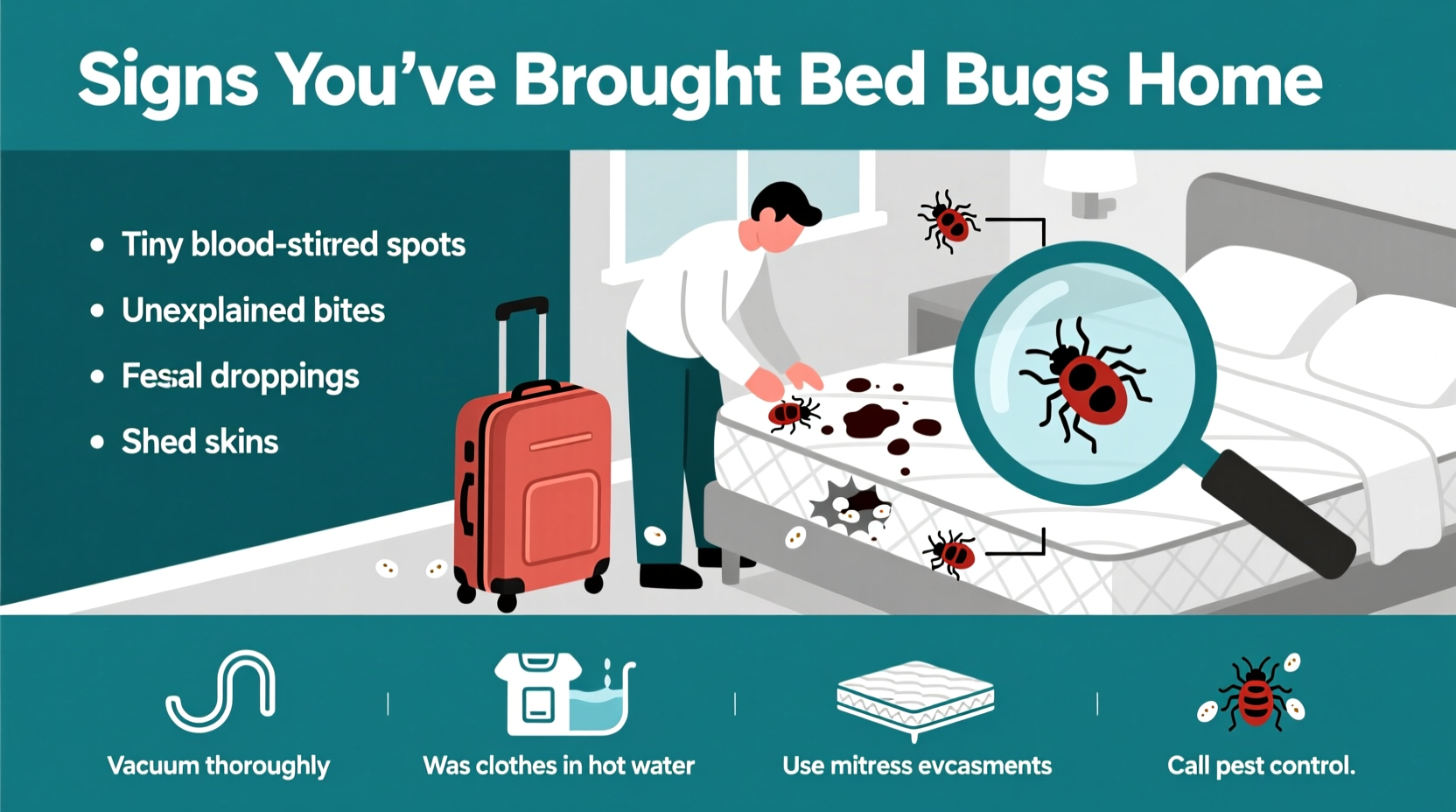
Bed bugs are elusive and primarily active at night, making them difficult to spot. However, they leave behind telltale evidence that, when caught early, can prevent widespread colonization.
- Bites on skin: Red, itchy welts, often appearing in lines or clusters, typically on exposed areas like arms, neck, or shoulders. Reactions vary; some people show no symptoms.
- Fecal spots: Tiny black or rust-colored stains on mattresses, box springs, or nearby walls. These are digested blood remnants excreted by bed bugs.
- Shed skins: As bed bugs grow, they molt five times, leaving behind translucent exoskeletons near hiding spots.
- Eggs and eggshells: Pinpoint-sized, pearl-white specks often found in crevices or fabric folds.
- Live bugs: Adult bed bugs are about the size of an apple seed, reddish-brown, and flat. Nymphs are smaller and nearly colorless.
- Musty odor: A sweet, sour, or coriander-like smell in heavily infested rooms—a result of pheromones released by large populations.
How Bed Bugs Enter Your Home
Understanding entry points helps prevent future infestations. Bed bugs don’t fly or jump but crawl efficiently and latch onto fabrics and belongings.
- Travel-related exposure: Staying in hotels, hostels, or rental units—even clean ones—can result in bed bugs attaching to luggage or clothing.
- Secondhand items: Furniture, mattresses, or clothing purchased cheaply online or from thrift stores may harbor hidden bugs.
- Visitors: Guests carrying infested bags or coats can unknowingly introduce bed bugs.
- Adjacent units: In apartments or condos, bed bugs can migrate through walls, outlets, or ventilation systems.
- Workplace or public transport: Offices, movie theaters, or buses with upholstered seating can serve as transfer points.
“Bed bugs are opportunistic. They don’t discriminate based on cleanliness—they just need access to a blood meal.” — Dr. Michael Potter, Entomologist and Bed Bug Researcher, University of Kentucky
Essential Steps to Take If You Suspect Bed Bugs
Detection without action is ineffective. Immediate response limits spread and increases treatment success.
Step 1: Confirm the Presence
Do not assume bites mean bed bugs. Other insects (fleas, mites) or skin conditions cause similar reactions. Physically locate evidence: use a credit card to run along mattress seams and look for smears or live bugs. A magnifying glass helps identify eggs or nymphs.
Step 2: Isolate the Area
Stop using the suspected bed. Remove all bedding and place it in sealed plastic bags. Avoid moving furniture to other rooms, which spreads the infestation.
Step 3: Launder and Heat-Treat Items
Wash all bedding, curtains, and clothes in hot water (at least 120°F) and dry on high heat for 30 minutes. Non-washable items can be placed in a dryer alone on high heat for 30 minutes. For delicate items, consider freezing (below 0°F for 4+ days), though this is less reliable.
Step 4: Vacuum Thoroughly
Vacuum mattresses, box springs, carpets, baseboards, and furniture. Pay close attention to seams, tufts, and cracks. Immediately dispose of the vacuum bag in a sealed outdoor trash can.
Step 5: Deploy Monitoring Tools
Use commercial bed bug interceptors under bed legs. These traps catch crawling bugs and confirm activity. DIY options include double-sided tape around bedposts, though less effective.
Step 6: Call a Professional
DIY treatments often fail. Pesticide resistance and hidden harborage make professional extermination essential. Licensed pest control operators use heat treatments, targeted insecticides, and monitoring to eliminate all life stages.
| Action | Effective? | Notes |
|---|---|---|
| Using rubbing alcohol | Limited | Kills on contact but doesn't reach hidden bugs or eggs. |
| Heat treatment (professional) | High | Raises room temperature to 135°F+, killing all life stages. |
| DIY sprays | Poor | Often non-residual and misapplied; can scatter bugs. |
| Encasements (mattress & box spring) | Moderate to High | Traps existing bugs and prevents new ones from nesting. |
| Freezing household items | Low to Moderate | Requires prolonged sub-zero temps; impractical for large items. |
Real-Life Scenario: A Traveler’s Close Call
Sarah returned from a weekend business trip with small red bumps on her arms. At first, she blamed mosquito bites. But when the itching worsened and she noticed tiny black dots on her pillowcase, she grew concerned. That evening, she stripped the bed and inspected the mattress with a flashlight. In the seam near the headboard, she spotted two pale, sesame-seed-sized bugs and a cluster of translucent shells.
Acting quickly, Sarah sealed her bedding in plastic, washed everything on high heat, and called a pest control service the next morning. The technician confirmed a minor infestation, likely picked up from the hotel mattress. Thanks to early intervention, only her bedroom was treated with localized heat and residual spray. No further spread occurred, and the issue was resolved within a week—avoiding costly whole-house treatment.
Prevention Checklist for Future Protection
Once bed bugs are gone, maintaining vigilance prevents recurrence. Follow this actionable checklist:
- ✅ Inspect hotel rooms before unpacking—check mattress seams, headboard, and nightstand.
- ✅ Keep luggage on elevated racks, never on beds or floors.
- ✅ Store used travel clothes in sealed plastic until laundered.
- ✅ Use protective encasements on mattresses and box springs.
- ✅ Regularly vacuum bedrooms and monitor with interceptors.
- ✅ Avoid purchasing used upholstered furniture unless thoroughly inspected.
- ✅ Educate family members on signs of bed bugs and reporting procedures.
Frequently Asked Questions
Can bed bugs live in my hair or on my body?
No. Unlike lice or ticks, bed bugs do not live on the human body. They feed at night and retreat to hiding spots like mattress crevices, baseboards, or furniture joints. You won’t find them nesting in hair or clothing worn during the day.
How long can bed bugs survive without feeding?
Under ideal conditions, bed bugs can survive 2–3 months without a blood meal. In cooler environments, some have survived up to a year. This resilience makes vacant homes or stored furniture potential sources of reinfestation.
Are bed bugs dangerous to health?
They are not known to transmit diseases. However, their bites can cause allergic reactions, intense itching, and secondary infections from scratching. Chronic infestations may lead to sleep deprivation and anxiety, impacting overall well-being.
Conclusion: Act Fast, Stay Vigilant
Discovering bed bugs is unsettling, but panic leads to mistakes. The key is prompt, informed action. From recognizing bite patterns to deploying heat treatments and professional help, each step reduces risk and containment time. Prevention starts before you even leave home—inspect accommodations, isolate luggage, and launder aggressively after trips.
Bed bugs are a modern nuisance, not a reflection of personal cleanliness. With awareness and discipline, you can protect your home and respond effectively if they appear. Don’t wait for an outbreak. Start inspecting, cleaning, and preparing today—your future self will thank you.




 浙公网安备
33010002000092号
浙公网安备
33010002000092号 浙B2-20120091-4
Comments
No comments yet. Why don't you start the discussion?