
Bangs can be transformative—they have the power to soften a strong jawline, highlight expressive eyes, or modernize an outdated look. But not every fringe works for every person. Choosing the right bangs isn’t just about following trends; it’s about aligning them with your face shape, hair texture, lifestyle, and personal style. The wrong cut can age you, emphasize unwanted features, or become a daily styling burden. The right one? It becomes a signature element of your identity.
Analyze Your Face Shape First
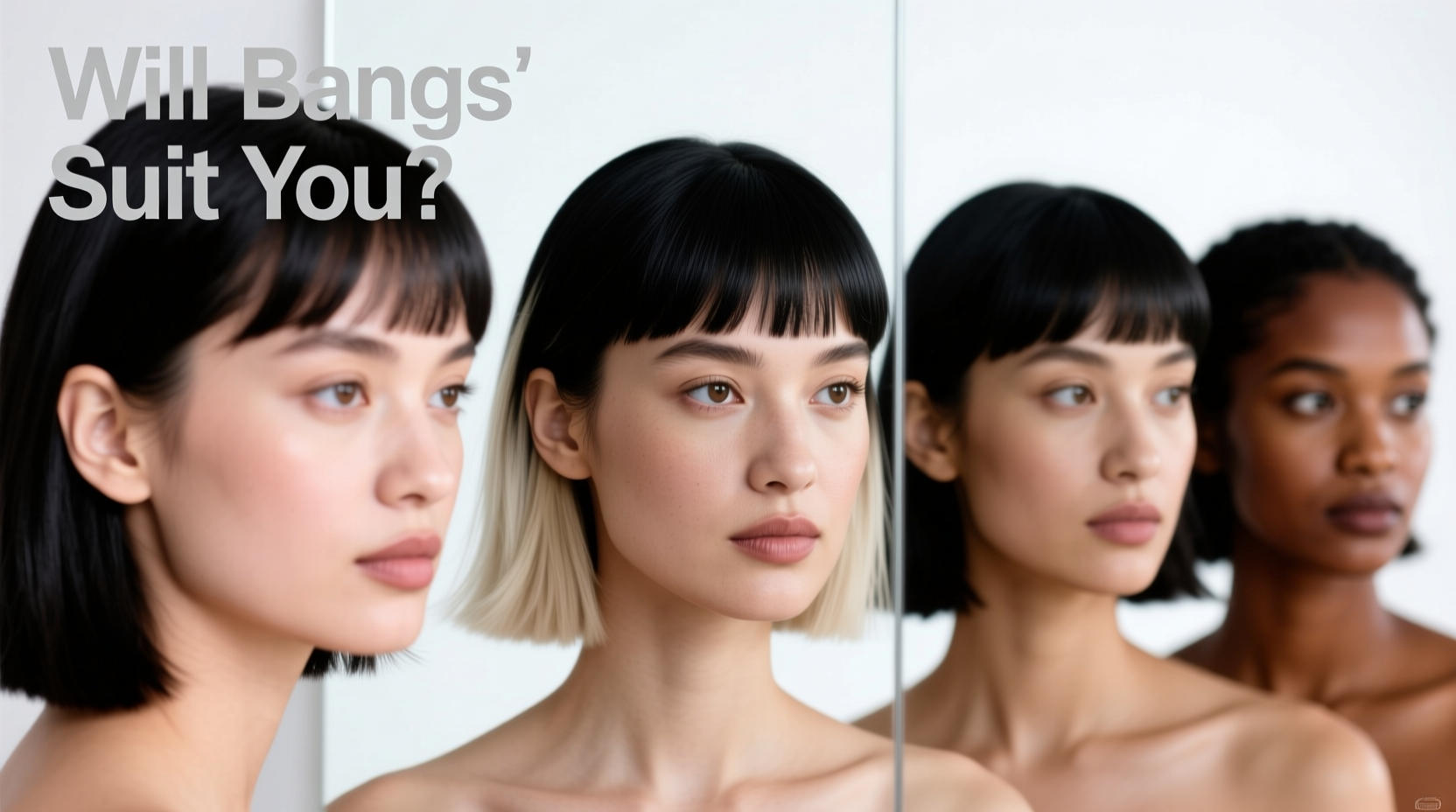
Your face shape is the foundation for determining which bangs will harmonize with your features. While many people assume they know their face shape, misidentification leads to poor styling choices. Begin by pulling your hair back and standing in front of a mirror with good lighting. Trace the outline of your face on the glass with lipstick or a washable marker, then step back and assess the overall shape.
Common face shapes include:
- Oval: Balanced proportions, slightly longer than wide, with gently rounded jawlines.
- Round: Equal width and length, full cheeks, soft angles.
- Square: Strong jaw, broad forehead, angular lines.
- Heart: Wider forehead, narrow chin, often with high cheekbones.
- Long/Rectangular: Face length exceeds width, sometimes with a prominent forehead.
- Diamond: Narrow forehead and jaw, wide cheekbones.
Once identified, match your shape to complementary bang styles:
| Face Shape | Recommended Bangs | Bangs to Avoid |
|---|---|---|
| Oval | Almost any style—blunt, side-swept, curtain, wispy | Few restrictions; avoid overly short cuts that shorten the face |
| Round | Side-swept, long layered, or curtain bangs | Short, straight-across bangs (can accentuate roundness) |
| Square | Soft, wispy, or curved bangs; side-parted styles | Rigid, horizontal blunt bangs (emphasize jaw angle) |
| Heart | Side-swept, textured, or feathered bangs | Heavy center bangs (draw attention to forehead) |
| Long | Full, straight-across or softly curved bangs | Very short or high bangs (add length) |
| Diamond | Curtain bangs, soft fringes with volume at sides | Narrow, thin bangs (accentuate cheekbone width) |
Consider Hair Texture and Density
A style that looks effortless on someone with fine, straight hair may fall flat—or worse, puff up uncontrollably—on coarse, curly textures. Your natural hair behavior dictates how bangs will lay, hold shape, and require maintenance.
- Fine or thin hair: Opt for light, piecey bangs. Heavy blunt cuts can overwhelm delicate strands and appear flat. Textured or micro-bangs add dimension without weight.
- Thick or dense hair: Can support bold styles like blunt or structured side bangs. Layering prevents bulkiness around the forehead.
- Curly or wavy hair: Embrace natural curl patterns with curved or “curtain” bangs cut longer at the sides. Avoid cutting curly bangs too short when dry—they shrink significantly when coiled.
- Coarse or frizzy-prone hair: Benefit from slight undercuts or tapered edges to reduce volume at the forehead line.
“Bangs should work with your hair’s natural tendency, not against it. A stylist who understands texture can make all the difference.” — Lena Torres, Celebrity Stylist and Art Director at Gloss & Mane Studios
Lifestyle and Maintenance Realities
Even the most flattering bangs fail if they don’t fit your daily routine. Ask yourself: How much time do I spend styling my hair? Do I blow-dry regularly? Am I comfortable using heat tools?
Some bangs demand near-daily attention. Blunt or polished styles often require flat ironing or precise blow-drying. Wispy or textured fringes offer more forgiveness and grow out gracefully. Curtain bangs are popular because they blend into the rest of the hair, reducing the “growing-out” awkward phase.
For low-maintenance individuals:
- Choose longer, face-framing bangs that tuck behind the ears.
- Opt for styles that integrate naturally with your part.
- Avoid ultra-short cuts that require weekly trims to maintain shape.
Step-by-Step: Test Bangs Before Committing
Before booking a salon appointment, simulate the look at home:
- Part your hair where you normally wear it.
- Take a section from the crown down to the brow line, isolating about 2–3 inches of hair at the front.
- Hold it down over your forehead and clip it temporarily.
- Observe your reflection from multiple angles: front, side, three-quarter view.
- Ask: Do they frame my eyes? Do they clash with my glasses? Do they feel balanced?
- Try different styles—sweep them to one side, part them down the middle, curl the ends.
- Take photos throughout the day to see how the idea holds up mentally.
Style Synergy: Do Bangs Match Your Personal Aesthetic?
Bangs aren’t just a haircut—they’re a fashion statement. Consider your wardrobe, makeup habits, and overall vibe. A sharp, geometric bob with blunt bangs complements minimalist, modern wardrobes. Soft, romantic waves with wispy bangs suit bohemian or vintage-inspired styles. If you lean toward edgy, downtown looks, consider asymmetric or shaved-temple variations with disconnected bangs.
Ask these questions:
- Do I prefer polished or undone hairstyles?
- Am I drawn to classic elegance or experimental trends?
- Do I wear bold eye makeup? (Bangs can either showcase or hide it.)
- Are my accessories—glasses, hats, headbands—compatible with fringe?
Glasses wearers, in particular, need to ensure bangs don’t stick to lenses or create moisture buildup. Longer, side-swept styles typically work best.
Mini Case Study: Sarah’s Style Transformation
Sarah, 34, had worn her hair in a long, middle-parted curtain for over a decade. She admired the French-girl aesthetic but hesitated to try bangs, fearing they’d look “too severe.” After analyzing her oval face shape and fine, wavy texture, she opted for long, piecey curtain bangs with subtle layers. Cut at eyebrow length and blended into her part, they added movement without overwhelming her delicate features. Within weeks, she reported feeling more put-together with less effort. “They frame my face in a way I never knew I needed,” she said. “And they air-dry perfectly.”
Essential Checklist Before Getting Bangs
Use this checklist to evaluate readiness:
- ✅ Identified my face shape accurately
- ✅ Researched bang styles suited to my shape and hair type
- ✅ Considered my daily styling routine and time commitment
- ✅ Tested a temporary version at home
- ✅ Consulted a trusted stylist with experience in textured or face-framing cuts
- ✅ Discussed grow-out strategy and trimming frequency
- ✅ Confirmed compatibility with glasses or accessories
FAQ
Can bangs make me look younger or older?
Yes—when well-chosen, bangs can soften forehead lines and draw attention to the eyes, creating a youthful effect. However, heavy, flat bangs on mature skin may emphasize wrinkles or appear dated. Light, textured options are generally more age-flattering.
How often do I need to trim my bangs?
Most bangs require trimming every 3–5 weeks to maintain shape. Longer, layered styles can go 6–8 weeks. Fast growers may need more frequent visits. Discuss a maintenance schedule with your stylist based on your hair’s growth rate.
What if I regret my bangs?
Don’t panic. Most styles can be styled back temporarily with pins, wax, or headbands. Growing them out is easier with longer initial cuts. Work with your stylist on transitional trims to blend them into the rest of your hair smoothly.
Final Thoughts
Bangs are one of the most impactful yet reversible changes you can make to your appearance. When aligned with your face shape, hair behavior, and lifestyle, they elevate your entire look with minimal effort. But the decision shouldn’t be impulsive. Take time to analyze, test, and consult. A great pair of bangs doesn’t just sit on your forehead—they interact with your features, enhance your best qualities, and reflect your personality.




 浙公网安备
33010002000092号
浙公网安备
33010002000092号 浙B2-20120091-4
Comments
No comments yet. Why don't you start the discussion?