
Spices are the soul of flavor in cooking—transforming simple ingredients into aromatic, complex dishes with just a pinch. Yet, unlike perishable foods, their decline isn't always obvious. A dull curry, flat chili rub, or underwhelming baked good may not be due to technique, but to one overlooked culprit: stale spices. Most home cooks don’t realize that dried herbs and ground spices lose potency over time, often within months. Understanding how to assess freshness ensures every dish delivers the depth and vibrancy it deserves. This guide provides a detailed, science-backed approach to evaluating spice quality, including sensory tests, storage best practices, and realistic shelf-life expectations.
Definition & Overview
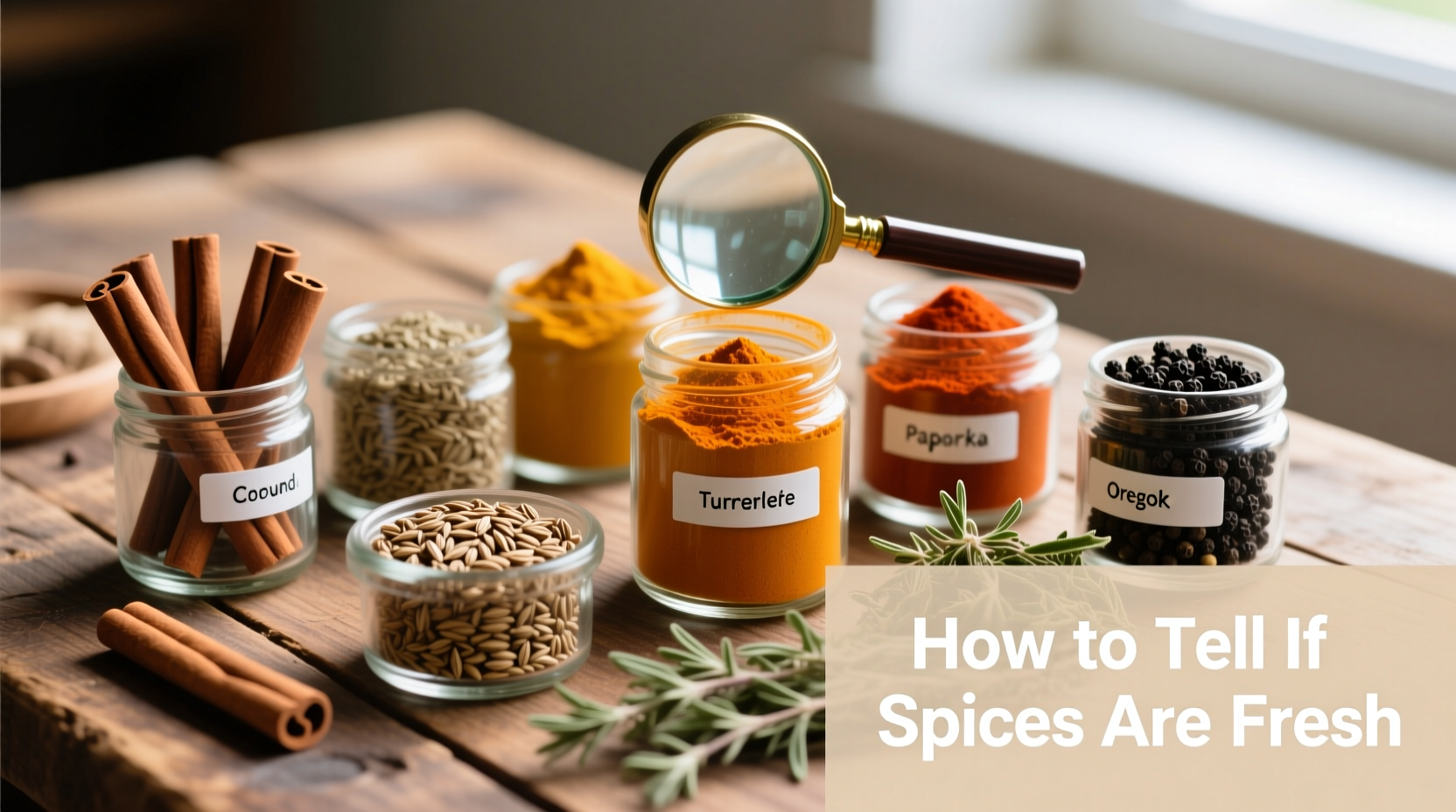
Spices are concentrated plant-derived substances used to enhance the flavor, color, and aroma of food. They come from various parts of plants—seeds (cumin, mustard), bark (cinnamon), roots (ginger, turmeric), fruits (peppercorns, allspice), flower buds (cloves), or stigmas (saffron). Unlike herbs, which typically refer to the leafy green parts of plants, spices are usually harvested from more resilient, non-leaf structures and are almost always used in dried form.
Their potency stems from volatile oils and organic compounds such as eugenol in cloves, curcumin in turmeric, and thymol in oregano. These compounds degrade when exposed to heat, light, moisture, and oxygen. Once diminished, the spice may still be safe to consume, but its ability to contribute meaningful flavor is compromised. Recognizing this degradation is essential for maintaining culinary integrity.
Key Characteristics of Fresh vs. Stale Spices
The difference between fresh and stale spices can be subtle but significant. Below are the primary indicators to evaluate:
| Characteristic | Fresh Spice | Stale Spice |
|---|---|---|
| Aroma | Bright, intense, immediately perceptible when opened or crushed | Faint, muted, or nearly odorless; requires deep sniffing |
| Color | Vibrant and rich (e.g., deep red paprika, golden turmeric) | Faded, dull, or grayish; may appear washed out |
| Taste | Pronounced flavor with complexity—heat, sweetness, bitterness, or warmth as expected | Flat, one-dimensional, or barely detectable |
| Texture | Free-flowing, especially in ground forms; whole spices are crisp | Clumpy (due to moisture absorption) or excessively dry and dusty |
| Shelf Life | Ground spices: 6–12 months; Whole spices: 2–4 years | Exceeds recommended storage duration |
These characteristics are not absolute—some variation occurs by type—but they provide a reliable framework for assessment. For instance, saffron should have a honey-like floral scent and vivid crimson threads, while stale saffron smells like hay and dissolves poorly in liquid.
Practical Usage: How to Test for Freshness
Evaluating spice freshness doesn’t require lab equipment—just attention and a few simple techniques.
1. The Aroma Test
Close your eyes and inhale deeply after opening the container. For ground spices, crush a small amount between your fingers first to release volatile oils. If the scent is weak or musty, the spice has likely oxidized. Cinnamon should smell sweet and woody; cumin should evoke earthy warmth. If you’re unsure, compare it side-by-side with a newly purchased sample.
2. The Visual Inspection
Hold the spice in daylight. Ground coriander that was once warm beige should not appear pale or chalky. Paprika should retain a deep orange-red hue, not a faded brick tone. Be cautious with additives—some commercial paprikas include fillers that accelerate fading.
3. The Taste Test
Place a tiny amount on your tongue. Fresh black pepper delivers sharp heat and citrusy notes; old pepper tastes dusty and flat. Nutmeg should be sweet and slightly nutty, not bland or bitter. Always use minimal quantities, especially with potent spices like cayenne or cloves.
4. The Bloom Test (for Cooking Applications)
Heat a teaspoon of oil in a pan and add a pinch of spice. Swirl for 10–15 seconds. Fresh spices will “bloom,” releasing a strong, appetizing aroma and visibly infusing the oil with color. Stale spices produce little scent and leave the oil largely unchanged. This method is particularly effective for cumin, mustard seeds, and curry powders.
Pro Tip: Label every spice container with the purchase or opening date. Use a permanent marker or label maker. This simple habit eliminates guesswork and supports rotation (FIFO: First In, First Out).
Variants & Types: Whole vs. Ground Spices
The form of a spice dramatically affects its longevity and optimal use.
- Whole Spices: Includes peppercorns, cinnamon sticks, cardamom pods, fennel seeds, and cloves. These retain essential oils much longer—up to four years when stored properly. Their structure protects volatile compounds from air and light exposure.
- Ground Spices: Pre-ground versions like garlic powder, onion powder, chili powder, and garam masala have significantly shorter lifespans. Once milled, surface area increases exponentially, accelerating oxidation. Most lose 40–60% of potency within six months.
- Blends: Commercial mixes (e.g., curry powder, pumpkin spice, jerk seasoning) often contain anti-caking agents and salt, which may extend shelf life slightly but do not preserve flavor. Because blends rely on multiple components, the weakest link determines overall quality. If one ingredient degrades, the entire mix suffers.
For maximum impact, consider grinding whole spices as needed using a dedicated spice grinder or mortar and pestle. Freshly ground pepper, for example, contains 30 times more volatile oil than pre-ground versions.
| Spice | Whole Form Shelf Life | Ground Form Shelf Life | Best Used In |
|---|---|---|---|
| Cumin | 3–4 years | 6–8 months | Curries, chili, spice rubs |
| Coriander | 3 years | 6 months | Middle Eastern, Indian, Latin dishes |
| Nutmeg | Indefinite (whole); grates well for years | 6–9 months | Baked goods, sauces, beverages |
| Cloves | 4 years | 6 months | Pickling, mulled wine, rice dishes |
| Paprika | N/A (rarely sold whole) | 8–12 months | Goulash, deviled eggs, roasted vegetables |
Comparison with Similar Ingredients
Confusion between similar-looking or named spices can lead to incorrect assumptions about freshness.
| Spice Pair | Differences | Freshness Clues |
|---|---|---|
| Paprika vs. Chili Powder | Paprika is pure ground Capsicum annuum; chili powder is a blend (often includes cumin, garlic, oregano) | Fresh paprika is bright red and sweet-smelling; chili powder should have layered aroma beyond just heat |
| Ground Cinnamon vs. Cassia | True cinnamon (Ceylon) is delicate and layered; cassia (common in U.S.) is stronger, harsher, higher in coumarin | Both darken with age, but cassia retains bite longer; true cinnamon loses nuance quickly |
| Dried Oregano vs. Marjoram | Oregano is pungent and earthy; marjoram is sweeter and milder | Fresh oregano has a camphorous kick; stale versions smell like dried grass |
| Ground Ginger vs. Galangal Powder | Ginger is warm and zesty; galangal is sharper, pine-like, less sweet | Ginger fades to neutrality; galangal loses its distinct medicinal edge |
Mislabeling is common, especially in bulk bins. When in doubt, source from reputable vendors who rotate stock frequently and specify origin.
Practical Tips & FAQs
How long do spices really last?
Whole spices: 2–4 years. Ground spices: 6 months to 1 year. Herbal blends and seasoning salts: up to 18 months due to salt’s preservative effect. However, peak flavor occurs within the first 3–6 months for ground varieties.
Can old spices make you sick?
No—spices do not spoil in the microbial sense due to low moisture content. However, they can harbor contaminants if stored improperly (e.g., moisture ingress leading to mold). Discard any spice that shows clumping, off-odors (musty, sour), or visible impurities.
Is freezing spices a good idea?
For long-term storage of rare or expensive spices (e.g., saffron, vanilla beans, smoked paprika), freezing in an airtight container can extend freshness by slowing oxidation. Allow containers to reach room temperature before opening to prevent condensation. Not necessary for regularly used spices.
What’s the best way to store spices?
- Use opaque, airtight glass or metal containers—avoid clear plastic or jars near stoves.
- Store in a cool, dark cupboard away from heat sources (oven, dishwasher, sunlight).
- Do not keep spices above the stove—a common mistake that exposes them to heat and humidity.
- Buy in small quantities unless usage is high.
Are supermarket spices inferior to specialty brands?
Not inherently, but mass-market brands often have slower turnover, meaning older stock reaches shelves. Specialty retailers like Penzeys, Spice House, or local spice merchants typically offer fresher products with transparent sourcing. Compare prices per ounce and check packaging dates when possible.
Can I revive stale spices?
No—once volatile oils degrade, they cannot be restored. Toasting may briefly intensify aroma but won’t regenerate lost compounds. The only solution is replacement.
Should I buy organic spices?
Organic certification does not guarantee freshness, but it does ensure no synthetic pesticides or irradiation. Some studies show organic spices may have higher antioxidant levels. Choose based on personal values and sourcing transparency.
Case Study: A home cook preparing chicken tikka masala found the dish lacked depth despite following a trusted recipe. Upon testing, the cumin and coriander were over 18 months old. Replacing both with freshly ground whole seeds transformed the sauce—richer, more aromatic, and authentically balanced. The only change? Ingredient vitality.
“Flavor is not added—it’s released. A stale spice is like a dead battery: it looks the same, fits the slot, but delivers no energy.” — Chef Anita Rao, Culinary Institute of America
Summary & Key Takeaways
Maintaining flavorful cuisine starts with recognizing that spices are perishable flavor agents, not eternal pantry staples. Their degradation is silent but impactful, undermining even expertly executed recipes. To ensure consistent results:
- Use your senses—smell, sight, taste—to assess spice quality regularly.
- Prioritize whole spices and grind them as needed for maximum potency.
- Label containers with purchase or opening dates to track freshness.
- Store spices properly: cool, dark, dry, and sealed.
- Replace ground spices every 6–12 months and whole spices every 3–4 years.
- Invest in high-turnover sources for better freshness assurance.
Great cooking relies on precision, technique, and ingredient integrity. By treating spices with the respect they deserve—as dynamic, living elements of flavor rather than passive dust—you elevate every meal from ordinary to exceptional. Audit your spice cabinet today. The difference will be unmistakable.
Call to Action: Clear a shelf in your pantry this week. Sort spices by type and date. Discard anything past its prime, label the rest, and note replacements needed. Your next meal will thank you.




 浙公网安备
33010002000092号
浙公网安备
33010002000092号 浙B2-20120091-4
Comments
No comments yet. Why don't you start the discussion?