
Understanding your body type is more than just a fashion shortcut—it’s a foundational step toward dressing with intention, comfort, and confidence. While many people rely on generic sizing labels, these often fail to reflect how clothing actually fits different proportions. By identifying your unique body shape, you gain insight into which silhouettes flatter your frame, where tailoring helps most, and how to build a wardrobe that works *with* your body rather than against it.
This guide breaks down the process of determining your body type using simple measurements, visual cues, and real-life application. Whether you're updating your closet or shopping online, this knowledge empowers smarter choices and reduces guesswork.
Why Body Type Matters in Fashion and Fit
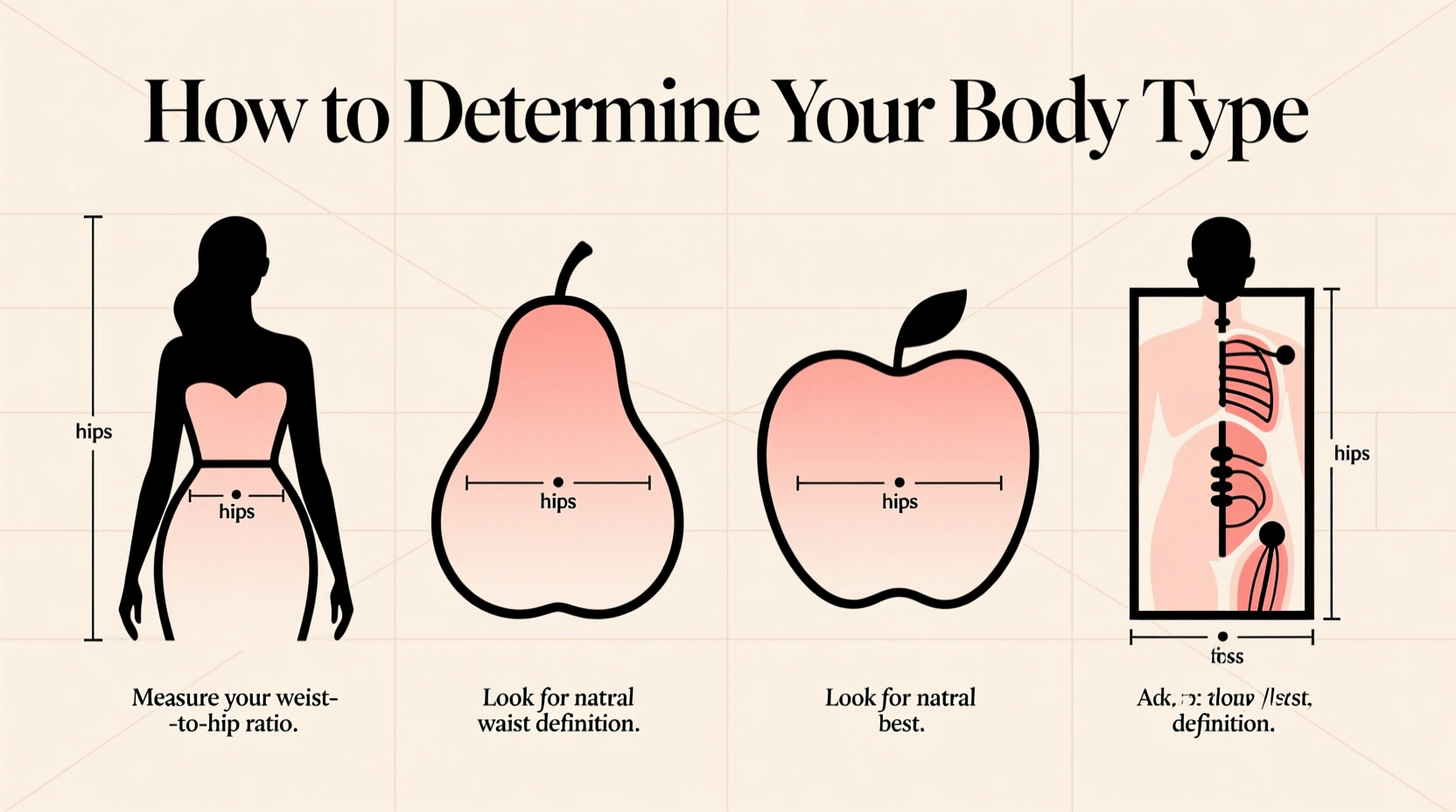
Clothing is designed with specific shapes in mind. A dress cut for an hourglass figure may overwhelm a rectangular frame, while high-waisted wide-leg pants might balance hips on a pear shape but appear unstructured on someone with narrow hips and shoulders.
Recognizing your body type allows you to:
- Select cuts and styles that enhance your natural proportions
- Improve fit without relying solely on size numbers
- Streamline shopping decisions—especially online
- Build a cohesive, flattering capsule wardrobe
Body typing isn’t about conforming to ideals; it’s about working with what you have to highlight strengths and wear clothes that feel authentic and comfortable.
Step-by-Step Guide to Measuring Your Body Shape
To accurately determine your body type, take three key measurements: bust, waist, and hips. Use a soft measuring tape and follow these steps:
- Bust: Measure around the fullest part of your chest, keeping the tape parallel to the floor. Don’t pull too tight—wear a light bra or none at all.
- Waist: Find your natural waistline—usually the narrowest part between your ribs and hips. Breathe normally; don’t suck in your stomach.
- Hips: Measure around the widest part of your hips and buttocks, ensuring the tape passes over the fullest point.
Once recorded, compare these numbers using the standard body shape categories. The relationship between these three measurements—not the absolute values—determines your type.
Common Body Types and How to Identify Yours
The five primary body shapes are widely recognized in fashion and tailoring. Each has distinct proportions and styling implications.
| Body Type | Measurement Pattern | Visual Characteristics |
|---|---|---|
| Hourglass | Bust and hips are nearly equal; waist is significantly narrower (at least 8–10 inches smaller) | Well-defined waist, balanced top and bottom halves |
| Apple (Round/Circular) | Bust and waist are larger than hips; waist measurement dominates | Broad shoulders, fuller midsection, legs taper downward |
| Pear (Triangle) | Hips are wider than bust; waist may be defined or less so | Narrower shoulders, wider hips and thighs |
| Inverted Triangle | Bust/shoulders wider than hips; waist not dramatically cinched | Broad shoulders, athletic upper body, narrower hips |
| Rectangle (Straight) | Bust, waist, and hips are similar in width; little waist definition | Torso appears column-like, balanced proportions top to bottom |
While these are general categories, many people fall into hybrid types—such as “soft hourglass” or “oval-leaning apple”—which means slight variations exist. Focus on the overall proportion trend, not perfect alignment.
Real Example: Identifying a Soft Hourglass
Lena, 34, measured her bust at 38 inches, waist at 30 inches, and hips at 37 inches. Her waist is 8 inches smaller than her bust and 7 inches smaller than her hips—close to the classic hourglass ratio. Though not perfectly symmetrical, the clear waist emphasis and balanced top/bottom make her a soft hourglass.
Knowing this, Lena prioritizes wrap dresses, belted coats, and tailored blazers that accentuate her waist. She avoids boxy silhouettes that erase her curves and instead chooses pieces with structure and drape.
Styling Tips Based on Your Body Type
Once you’ve identified your shape, use targeted styling strategies to enhance your silhouette.
For Hourglass Figures
- Emphasize the waist with belts, darts, or cinched seams
- Choose form-fitting but not tight fabrics like ponte or stretch wool
- A-line skirts and sheath dresses complement natural curves
For Apple Shapes
- Opt for V-necks and open necklines to elongate the torso
- Wear structured tops that skim the midsection, not cling to it
- Draw attention downward with statement shoes or ankle details
For Pear Shapes
- Balance proportions with off-the-shoulder tops or bold necklaces
- Wear dark colors on bottom, brighter tones on top
- Bootcut or wide-leg pants create harmony between hips and shoulders
For Inverted Triangles
- Add volume below the waist with flared skirts or layered hems
- Choose boat necks or scoop necks to soften broad shoulders
- Medium-waisted trousers help ground the lower body
For Rectangle Shapes
- Create the illusion of curves with peplums, ruffles, or belted waists
- Layer strategically—tunics over leggings, cardigans over tanks
- Try monochrome outfits with texture variation to add dimension
“Understanding body geometry changes everything. It’s not about changing your shape—it’s about dressing it with intelligence.” — Maya Tran, Fashion Stylist & Fit Consultant
Frequently Asked Questions
Can my body type change over time?
Yes. Weight fluctuations, aging, pregnancy, and muscle development can shift your proportions. Reassess every few years or after major life changes. For example, a rectangle shape may evolve into an hourglass after pregnancy due to hip widening and waist definition.
What if I don’t fit neatly into one category?
Most people are variations or blends. If your waist is slightly defined but shoulders and hips are close in width, you might be a “modified inverted triangle.” Focus on the dominant pattern and adapt tips accordingly. Hybrid types benefit from mixing strategies—e.g., using waist emphasis (hourglass tip) with added lower volume (pear tip).
Does height or body weight affect body typing?
No. Body typing is based on proportion, not size. A 5'2\" woman and a 5'10\" woman can both be pears if their hips are wider than their bust. Similarly, body weight doesn’t define shape—plus-size individuals can have any of the five types.
Checklist: Confirming Your Body Type
- ☑ Take accurate bust, waist, and hip measurements
- ☑ Compare ratios using the table above
- ☑ Stand in front of a full-length mirror in fitted clothing to assess visual balance
- ☑ Try on a basic shift dress and note where fabric pulls or gaps
- ☑ Test one recommended outfit style for your suspected type
- ☑ Re-evaluate after weight change, injury, or lifestyle shifts
Conclusion: Dress for Who You Are—Not Who You Think You Should Be
Identifying your body type removes the mystery from fit. It replaces frustration with clarity, turning wardrobe decisions into confident choices rooted in proportion, not trends. This isn’t about forcing yourself into a mold—it’s about celebrating your uniqueness through intentional dressing.
Start today: grab a measuring tape, jot down your numbers, and observe your reflection with curiosity, not criticism. Then, experiment with one silhouette that aligns with your shape. Notice how it feels to wear something that truly fits.




 浙公网安备
33010002000092号
浙公网安备
33010002000092号 浙B2-20120091-4
Comments
No comments yet. Why don't you start the discussion?