
In a market saturated with mass-produced accessories, handmade keychains offer a rare blend of personality, craftsmanship, and authenticity. Whether you're a boutique retailer, gift shop owner, or an individual collector seeking one-of-a-kind pieces, the challenge lies not just in finding handmade keychains—but in discovering those truly distinctive designs that capture attention and tell a story. Unlike factory-made trinkets, the most memorable handmade keychains are born from creativity, cultural inspiration, and meticulous execution. The process of sourcing them requires intentionality, research, and a keen eye for originality.
Understand What Makes a Keychain \"Truly Unique\"
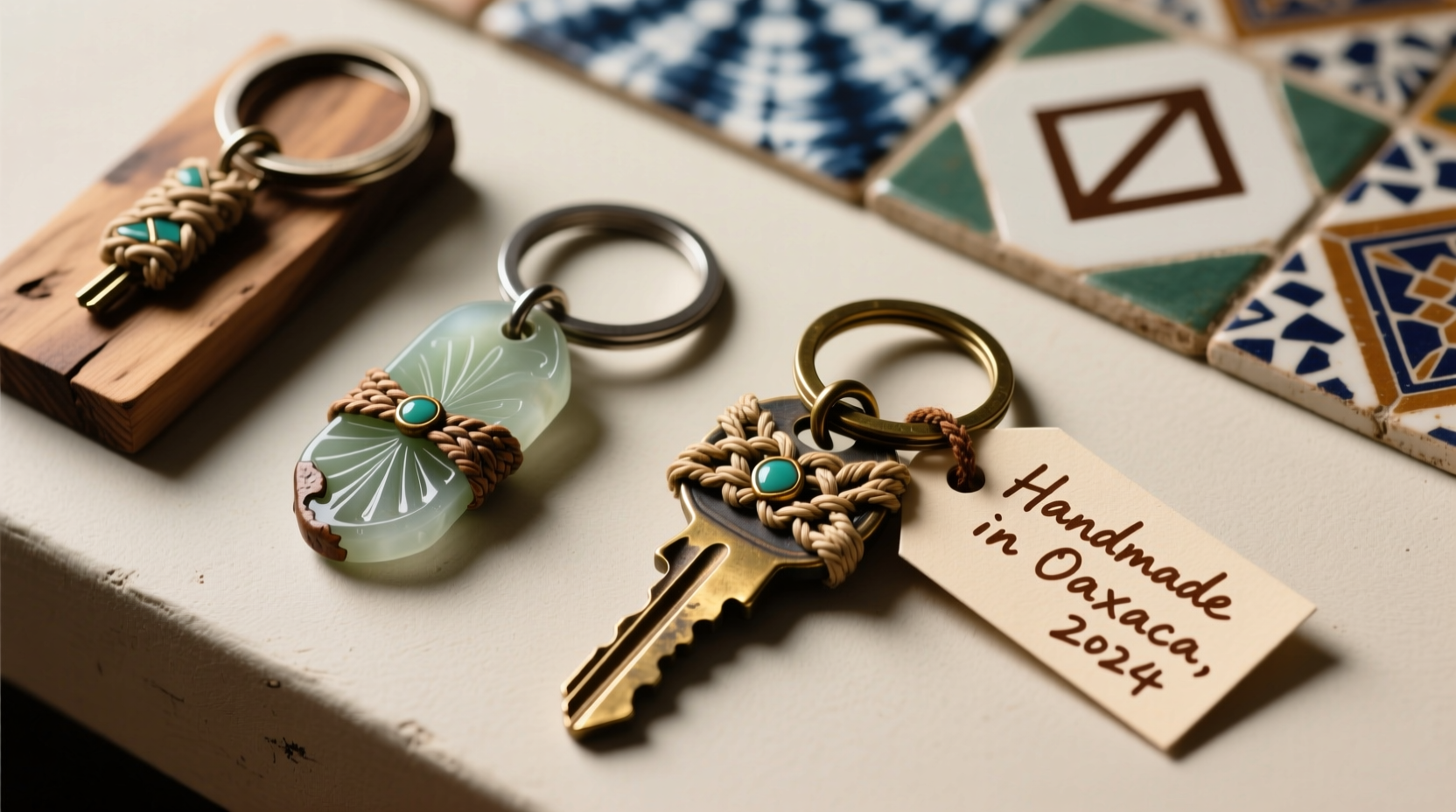
Before diving into sourcing channels, it’s essential to define what sets a handmade keychain apart. Uniqueness isn’t just about color or shape—it’s rooted in narrative, technique, and provenance. A standout piece might incorporate:
- Uncommon materials like ethically sourced wood, recycled metals, or natural fibers
- Techniques passed down through generations—such as hand-carving, macramé, or enamel work
- Designs inspired by regional folklore, indigenous patterns, or personal artistic expression
- Limited availability or customization options that prevent replication
Mass-market imitations often mimic aesthetics without depth. Truly unique handmade keychains reflect the maker’s voice and values, making each piece inherently irreplaceable.
Explore Niche Artisan Marketplaces and Craft Fairs
The best place to begin your search is where artisans naturally gather. While platforms like Etsy host millions of sellers, deeper discovery happens on niche marketplaces that prioritize craftsmanship over volume.
Consider these curated platforms:
- Minted – Known for design competitions, it features artists whose keychains often double as wearable art.
- Goimagine – Supports artisans from developing countries, offering fair-trade leather and beadwork keychains.
- Local craft fairs and indie markets – These events allow direct interaction with makers, giving insight into their process and inspiration.
At physical markets, observe how artisans present their work. Do they explain the origin of materials? Are there variations in each piece suggesting handcrafting? These cues signal authenticity and care.
“Handmade doesn’t mean imperfect—it means intentional. Every irregularity tells a story.” — Lena Torres, Artisan Jewelry Designer and Ethical Sourcing Advocate
Build Relationships with Independent Makers
One of the most effective ways to source unique keychains is to form partnerships with independent artists. Rather than treating them as suppliers, approach them as collaborators. Many artisans welcome custom design requests or small-batch production if approached respectfully.
To build trust and secure exclusive designs:
- Reach out personally via social media or email—mention specific pieces you admire.
- Propose a collaboration: co-design a limited run using local motifs or seasonal themes.
- Offer fair pricing and credit—many artisans value recognition as much as compensation.
This relationship-based model not only yields one-of-a-kind inventory but also supports sustainable creative economies.
Case Study: From Festival Booth to Boutique Exclusive
Sophia Chen, owner of a lifestyle boutique in Portland, stumbled upon a ceramicist selling minimalist clay keychains at a winter arts festival. Each piece was hand-sculpted and glazed with natural pigments. Impressed by the artist’s attention to texture and finish, Sophia proposed a collaboration: a series of Pacific Northwest-inspired animal shapes—raven, salmon, bear—exclusive to her store.
The artist agreed, producing 50 units per design. Within three months, the collection sold out, with customers drawn to both the aesthetic and the story behind the pieces. By nurturing the partnership, Sophia secured recurring limited editions and built a loyal customer base around artisan storytelling.
Use Strategic Sourcing Criteria
To consistently identify standout keychains, apply a structured evaluation framework. This checklist helps separate novelty from lasting appeal.
- ✔️ Is the material sustainably or ethically sourced?
- ✔️ Does the design show evidence of handcraft (e.g., slight asymmetry, tool marks)?
- ✔️ Can the artisan articulate the inspiration or technique behind the piece?
- ✔️ Is packaging minimal and thoughtful (e.g., recycled paper, handwritten note)?
- ✔️ Is the price aligned with labor and material cost, not just market demand?
Avoid pieces that feel hastily made or overly commercialized—even if labeled “handmade.” True craftsmanship reveals itself in details: the weight of the piece, the smoothness of edges, the consistency of dye or glaze.
Do’s and Don’ts of Sourcing Handmade Keychains
| Do’s | Don’ts |
|---|---|
| Ask about the making process and material origins | Assume all handmade items are eco-friendly |
| Negotiate fairly—never undervalue labor | Demand bulk discounts that compromise quality |
| Request samples before placing large orders | Copy designs and reproduce them elsewhere |
| Credit the maker in product descriptions | Treat artisans as disposable vendors |
| Support emerging artists with micro-orders | Only buy from top-rated or highly visible sellers |
Tap Into Global Artisan Communities
Some of the most distinctive keychains originate from underrepresented regions where traditional crafts thrive. Communities in Oaxaca (Mexico), Bali (Indonesia), and Accra (Ghana) produce intricate beadwork, metal casting, and woven textiles ideal for keychain adaptations.
To access these networks responsibly:
- Partner with ethical import organizations like Ten Thousand Villages or Fair Trade Federation members.
- Search for cooperatives rather than middlemen—this ensures more income reaches the actual craftsperson.
- Respect cultural significance: avoid appropriating sacred symbols or religious motifs.
For example, Maasai beaded keychains from Kenya often use symbolic color codes—red for bravery, white for peace. When sold authentically, they come with educational cards explaining meaning, enhancing perceived value.
Frequently Asked Questions
How can I verify if a keychain is genuinely handmade?
Look for subtle inconsistencies between pieces—no two should be identical. Ask the seller for photos of the making process or studio. Genuine artisans are usually eager to share their workflow. Also, check product descriptions for specifics: “hand-poured resin” or “hand-stitched leather” are stronger indicators than vague terms like “artisan style.”
What’s a reasonable price range for a high-quality handmade keychain?
Prices vary widely based on materials and region, but expect to pay $12–$35 for a well-crafted piece from an independent maker. Lower prices may indicate outsourced production or machine-assisted methods. Remember, fair wages for skilled labor are part of what makes a product valuable.
Can I customize handmade keychains in small batches?
Yes—many artisans welcome small custom runs of 25–100 units. Be clear about your vision, provide reference images, and confirm turnaround time. Customization adds exclusivity and strengthens brand identity, especially for gifts, corporate swag, or event favors.
Conclusion: Elevate Your Collection with Intentional Sourcing
Finding truly unique handmade keychains isn’t about scrolling endlessly through online listings—it’s about cultivating curiosity, supporting craftsmanship, and valuing stories behind objects. By focusing on authenticity, building relationships, and applying thoughtful criteria, you can curate a collection that stands out in both design and integrity.




 浙公网安备
33010002000092号
浙公网安备
33010002000092号 浙B2-20120091-4
Comments
No comments yet. Why don't you start the discussion?