
In a market saturated with generic slogans and overused graphics, standing out with a t-shirt has become both an art and a business opportunity. Whether you're curating your wardrobe or launching a print-on-demand store, the key lies not in following trends—but in discovering what’s beneath them. Unique and niche t-shirt designs don’t just attract attention; they build communities, spark conversations, and drive loyalty. The real challenge isn’t creating demand—it’s finding or crafting designs that speak to specific audiences others overlook.
Why Niche Designs Outperform Generic Trends
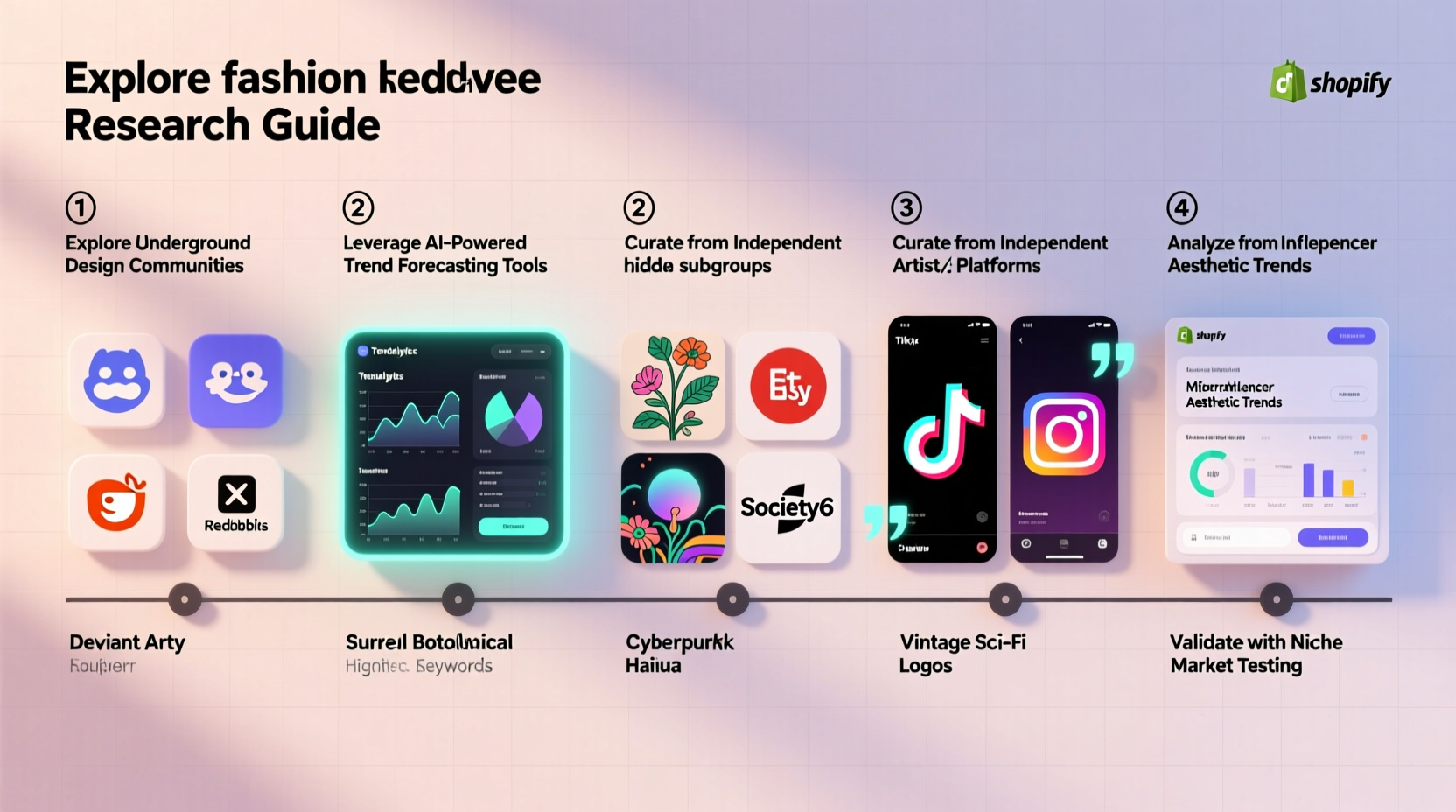
Mass-market apparel often targets broad demographics with safe, widely palatable designs. But niche t-shirts thrive on specificity. A shirt celebrating obscure 90s anime, retro synthwave culture, or minimalist hiking humor may only appeal to a small group—but that group is passionate, engaged, and more likely to purchase.
Niche markets reduce competition while increasing emotional connection. When someone sees a design that perfectly captures their identity—be it “plant mom with anxiety” or “vintage oscilloscope enthusiast”—they don’t just buy a shirt. They buy belonging.
“Niche isn’t small—it’s focused. And focus creates fanatics.” — Lena Torres, Independent Apparel Designer & Founder of Thread Theory Co.
Where to Find Hidden Design Inspiration Online
The internet is overflowing with under-the-radar design ideas—if you know where to look. Most people search Etsy or Pinterest and stop there. But true uniqueness comes from digging deeper into subcultures, forums, and creative platforms most overlook.
- Reddit Communities: Subreddits like r/Design, r/GeekyTshirts, or niche ones like r/Birding or r/VinylMePlease reveal real passions through memes, inside jokes, and user-generated art.
- DeviantArt & Behance: These platforms host independent artists experimenting with surreal, thematic, or culturally specific visuals rarely seen in mainstream stores.
- Tumblr & Instagram Hashtags: Search micro-trends using tags like #analogaesthetic, #weirdhistoryfacts, or #indiegameart. Scroll past the popular posts to uncover raw, authentic creativity.
- Discord Servers: Many hobbyist communities (e.g., retro computing, tabletop RPGs) have active Discord channels where members share fan art and joke concepts ripe for adaptation.
- Etsy & Redbubble Deep Dives: Instead of copying top sellers, analyze low-competition listings with loyal followings. Look for patterns in reviews: “I’ve never seen a shirt like this!” is a goldmine clue.
Case Study: From Obscure Meme to Best-Selling Shirt
A designer named Marcus noticed a recurring joke in a niche Discord server about “debugging life with a soldering iron.” It was a blend of electronics humor and existential millennial fatigue. He created a minimalist design showing a circuit board shaped like a heart, with the text: “Error 404: Purpose Not Found.”
He uploaded it to a print-on-demand platform targeting engineering students and maker communities. Within three months, the design sold over 1,200 units—not because it went viral, but because it resonated deeply with a small, overlooked group who felt seen. No advertising. Just Reddit shares and word-of-mouth.
Step-by-Step Guide to Curate or Create Standout T-Shirt Designs
Finding unique designs isn’t random. It’s a process combining research, empathy, and iteration. Follow this timeline to consistently source compelling concepts:
- Week 1: Identify 3–5 Micro-Niches
Choose interests with dedicated followings but limited apparel options. Examples: analog photography enthusiasts, competitive mushroom foragers, vintage calculator collectors. - Week 2: Immerse in Their Digital Culture
Join relevant forums, follow hashtags, read blogs. Take notes on recurring phrases, symbols, frustrations, and humor. - Week 3: Extract Visual & Verbal Themes
Compile a mood board of colors, fonts, and imagery commonly associated with the niche. Identify linguistic quirks—like puns, acronyms, or ironic self-deprecation. - Week 4: Sketch 5–10 Concepts
Create simple mockups based on insights. Focus on authenticity over polish. Ask: “Would someone in this community wear this proudly?” - Week 5: Test with Real People
Post concepts anonymously in niche communities. Gauge reactions. Refine based on feedback before production.
Tools and Platforms That Reveal Underserved Markets
Several online tools help identify gaps in the t-shirt market by analyzing search behavior and consumer demand.
| Tool | Use Case | Key Insight Provided |
|---|---|---|
| Google Trends | Compare niche vs. mainstream interest over time | Shows rising queries like “dark academia aesthetic” before they peak |
| AnswerThePublic | Find questions people ask about hobbies | Reveals emotional pain points (“why do I love vintage radios?”) |
| Merch by Amazon Research Tools | Analyze existing t-shirt competition | Identifies low-supply, high-search niches (e.g., “ferret dad”) |
| Pinterest Predicts | Track emerging visual trends | Highlights aesthetics like “coastal cowgirl” or “goblin core” early |
Checklist: Launching a Niche T-Shirt Line the Right Way
Before releasing any design, run through this checklist to ensure quality, legality, and market fit:
- ✅ Confirm originality—no copyright or trademark conflicts
- ✅ Verify cultural sensitivity—avoid appropriation or mockery
- ✅ Test readability at small sizes (e.g., on mobile thumbnails)
- ✅ Choose color palettes aligned with niche aesthetics (e.g., muted earth tones for hikers)
- ✅ Offer unisex fits unless the niche clearly prefers otherwise
- ✅ Write product descriptions using insider language (“For fans of slow TV and moss identification”)
- ✅ Launch in a community-first way—share with the niche before promoting broadly
FAQ: Common Questions About Niche T-Shirt Design
How do I know if a niche is too small to profit from?
A niche is viable if it has passionate, engaged members—even if numerically small. For example, “left-handed astrophotographers” might seem tiny, but if 5,000 people each spend $25 on a shirt that speaks to them, that’s $125,000 in revenue. Focus on engagement, not size.
Can I use fan art or pop culture references?
No—unless you have explicit licensing. While a “Star Wars meets gardening” mashup might get likes, it risks takedowns or legal action. Instead, create original work inspired by themes: use space motifs, droid-like robots, or desert planets without naming protected IP.
What makes a design “standout” beyond being niche?
Truly standout designs combine specificity with clever execution. They’re not just inside jokes—they’re well-designed, emotionally resonant, and wearable outside the context. A great niche design works as art first, meme second.
Final Thoughts: Be a Curator of Culture, Not Just a Seller
The most successful t-shirt creators aren’t just designers or entrepreneurs—they’re cultural observers. They listen closely, participate authentically, and reflect back the humor, pride, and quirks of communities often ignored by mainstream fashion.
Uncovering unique designs isn’t about chasing algorithms or copying trends. It’s about empathy. It’s about noticing the unspoken identity markers people carry—the book titles on their shelves, the bumper stickers on their cars, the memes they save privately. Translate those into wearable art, and you won’t just sell shirts. You’ll give people a way to express who they are.




 浙公网安备
33010002000092号
浙公网安备
33010002000092号 浙B2-20120091-4
Comments
No comments yet. Why don't you start the discussion?