
Finding love isn’t about waiting for fate—it’s about clarity, self-awareness, and intention. Many people drift through dating hoping to “just know” when they meet the right person. But without a clear understanding of what truly matters to them, they risk repeating patterns, overlooking compatible partners, or settling for less. The key to discovering your ideal match lies not in fantasy, but in thoughtful reflection and deliberate action.
Understand What “Ideal” Really Means
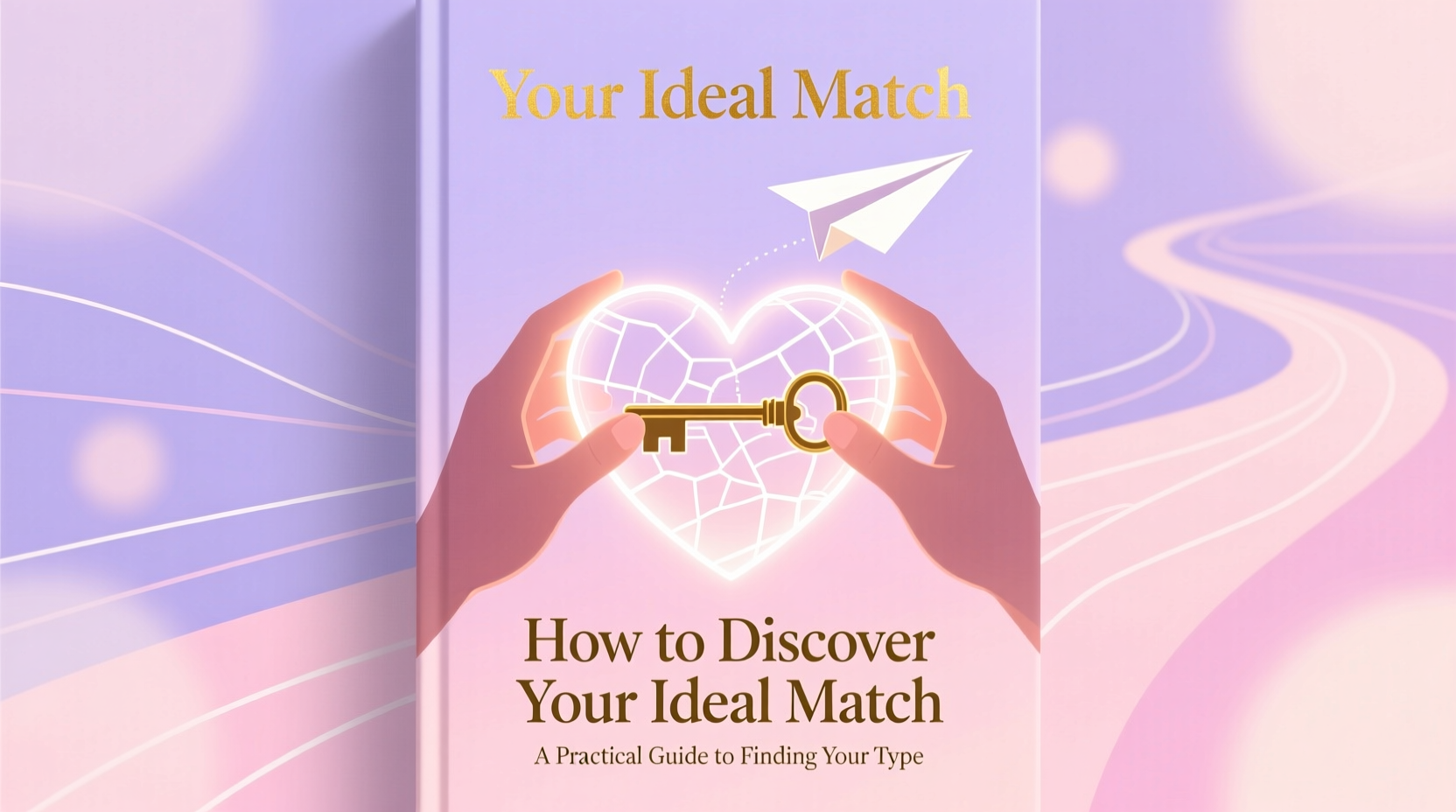
The term “ideal match” often conjures images of perfection—someone who checks every box, shares all your interests, and never disagrees with you. But in reality, no one is flawless. A more useful definition of an ideal match is someone who aligns with your core values, supports your growth, and complements your personality in ways that foster mutual respect and emotional safety.
Psychologist Dr. Sue Johnson, founder of Emotionally Focused Therapy, emphasizes:
“Lasting love isn’t built on shared hobbies or physical attraction alone. It’s rooted in emotional responsiveness, trust, and the ability to be vulnerable together.” — Dr. Sue Johnson, Clinical Psychologist
Your ideal partner doesn’t need to mirror you entirely. In fact, some differences can enhance a relationship—such as one being more spontaneous while the other brings stability. The goal is alignment on non-negotiables: values, life goals, communication style, and emotional maturity.
Conduct a Relationship Audit
To identify your true type, examine your past relationships—not to dwell on pain, but to extract patterns. Reflect on both serious partnerships and short-term connections. Ask yourself:
- What drew me to this person initially?
- What caused the relationship to succeed or fail?
- Did I feel respected, heard, and emotionally safe?
- Was there a mismatch in long-term goals?
- Did I compromise too much on core values?
This audit isn’t about blaming others or yourself. It’s about recognizing recurring themes—such as being attracted to emotionally unavailable partners or prioritizing charm over consistency. Awareness is the first step toward change.
Mini Case Study: Sarah’s Pattern Breakthrough
Sarah, 34, noticed she kept dating charismatic men who were disorganized and indecisive. While exciting at first, these relationships always ended in frustration. After journaling her experiences, she realized she associated passion with instability. Her breakthrough came when she acknowledged her deeper need: a partner who was both warm and reliable. She began noticing—and saying yes to—men who showed up consistently, even if they weren’t the most dramatic. Within a year, she was in a stable, joyful relationship with someone she once might have overlooked.
Define Your Core Criteria
Once you’ve reflected on the past, it’s time to define your future. Create a tiered list of qualities you want in a partner. Categorize them into three levels:
| Must-Haves (Non-Negotiables) | Nice-to-Haves (Preferences) | Deal-Breakers (Red Flags) |
|---|---|---|
| Shared values (e.g., honesty, family orientation) | Enjoy cooking or hiking | Lack of emotional availability |
| Desire for a long-term commitment | Similar sense of humor | Disrespectful to service staff |
| Emotionally intelligent and communicative | Attractive appearance | History of dishonesty or manipulation |
| Financial responsibility | Same cultural background | Unwillingness to seek therapy if needed |
Your “must-haves” should reflect foundational elements for a healthy relationship. “Nice-to-haves” add flavor but shouldn’t override substance. And “deal-breakers” protect your boundaries—don’t rationalize them away.
A Step-by-Step Guide to Finding Your Type in Action
Knowing your ideal type is only half the battle. You also need a strategy to meet and evaluate potential matches. Follow this six-step timeline:
- Week 1–2: Self-Assessment
Complete your relationship audit and write down your criteria. Journal daily about what emotional security feels like to you. - Week 3–4: Optimize Your Presence
Update your dating profile to reflect your values, not just your hobbies. Use photos that show you engaged in meaningful activities. - Month 2: Engage with Intention
Go on dates, but treat them as research. After each one, note: Did this person demonstrate any of your must-have qualities? Were there red flags? - Month 3: Narrow the Field
Focus energy on 2–3 promising connections. Observe how they handle conflict, communicate needs, and spend their time. - Month 4: Deepen Conversations
Ask questions about their views on relationships, personal growth, and handling stress. Listen more than you speak. - Month 5+: Make a Decision
If someone consistently meets your core criteria and treats you well, consider committing. If not, keep refining your understanding.
Common Misconceptions About “Finding Your Type”
Many people misunderstand what it means to have a “type.” Here are three myths to avoid:
- Myth 1: My type is purely physical.
Looks matter, but they won’t sustain a relationship. Attraction grows when you admire someone’s character. - Myth 2: I’ll just feel it.
Chemistry is important, but it can mask incompatibility. Feelings fluctuate; values don’t. - Myth 3: I need to change myself to attract the right person.
No. You become more attractive by becoming more authentically you—clear, grounded, and self-respecting.
FAQ
Can your ideal match change over time?
Yes. As you grow, your priorities may shift. Someone perfect for you at 25 might not suit you at 35. Revisit your criteria every few years, especially after major life changes like career shifts, loss, or travel.
What if I keep attracting the wrong type?
Patterns stem from subconscious beliefs—like “I don’t deserve respect” or “Love means sacrifice.” Consider talking to a therapist to uncover and reframe these narratives. Healing old wounds makes space for healthier connections.
Should I compromise on my must-haves?
No. Must-haves are deal-makers. Compromise belongs in the “nice-to-have” category—like dietary preferences or vacation styles. Never negotiate on integrity, emotional safety, or shared vision.
Final Checklist: Are You Ready to Find Your Match?
Before diving back into dating, ask yourself:
- Have I identified my core values and non-negotiables?
- Am I aware of my relationship patterns and triggers?
- Do I feel emotionally available, or am I rushing to fill a void?
- Have I communicated my intentions clearly on dating platforms?
- Am I open to seeing potential in people who aren’t my “usual type”?
If you answered yes to most of these, you’re not just ready to date—you’re ready to choose wisely.
Conclusion: Clarity Is the Foundation of Connection
Finding your ideal match starts long before the first date. It begins with introspection, honesty, and the courage to let go of outdated scripts. When you know who you are and what you need, you stop chasing sparks and start building something lasting. The right person isn’t found by accident—they’re recognized because you’ve done the work to see them clearly.




 浙公网安备
33010002000092号
浙公网安备
33010002000092号 浙B2-20120091-4
Comments
No comments yet. Why don't you start the discussion?