
In an era where fashion often prioritizes form over function, the mini handbag has become a symbol of elegance and intentionality. Yet, its compact size presents a real challenge: how do you fit everything you need without sacrificing style or practicality? The answer lies not in carrying more, but in carrying smarter. With thoughtful selection, strategic layering, and clever organization, it’s entirely possible to maintain both discretion and preparedness—no matter how small your bag.
This guide dives into proven techniques used by professionals, frequent travelers, and minimalist packers to maximize utility within minimal space. Whether you're attending a gala, navigating a workday, or enjoying a night out, these insights will help you carry only what matters—efficiently and elegantly.
Assess What You Really Need
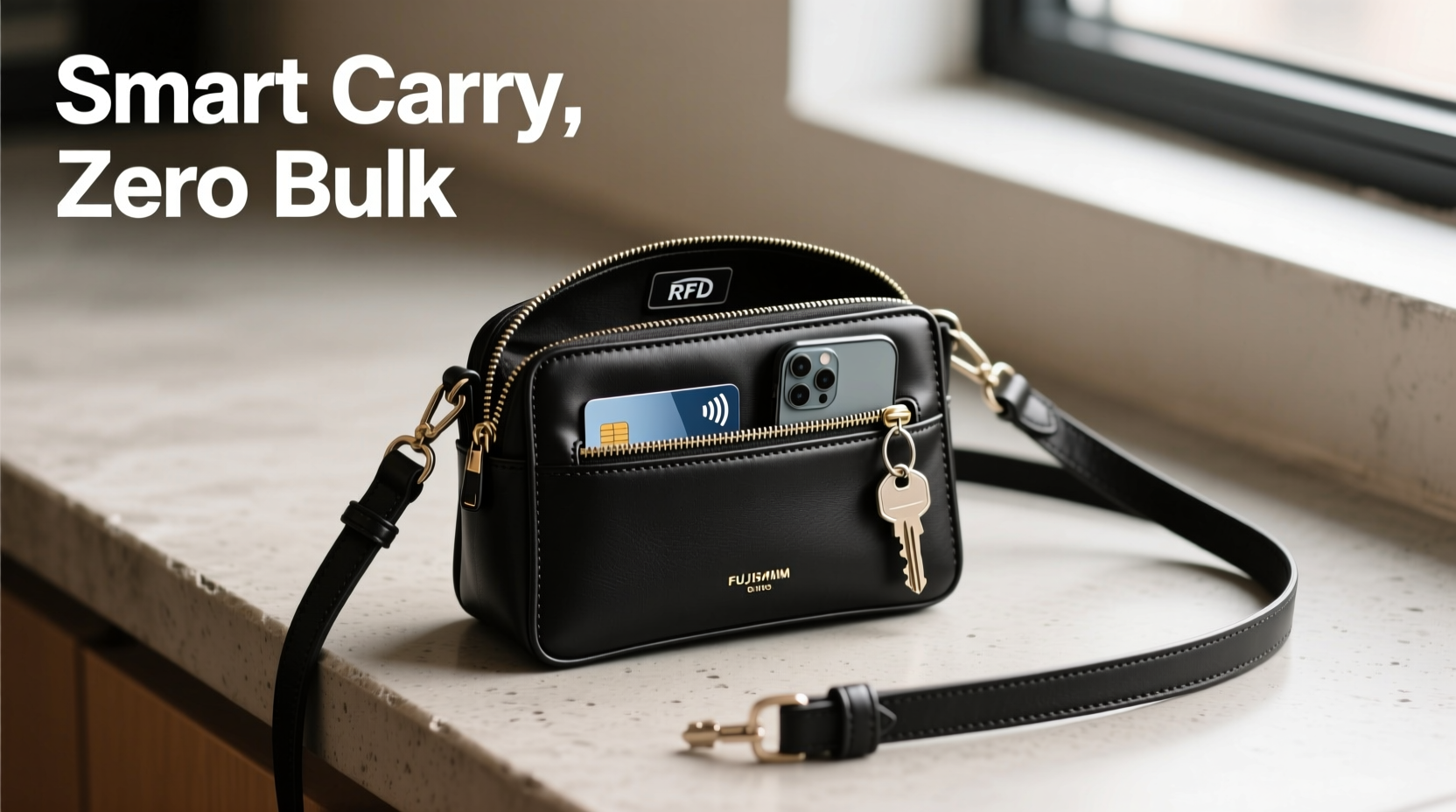
The foundation of smart mini-bag organization begins before you even pack. Most people overestimate what they need on a daily basis. A critical audit of your essentials helps eliminate redundancy and reduces clutter.
Start by listing every item you typically carry. Then, categorize them:
- Non-negotiables: Phone, ID, keys, payment method
- Situational items: Lip balm, hand sanitizer, tampons, pain relievers
- Optional extras: Notebook, extra jewelry, sunglasses
Challenge each item. Ask: “Have I used this in the past three days?” If not, consider leaving it behind or storing it elsewhere, like in a desk drawer or larger tote kept in the car.
Choose the Right Bag Structure
Not all mini bags are created equal. The internal architecture makes a significant difference in usability. When selecting or evaluating a mini handbag, prioritize design elements that support discreet functionality:
- Interior compartments: A zippered pocket for cards or cash keeps items secure and easy to find.
- Sturdy material: Structured bags hold their shape better, preventing items from sinking to the bottom.
- Closure type: Magnetic snaps or zippers offer better security than open-top designs.
- Adjustable strap: Allows crossbody wear, freeing hands while keeping the bag accessible and safe.
A well-structured mini bag isn’t just about aesthetics—it creates usable zones within limited space, making retrieval faster and reducing the need to dig around.
“Functionality doesn’t have to be sacrificed for fashion. The best mini bags are designed with hidden pockets and smart linings that serve real needs.” — Lena Torres, Accessory Designer at Urban Silhouette
Smart Packing: The Layered Approach
Efficient packing in a mini handbag follows a layered strategy—each item serves multiple purposes or fits within a specific organizational tier. Think vertically: base layer, mid-layer, and quick-access top layer.
Step-by-Step Guide: How to Pack Your Mini Bag
- Base Layer – Heaviest & Least Used Items: Place your phone and wallet here. These are essential but don’t need constant access.
- Mid-Layer – Compact Multi-Use Tools: Stack flat items like folded tissues, a slim cardholder, or a folded emergency cash bill.
- Top Layer – Frequently Used Essentials: Keep lip balm, hand sanitizer, or breath mints in a small pouch near the top for instant access.
- External Attachments – Hidden Extras: Use a detachable key leash or a micro charm that doubles as a USB drive or pill case.
- Final Check: Close the bag. If it strains or won’t zip, remove one non-critical item.
This system prevents disorganization and ensures that nothing gets lost in the depths of your bag. It also trains you to think in terms of priority and frequency, which naturally leads to minimalism.
Miniaturize and Consolidate
One of the most effective strategies for fitting more into less is downsizing the items themselves. Advances in product design now allow for travel-sized, foldable, or multi-functional versions of everyday essentials.
| Standard Item | Mini Alternative | Space Saved |
|---|---|---|
| Full-size lipstick | Lip stain in rollerball format | 60% |
| Bulk hand sanitizer bottle | Foldable silicone travel tube (5ml) | 75% |
| Traditional wallet | Horizontal RFID-blocking card sleeve (holds 4–6 cards + cash) | 50% |
| Full mirror | Keychain-sized concave/convex flip mirror | 80% |
| House keys on large ring | Stackable key capsule or magnetic key holder | 40% |
Consolidation goes beyond size. Consider products that serve dual purposes. For instance, tinted lip balm replaces both moisturizer and color. A credit card-sized portable charger can revive your phone in a pinch without adding bulk.
Real-World Example: Emma’s Work-to-Dinner Transition
Emma, a marketing executive in Chicago, uses a structured mini satchel measuring just 7” x 5” for her daily commute and evening events. Her goal: transition seamlessly from office meetings to client dinners without switching bags.
Her essentials include:
- Phone (slim case with battery boost)
- Folded cardholder with 3 cards and emergency $20 bill
- Mini hand sanitizer (attached via tiny carabiner to zipper pull)
- Tinted lip gloss in a 5ml tube
- Foldable reading glasses (in soft case)
- Keys stored in a flat titanium capsule
She places the phone and cardholder at the base, folds the glasses on top, then adds the sanitizer and lip gloss in a mesh inner pocket. The key capsule clips externally but lies flush against the bag, appearing decorative rather than utilitarian.
When dinner plans arise, she removes her reading glasses and swaps lip gloss for a deeper shade stored in her desk drawer. No repacking, no stress—just a smooth transition powered by foresight and precision.
Essential Checklist: Mini Bag Optimization
Use this checklist weekly to ensure your mini bag remains efficient and functional:
- ✅ Audit contents: Remove unused or expired items
- ✅ Verify phone charge: Carry a micro power bank if needed
- ✅ Refresh hygiene items: Replace dried-out sanitizer or empty lip balm
- ✅ Check security: Ensure zippers and closures work smoothly
- ✅ Test accessibility: Can you retrieve your card or phone in under 5 seconds?
- ✅ Evaluate weight: If the bag feels heavy, reduce load
- ✅ Confirm weather readiness: Add a foldable umbrella or sunscreen as needed
Regular maintenance prevents accumulation and keeps your bag functioning optimally. Think of it like digital housekeeping—small efforts prevent big problems later.
Avoid Common Pitfalls
Even experienced organizers fall into traps when managing small spaces. Here are the most frequent mistakes and how to avoid them:
| Do’s | Don’ts |
|---|---|
| Use slim, rigid cardholders instead of bulky wallets | Don’t overload with loose coins or excess cards |
| Attach frequently used items to zipper pulls | Don’t let dangling charms interfere with closure |
| Carry a foldable reusable bag inside for unexpected purchases | Don’t assume you’ll “only be gone a minute” without essentials |
| Label small pouches with tape or tags (e.g., “Meds,” “Cables”) | Don’t mix unrelated items in one compartment |
| Keep a backup plan (e.g., digital copies of ID, saved ride-share app) | Don’t rely solely on physical items—digitize where possible |
Discretion isn’t just about appearance—it’s also about confidence. When you know exactly where everything is, you avoid rummaging in public, which preserves both privacy and poise.
Frequently Asked Questions
Can I realistically carry my essentials in a mini bag every day?
Yes—but with intention. Most people use fewer than ten items daily. By curating your load and using compact alternatives, a mini bag can handle core needs. Reserve bulkier items for a secondary bag or storage location.
How do I keep track of small items like pills or hairpins?
Use dedicated micro-pouches made from soft silicone or fabric. Label them clearly and assign a fixed spot in your bag. Alternatively, invest in a modular insert with divided sections tailored to your needs.
What if I need to carry a larger item unexpectedly, like a tablet or umbrella?
Plan ahead. Keep a foldable tote in your coat pocket or car. Many ultra-light shopping bags weigh less than an ounce and expand to carry several pounds. This hybrid approach gives you flexibility without compromising your primary bag’s purpose.
Final Thoughts: Less Is More, But Only If It’s Smart
The appeal of the mini handbag isn’t just aesthetic—it’s philosophical. It forces a mindset shift from accumulation to intentionality. Carrying less doesn’t mean being unprepared; it means being precise. Every item earns its place through necessity, utility, or emotional value.
Discreet organization isn’t about hiding things—it’s about mastering control. When your essentials are thoughtfully arranged, you move through the world with greater ease, confidence, and grace. You’re not fumbling for your card at the register or patting your pockets for your phone. Instead, you’re present, composed, and ready.




 浙公网安备
33010002000092号
浙公网安备
33010002000092号 浙B2-20120091-4
Comments
No comments yet. Why don't you start the discussion?