
For cat owners with more than one feline companion, managing multiple litter boxes is a necessity—but it doesn’t have to mean sacrificing style or comfort in your home. While the standard advice is one box per cat plus one extra, finding space for several boxes without creating an eyesore or odor issue can be challenging. The key lies not in avoiding the need, but in integrating litter boxes seamlessly into your living environment. With thoughtful placement, smart furniture choices, and consistent maintenance, you can maintain a clean, odor-free home that both you and your cats enjoy.
Why Multiple Litter Boxes Are Essential
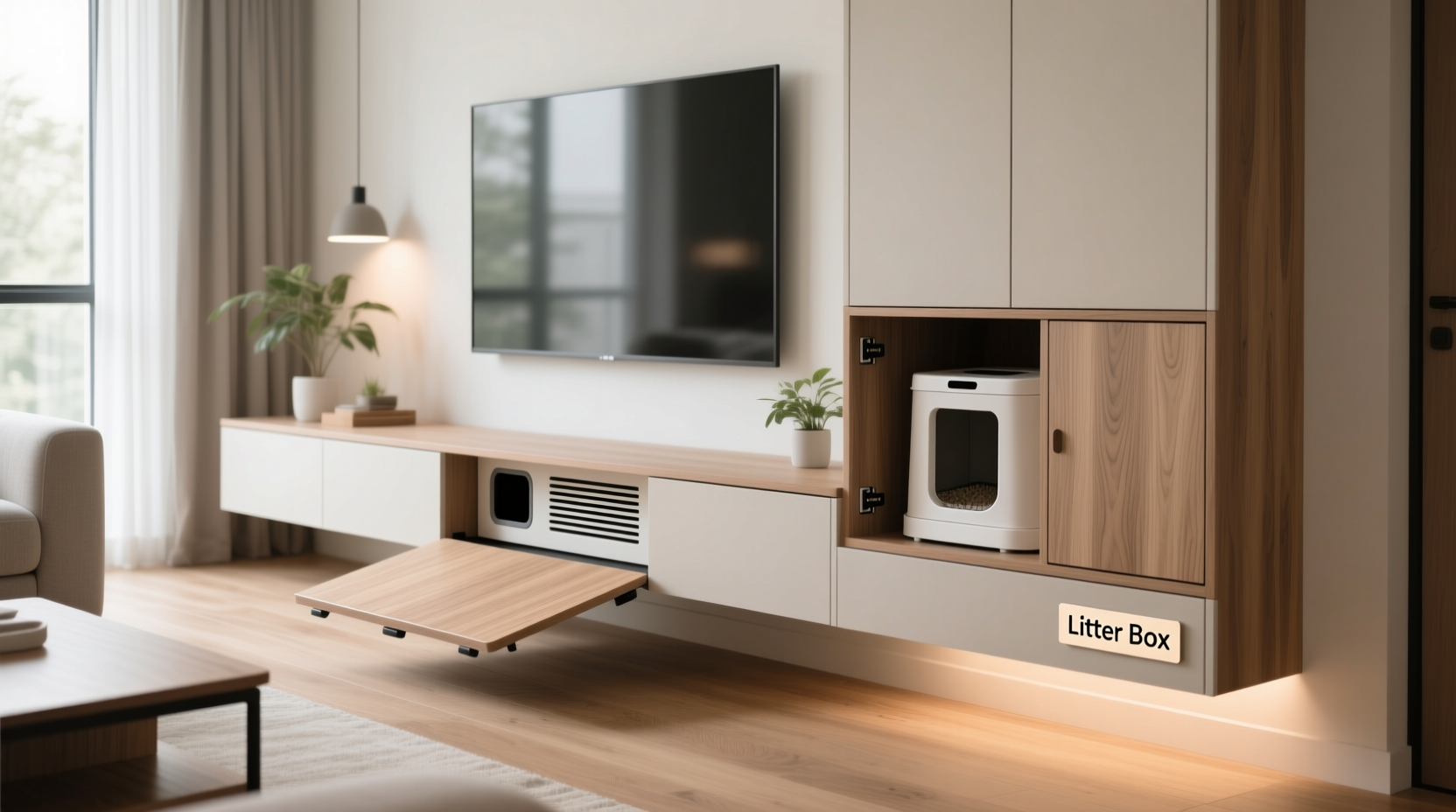
Cats are naturally clean animals with strong territorial instincts. Providing multiple litter boxes reduces stress, prevents inappropriate elimination, and supports better hygiene. Veterinary behaviorists, including those from the American Association of Feline Practitioners, recommend at least one box per cat plus an additional one to prevent competition and ensure accessibility. However, placing these boxes openly—especially in high-traffic areas—can lead to aesthetic and olfactory concerns.
The goal isn't to eliminate litter boxes, but to make them as unobtrusive and efficient as possible. This means combining strategic placement, odor control, and design integration.
Smart Placement Strategies for Multiple Boxes
Location is everything when hiding litter boxes effectively. Avoid cramming all boxes into one small space like a laundry room, as this can overwhelm the area with odor and deter cats from using them. Instead, distribute boxes thoughtfully throughout the house.
- One per floor: In multi-level homes, place at least one box on each level to ensure easy access, especially for older or less mobile cats.
- Near private zones: Bedrooms, home offices, or spare bathrooms (if unused) offer privacy and lower foot traffic.
- Avoid kitchens and dining areas: Even if hidden, proximity to food prep zones raises hygiene concerns and may affect air quality perception.
- Use underutilized corners: Unused nooks under staircases, behind doors, or beside built-in shelves can become functional spaces.
“Cats prefer their litter boxes in calm, predictable locations. A hidden spot is only effective if it still feels safe and accessible to the cat.” — Dr. Sarah Thompson, DVM, Feline Behavior Consultant
Furniture Solutions That Hide Litter Boxes in Style
Today’s market offers numerous furniture pieces designed specifically to conceal litter boxes without compromising function. These range from ready-made enclosures to custom-built cabinetry. The best options combine ventilation, ease of cleaning, and visual appeal.
| Solution | Pros | Cons |
|---|---|---|
| Litter Box Enclosures (e.g., Kritterville, Modkat) | Stylish, ventilated, easy to assemble | Limited size; may trap odors if not cleaned frequently |
| Custom Cabinet Integration | Fully matches home decor; hides box completely | Higher cost; requires professional installation |
| Repurposed Furniture (dressers, sideboards) | Budget-friendly; creative reuse | May lack proper airflow; modifications needed |
| Wall-Mounted Litter Stations | Saves floor space; modern look | Only suitable for smaller cats; limited capacity |
When modifying furniture, always include ventilation—drill small holes near the top or install a discreet fan system. Access should be easy for cleaning but not so open that odor escapes freely. Consider adding a swinging door or fabric curtain for privacy without blocking airflow.
Odor Control: The Hidden Half of Discretion
No matter how well a litter box is hidden, poor odor control will give it away. Effective odor management starts with the right products and daily habits.
- Choose low-dust, clumping, odor-controlling litter: Brands with activated charcoal or baking soda additives significantly reduce ammonia smells.
- Scoop daily: Removing waste every 24 hours prevents bacterial buildup and minimizes odor at the source.
- Replace litter weekly: Even if it looks clean, old litter absorbs moisture and volatile compounds over time.
- Wash boxes monthly: Use mild soap and warm water—avoid harsh chemicals that can linger and repel cats.
- Use air purifiers: Place HEPA-filter air purifiers near litter zones to capture airborne particles and neutralize smells.
Mini Case Study: The Urban Apartment Solution
Maria, a cat owner in a 750-square-foot downtown apartment, shares her experience: “I have two cats and was struggling with two litter boxes in my tiny bathroom. The smell was noticeable even with daily scooping. I moved one box into a repurposed linen closet by cutting a cat-sized entry on the side and installing a small exhaust fan. I kept the second in a decorative enclosure tucked behind a room divider in the bedroom. Both are out of sight, and with premium litter and a mini air purifier, there’s no odor. My guests never know they’re here.”
Her solution highlights how small-space living doesn’t have to compromise cleanliness or discretion—with creativity and planning, even tight quarters can accommodate multiple litter stations.
Step-by-Step Guide to Setting Up Discreet Litter Zones
Follow this sequence to integrate multiple litter boxes seamlessly into your home:
- Assess your space: Identify quiet, accessible areas on each floor, avoiding high-humidity zones like bathrooms.
- Select furniture or enclosures: Choose designs that match your décor and allow for ventilation and easy access.
- Modify as needed: Cut entry points, add airflow, or install lighting for dark spaces.
- Position boxes inside: Ensure enough room around the box for your cat to turn around comfortably.
- Test usability: Let your cats explore the new setup. Monitor usage—if one avoids it, adjust location or design.
- Implement odor controls: Add litter deodorizer, air purifier, and establish a cleaning schedule.
- Maintain consistently: Stick to daily scooping and regular deep cleaning to prevent odor buildup.
Common Mistakes to Avoid
- Hiding boxes too well: If the entrance is difficult or the space feels enclosed, cats may avoid it.
- Using scented litters: Artificial fragrances can irritate cats’ sensitive noses and cause litter box aversion.
- Placing boxes too close together: Cats may see clustered boxes as a single unit, defeating the purpose of having multiples.
- Ignoring ventilation: Poor airflow traps ammonia, which is harmful to both cats and humans over time.
- Choosing inaccessible locations: Basements, garages, or rooms with closed doors limit access and reduce usage.
FAQ
Can I put a litter box in a closet?
Yes, but only if modified properly. Remove the door or replace it with a curtain, cut a cat entry hole, and ensure ventilation via passive vents or a small fan. Keep the space clean and monitor humidity levels to prevent mold.
How do I stop the smell from spreading through vents?
Avoid placing litter boxes directly under HVAC vents, which can circulate odors. Use air purifiers with carbon filters nearby, and consider sealing gaps around doors in litter rooms to contain airflow.
Is it okay to use covered litter boxes in hidden enclosures?
Covered boxes can help contain odor and litter scatter, but they also trap smells inside, which may discourage some cats. If used, scoop more frequently and ensure the enclosure has excellent ventilation.
Checklist: Creating Your Discreet Litter System
- ☐ Determine number of boxes needed (cats + 1)
- ☐ Select quiet, accessible locations on different floors
- ☐ Choose or build furniture enclosures with ventilation
- ☐ Install air purifiers near litter zones
- ☐ Use unscented, clumping litter with odor control
- ☐ Set a daily scooping routine
- ☐ Schedule monthly box washes
- ☐ Monitor cat usage and adjust as needed
Conclusion
Managing multiple cat litter boxes discreetly is entirely achievable with the right approach. By combining strategic placement, smart furniture integration, and rigorous odor control, you can maintain a clean, fresh-smelling home that respects both your lifestyle and your cats’ needs. The goal isn’t to hide evidence of pet ownership, but to harmonize functionality with design. When done well, your litter solutions become invisible—not because they’re concealed, but because they’re seamlessly part of your home.




 浙公网安备
33010002000092号
浙公网安备
33010002000092号 浙B2-20120091-4
Comments
No comments yet. Why don't you start the discussion?