
Plush toys are more than just playthings—they’re companions, confidants, and comforters for children of all ages. But because they’re frequently hugged, kissed, and dragged across floors, they accumulate germs, dust mites, and allergens. Regular cleaning is essential, especially during cold and flu season or after a child has been ill. The challenge? Disinfecting them effectively without compromising their softness, color, or structural integrity. Many parents hesitate to clean plush toys, fearing shrinkage, stiffness, or fading. This guide provides practical, science-backed methods to safely sanitize stuffed animals while preserving their cuddly appeal.
Why Plush Toys Need Regular Disinfection
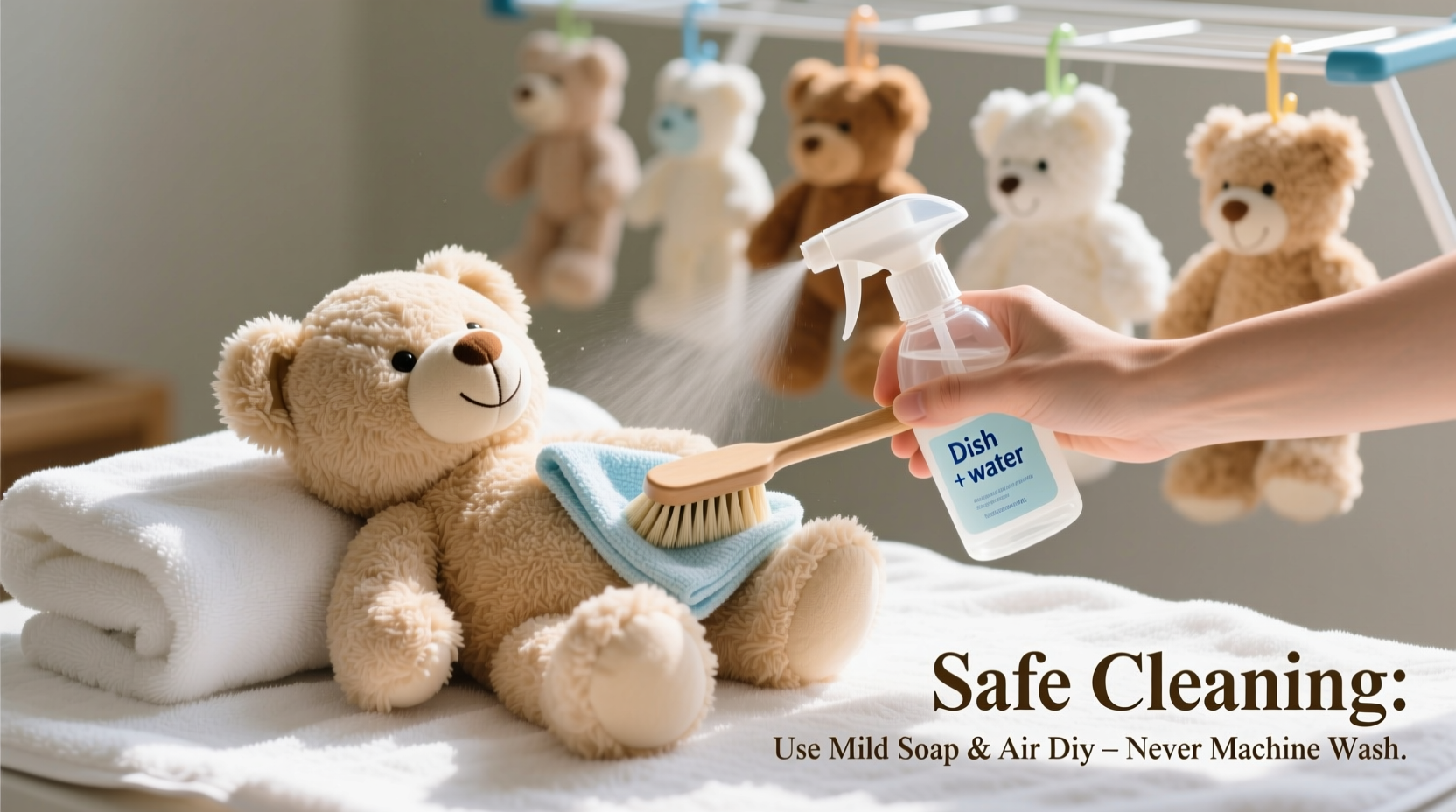
Children interact with plush toys in intimate ways—sleeping with them, holding them during meals, even using them as makeshift pillows. Studies from the American Academy of Pediatrics show that soft toys can harbor bacteria such as *Staphylococcus aureus*, *E. coli*, and respiratory viruses for up to 48 hours on fabric surfaces. Dust mites thrive in the fibers, especially in warm, humid environments, potentially triggering allergies or asthma.
Unlike hard-surfaced toys, plush items absorb moisture and oils from skin, making them breeding grounds for microbes. Yet, excessive washing or harsh chemicals can degrade synthetic fibers, weaken seams, or cause stuffing to clump. The goal isn’t just cleanliness—it’s hygiene without sacrifice.
“Parents often overlook plush toys when sanitizing, but they can carry more germs than pacifiers or sippy cups due to infrequent cleaning.” — Dr. Lena Torres, Pediatric Infectious Disease Specialist
Step-by-Step Guide: How to Safely Disinfect Plush Toys
The safest method depends on the toy’s material, construction, and care label. Follow this five-step process to ensure thorough yet gentle disinfection:
- Check the Care Label: Look for symbols or instructions indicating whether the toy is machine washable, hand-wash only, or dry-clean recommended. When in doubt, assume it’s delicate.
- Pre-Treat Stains and Soiled Areas: Use a damp microfiber cloth with a drop of mild detergent to gently dab at visible stains. Avoid vigorous rubbing, which can damage fibers.
- Choose a Disinfection Method: Select one of the safe techniques outlined below based on the toy’s structure and your household needs.
- Dry Thoroughly and Gently: Air-drying is best. Press out excess water without wringing, then lay flat on a clean towel away from direct sunlight.
- Fluff and Restore Softness : Once dry, gently massage the toy to redistribute stuffing and revive its shape and texture.
Gentle Cleaning Methods That Preserve Softness
Not all disinfectants are created equal. Harsh chemicals like bleach or ammonia may kill germs but leave fabrics brittle and stiff. Below are four proven methods that balance safety, effectiveness, and fabric preservation.
1. Cold Water Machine Wash (For Durable, Sewn-Together Toys)
If the care label permits machine washing, use the gentle cycle with cold water and a mild, fragrance-free detergent. Place the toy in a mesh laundry bag to reduce friction. Add ½ cup of white vinegar to the rinse cycle to naturally deodorize and soften fibers. Do not use fabric softener—it coats fibers and traps allergens.
2. Hand Washing with Oxygen-Based Cleaner
For older or sentimental plush toys, hand washing offers maximum control. Fill a basin with cool water and dissolve one scoop of oxygen-based cleaner (like OxiClean Baby Stain Remover). Submerge the toy for 15–30 minutes. Gently press the fabric to release dirt, then rinse thoroughly with clean water. This method lifts stains and kills bacteria without chlorine.
3. Steam Sanitization (Ideal for Non-Washable Toys)
A handheld garment steamer can eliminate 99.9% of bacteria and dust mites without wetting the toy excessively. Hold the steamer nozzle 2–3 inches from the surface and move slowly over all areas, especially seams and crevices. Ensure the toy dries completely afterward by placing it near a fan.
4. Freezing Method (For Delicate or Vintage Plush)
Seal the toy in an airtight plastic bag and freeze for at least 24 hours. Freezing doesn’t kill all pathogens but effectively immobilizes dust mites and reduces microbial load. After thawing, air out the toy and lightly vacuum with a brush attachment to remove dead organisms.
| Method | Effective Against Germs? | Suitable For | Risk to Softness |
|---|---|---|---|
| Machine Wash (Cold, Gentle) | High | Modern, sturdy plush | Low (if done correctly) |
| Hand Wash + Oxygen Cleaner | High | Vintage, stained toys | Very Low |
| Steam Sanitizing | Medium-High | Non-washable, electronics | Negligible |
| Freezing | Low-Medium (mites only) | Fragile, heirloom plush | None |
What Not to Do: Common Mistakes That Ruin Plush Toys
Even with good intentions, improper techniques can permanently damage plush toys. Avoid these common errors:
- Using hot water: High temperatures can melt synthetic fibers, shrink stuffing, and fade colors.
- Tumble drying on high heat: This causes fiber breakdown and stuffing clumping. If using a dryer, select no heat or air-fluff with clean tennis balls to restore fluffiness.
- Applying bleach or strong disinfectants: These strip natural oils from fibers, leaving them rough and brittle.
- Wringing or twisting: This distorts the toy’s shape and stresses seams.
- Ignoring electronic components: Moisture can damage sound modules or pose electrical hazards.
Mini Case Study: Reviving a Heirloom Teddy Bear
Sarah, a mother of two in Portland, inherited her grandmother’s 50-year-old teddy bear—a cherished family keepsake passed down through generations. The bear had yellowed, smelled musty, and was covered in surface grime. She wanted to disinfect it for her daughter but feared destroying it.
She avoided machine washing and instead used the hand-wash method with oxygen cleaner. She soaked the bear for 20 minutes, rinsed carefully, and laid it flat on towels, reshaping the limbs. After 48 hours of air drying, she used a soft-bristle clothes brush to gently lift the matted fur. The result? A fresh, sanitized bear that retained its original softness and emotional value. “It looks almost new,” Sarah said. “And my daughter loves hugging it knowing it’s clean.”
Checklist: Safe Plush Toy Disinfection at Home
Follow this checklist before every cleaning session to protect both hygiene and fabric quality:
- ✅ Check for care labels and manufacturer instructions
- ✅ Remove batteries, tags, or removable clothing
- ✅ Inspect for loose seams or weak stitching
- ✅ Pre-treat stains with mild detergent and damp cloth
- ✅ Choose appropriate method: machine wash, hand wash, steam, or freeze
- ✅ Use only gentle, non-toxic cleaners (e.g., oxygen-based, white vinegar)
- ✅ Dry flat away from direct heat or sunlight
- ✅ Fluff and reshape once fully dry
- ✅ Store in a breathable cotton bag when not in use
“The key to longevity is gentle consistency. Clean plush toys monthly under normal conditions, and immediately after illness or exposure to dirt.” — Maria Kim, Textile Preservation Consultant
FAQ: Your Top Questions Answered
Can I use antibacterial wipes on plush toys?
No. Most wipes contain alcohol or quaternary ammonium compounds that can discolor fabric and leave residues. They also don’t penetrate deep into fibers where germs hide. If you must spot-clean, use a cloth dampened with soapy water, then air dry thoroughly.
How often should plush toys be disinfected?
Under regular use, sanitize every 4–6 weeks. During cold and flu season, or if a child is sick, clean weekly. Immediate cleaning is advised after exposure to pets, outdoor dirt, or spills involving food or bodily fluids.
Will vinegar damage the fabric or smell?
No. White vinegar is safe for most fabrics and acts as a natural deodorizer and mild disinfectant. The smell dissipates completely once the toy dries. It also helps break down soap residue that can make plush feel stiff.
Conclusion: Keep Cuddly Companions Clean and Comfortable
Disinfecting plush toys doesn’t have to mean sacrificing softness or sentimentality. With careful attention to materials, proper techniques, and gentle products, you can maintain both hygiene and huggability. Whether it’s a store-bought bunny or a decades-old heirloom, every plush deserves care that honors its role in emotional well-being. By integrating safe cleaning habits into your routine, you protect your child’s health and extend the life of beloved toys.




 浙公网安备
33010002000092号
浙公网安备
33010002000092号 浙B2-20120091-4
Comments
No comments yet. Why don't you start the discussion?