
Anime figures are more than collectibles—they’re expressions of passion, artistry, and fandom. Whether you’ve invested in limited-edition PVC statues or built a growing collection of scale models, preserving their appearance is essential. One of the most persistent challenges collectors face is dust accumulation. Over time, even a thin layer of dust can dull paintwork, obscure fine details, and make regular cleaning a tedious chore. The good news is that with thoughtful display strategies, protective measures, and consistent maintenance, it’s entirely possible to showcase your figures proudly while keeping dust at bay.
Choose the Right Display Environment
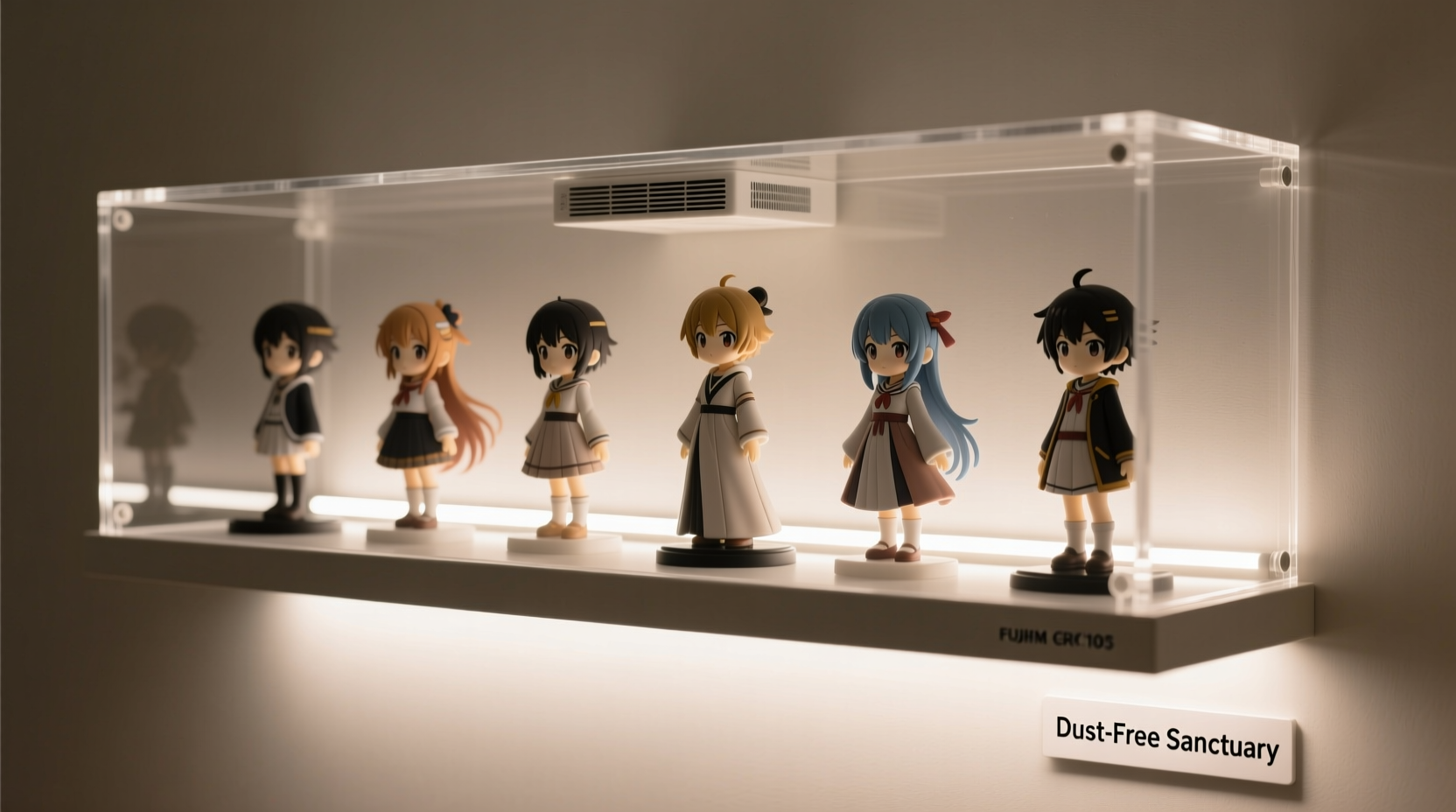
The location where you place your anime figures plays a critical role in how quickly dust settles on them. Dust isn’t just airborne—it’s carried by airflow, static electricity, and proximity to high-traffic areas. To minimize exposure, consider environmental factors before setting up your display.
Avoid placing shelves near windows, doorways, or vents where air currents stir up particles. Rooms like kitchens and bathrooms generate higher humidity and grease-laden air, which attract dust and may degrade figure materials over time. Instead, opt for climate-controlled spaces such as living rooms or dedicated display rooms with minimal foot traffic.
Additionally, natural sunlight may seem ideal for showcasing vibrant colors, but UV rays can cause fading and material degradation in plastic and paint. Use indirect lighting or LED strips designed for display cases to highlight your figures without exposing them to harmful radiation.
Use Enclosed Display Cases Strategically
One of the most effective defenses against dust is physical enclosure. Glass or acrylic display cabinets act as a barrier, significantly reducing the amount of particulate matter that reaches your figures. However, not all cases are created equal—design and material choice impact both protection and visual appeal.
Full-glass curio cabinets with tight-sealing doors offer excellent dust resistance. Look for models with gasket seals around the edges to prevent fine particles from seeping in through gaps. Acrylic cases are lighter and less prone to breakage, but they can develop static charges that attract dust unless treated with anti-static sprays.
“Enclosure is the single most impactful step collectors can take to reduce maintenance frequency. A well-sealed case cuts dust accumulation by over 80%.” — Hiroshi Tanaka, Collector & Display Consultant, Tokyo Figure Preservation Society
When selecting a case, ensure there’s enough internal space to allow for easy cleaning and rotation. Cramped conditions make it harder to wipe surfaces and increase the risk of accidental damage during maintenance.
Do’s and Don’ts of Display Case Selection
| Do’s | Don’ts |
|---|---|
| Choose cases with removable shelves for flexible arrangement | Avoid overly small cabinets that limit airflow and access |
| Opt for low-iron glass to reduce glare and color distortion | Don’t use wooden cases without sealed finishes—wood sheds fibers |
| Install soft-close hinges to prevent vibration damage | Avoid cases with mesh or perforated backs—they let dust in |
| Include ventilation filters if housing electronics (e.g., LEDs) | Never place unsealed foam inside—off-gassing harms paint finishes |
Implement Smart Cleaning Routines
No system eliminates dust completely—some level of maintenance is inevitable. The key is making cleaning efficient, safe, and infrequent. Regular dusting with improper tools can scratch delicate surfaces or dislodge fragile parts. A structured cleaning approach prevents damage while maximizing cleanliness.
Start by assessing how often cleaning is needed. In a controlled environment with enclosed cases, quarterly maintenance may suffice. Open shelves in dusty environments might require monthly attention. Use this timeline to establish a sustainable rhythm.
Step-by-Step Cleaning Process
- Power down and remove lighting: If using internal LEDs, turn them off and disconnect power to avoid electrical hazards during cleaning.
- Open cabinet carefully: Avoid bumping shelves or knocking figures over when accessing the interior.
- Dust with a microfiber brush or electrostatic duster: Gently sweep across surfaces, starting from the top down. These tools lift dust without scratching.
- Use compressed air sparingly: For hard-to-reach crevices (e.g., between hair strands or armor joints), short bursts of canned air work well—but hold cans upright to avoid propellant residue.
- Wipe base and shelf surfaces: Use a slightly damp microfiber cloth on non-figure areas. Never apply moisture directly to figures.
- Inspect for wear: Check for loose parts, fading, or signs of pest activity (rare but possible in organic materials).
- Close and re-light: Once complete, seal the case and restore lighting.
Adopt Proactive Dust-Reduction Habits
Beyond equipment and routines, daily habits shape long-term preservation. Simple behavioral changes in your home or workspace can dramatically reduce ambient dust levels.
Regular vacuuming with a HEPA filter captures microscopic particles before they settle. Consider placing an air purifier near your display area—units with true HEPA and activated carbon filters trap allergens, smoke, and textile fibers that contribute to grime buildup.
If you live in a dry or arid climate, static electricity becomes a major issue. Anti-static sprays formulated for electronics or display cases can be lightly applied to interior surfaces (not the figures themselves) to reduce particle adhesion. Alternatively, a small humidifier set to 40–50% relative humidity helps neutralize static without risking mold growth.
Real Example: A Collector’s Transformation
Maya, a collector from Osaka, once spent hours every weekend dusting her open-shelf anime display. Despite frequent cleaning, she noticed fingerprints, smudges, and a persistent haze on glossy finishes. After moving her collection into a custom-built glass case with magnetic closure and installing a compact air purifier nearby, she reduced cleaning frequency to once every three months. More importantly, the figures retained their showroom luster. “It’s not just about saving time,” she says. “It’s about respecting the craftsmanship. Now I can enjoy them without worrying about deterioration.”
Essential Maintenance Checklist
- ✅ Evaluate display location for airflow, sunlight, and foot traffic
- ✅ Invest in a sealed glass or acrylic display case with gaskets
- ✅ Install LED lighting that doesn’t emit heat or UV
- ✅ Set a cleaning schedule based on environment (monthly to quarterly)
- ✅ Use only microfiber cloths, soft brushes, or compressed air for cleaning
- ✅ Keep an air purifier running near the display area if possible
- ✅ Inspect figures periodically for loose parts or surface damage
- ✅ Avoid touching figures with bare hands—oils accelerate dust adhesion
- ✅ Rotate figures seasonally to reduce prolonged exposure to one position
- ✅ Store extra figures in original boxes with silica gel packs
Frequently Asked Questions
Can I use a regular household duster on anime figures?
No. Feather or synthetic bristle dusters can be too abrasive or leave behind fibers. They also tend to push dust around rather than capture it. Use a microfiber cloth or a specialized electronics brush instead.
Are acrylic display cases better than glass?
Each has pros and cons. Acrylic is lightweight and shatter-resistant but scratches more easily and builds static. Glass is heavier and more fragile but offers superior clarity and scratch resistance. For long-term display, tempered glass with anti-reflective coating is often preferred by serious collectors.
How do I prevent yellowing in older PVC figures?
Yellowing is typically caused by UV exposure and heat. Store figures away from direct sunlight and avoid placing them near radiators or lamps. Some collectors use UV-filtering film on windows or display lights to add an extra layer of protection.
Final Thoughts: Preserve Passion with Purpose
Your anime figures represent more than aesthetic value—they reflect personal milestones, emotional connections, and artistic appreciation. Protecting them from dust isn’t merely about cleanliness; it’s about honoring the care that went into their creation. By combining smart display solutions, disciplined maintenance, and environmental awareness, you create a space where your collection thrives without becoming a burden.
Start small: assess your current setup, identify the dustiest zones, and implement one improvement this week. Whether it’s adding a case, switching to microfiber tools, or relocating a shelf, each step brings you closer to a pristine, enduring display.




 浙公网安备
33010002000092号
浙公网安备
33010002000092号 浙B2-20120091-4
Comments
No comments yet. Why don't you start the discussion?