
The bent over row is one of the most effective compound exercises for building upper back strength, improving posture, and enhancing overall pulling power. When performed correctly, it targets the lats, rhomboids, rear delts, traps, and even engages the biceps and core. However, poor form can lead to lower back strain, reduced muscle activation, and long-term injury risk. Understanding proper technique and avoiding common errors is essential for maximizing gains while staying safe.
Step-by-Step Guide to Proper Bent Over Row Form
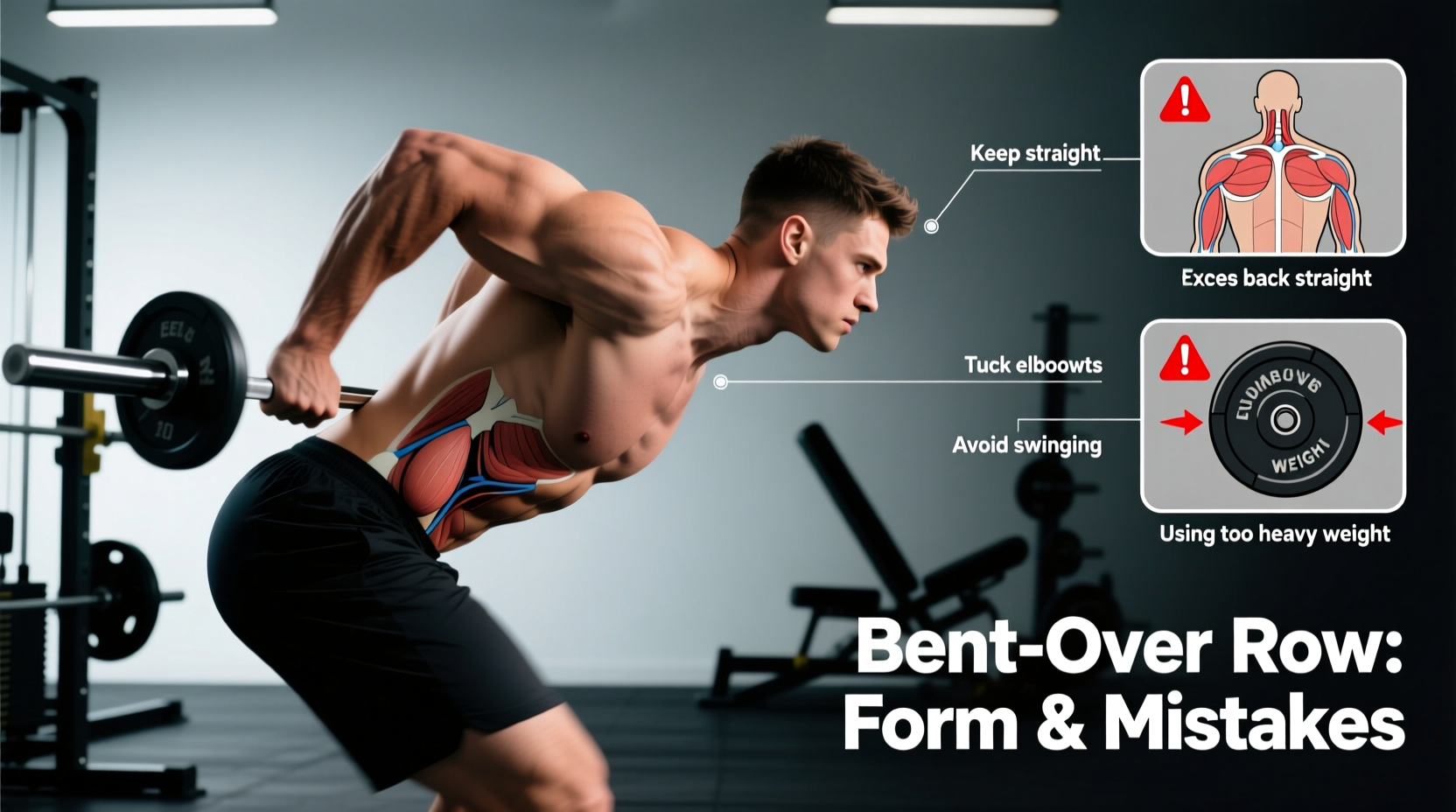
Executing the bent over row with precision ensures optimal muscle engagement and minimizes joint stress. Follow this detailed sequence whether you're using a barbell, dumbbells, or cables.
- Set Your Stance: Stand with feet shoulder-width apart, knees slightly bent. Keep your weight evenly distributed across the midfoot.
- Hinge at the Hips: Push your hips back as if closing a car door with your glutes. Maintain a neutral spine—avoid rounding or overarching your back.
- Grip the Bar: For a barbell row, use an overhand grip just wider than shoulder width. Dumbbell rows allow a neutral grip, which may be easier on the wrists.
- Initiate the Pull: With arms extended, pull the weight toward your lower ribcage by driving elbows backward and squeezing the shoulder blades together.
- Control the Descent: Lower the weight slowly with control, maintaining tension in the back muscles. Do not let momentum take over.
- Breathe Correctly: Exhale during the concentric (pulling) phase, inhale during the eccentric (lowering) phase.
Key Form Tips for Maximum Effectiveness
Even small adjustments can dramatically improve performance and safety. These evidence-based tips help refine your technique.
- Maintain a Neutral Spine: The most critical aspect of the movement. Use a mirror or ask a trainer to check your alignment. A slight forward lean is acceptable, but never round the back.
- Engage Your Core: Brace your abs as if preparing for a punch. This stabilizes the torso and protects the lumbar spine.
- Keep Elbows Close: Flaring elbows excessively shifts focus to the rear delts and reduces lat activation. Aim for a 45–75 degree angle relative to the torso.
- Use a Controlled Tempo: Aim for a 2-second pull and a 3-second descent. Fast, jerky motions increase injury risk and reduce time under tension.
- Avoid Overarching at the Top: Some lifters hyperextend their lower back at the peak contraction. Instead, focus on retracting the scapulae without thrusting the chest forward excessively.
“Form quality trumps load every time in the bent over row. A lighter weight with strict technique builds more functional strength and resilience.” — Dr. Jordan Lee, CSCS, Sports Biomechanist
Common Mistakes and How to Fix Them
Many lifters unknowingly compromise their results and safety. Recognizing these errors is the first step toward correction.
| Mistake | Why It’s Harmful | Solution |
|---|---|---|
| Rounding the lower back | Increases disc pressure and risk of herniation | Practice hip hinges without weight; use a stick along the spine to maintain contact at head, thoracic, and sacrum |
| Lifting with the arms instead of the back | Shifts work away from target muscles, leading to bicep strain | Focus on “driving elbows to the ceiling” and feel the upper back squeeze |
| Using too much weight | Compromises form, encourages momentum | Reduce load by 20–30% and prioritize control and muscle connection |
| Shrugging shoulders during the pull | Overactivates traps, limits scapular retraction | Start with shoulders down and back; think “pocket the shoulder blades” |
| Not hinging enough at the hips | Turns the movement into a standing row, increasing shear force on the spine | Ensure torso is at least 45 degrees to the floor; increase hinge depth gradually |
Real-World Example: From Back Pain to Strength Gains
Mark, a 34-year-old software developer, began experiencing lower back discomfort after months of heavy barbell rows. He assumed he needed more core work—until a corrective exercise specialist reviewed his form. Video analysis revealed excessive spinal flexion and reliance on momentum. After switching to moderate-weight dumbbell rows with a strict hip hinge and tempo control, Mark eliminated his pain within four weeks. His back thickness improved noticeably, and he reported better posture at his desk job. The change wasn’t in volume or frequency—it was in precision.
Checklist: Pre-Lift Form Validation
Before each set, run through this quick checklist to ensure readiness:
- ✅ Feet shoulder-width apart, knees soft
- ✅ Spine neutral from neck to pelvis
- ✅ Shoulders packed down and back
- ✅ Core braced (engage abs like you’re about to be punched)
- ✅ Gaze slightly forward, neck in line with spine
- ✅ Weight balanced over midfoot
- ✅ Starting range allows full stretch without compromising posture
Frequently Asked Questions
Can I do bent over rows if I have lower back issues?
If you have a history of back pain, consult a physical therapist before performing bent over rows. In many cases, alternatives like seated cable rows, inverted rows, or chest-supported T-bar rows provide similar benefits with less spinal loading. If cleared, use lighter weights, emphasize form, and consider wearing a weightlifting belt for added proprioceptive feedback.
Barbell vs. Dumbbell Rows: Which is better?
Both are effective, but serve slightly different purposes. Barbell rows allow heavier loads and greater systemic strength development. Dumbbell rows offer unilateral training, helping correct imbalances and allowing a greater range of motion. Many advanced lifters incorporate both into their programs—barbell for strength phases, dumbbells for hypertrophy or rehabilitation.
How low should my torso be during the row?
Your torso angle depends on mobility and goals. Most lifters achieve optimal back engagement at a 45-degree incline. More upright positions reduce posterior chain involvement; too horizontal increases shear forces. Find the angle where you can maintain a neutral spine throughout the full range of motion.
Final Thoughts and Call to Action
The bent over row is a cornerstone of any serious strength or physique-building program. But its effectiveness hinges entirely on execution. Mastering the movement pattern—not chasing the heaviest weight—leads to lasting progress, reduced injury risk, and a more powerful, resilient body. Whether you're a beginner learning the hip hinge or an experienced lifter refining technique, revisiting the fundamentals pays dividends.




 浙公网安备
33010002000092号
浙公网安备
33010002000092号 浙B2-20120091-4
Comments
No comments yet. Why don't you start the discussion?