
Music has the power to transform a simple video into an emotional experience. Whether you're editing a travel montage, a wedding highlight, or a social media reel, pairing visuals with the right song can elevate the entire production. The good news? You don’t need expensive software or years of editing experience to seamlessly integrate your favorite track into a video. With accessible tools and smart techniques, anyone can achieve professional-sounding results in minutes.
Why Music Matters in Video Editing
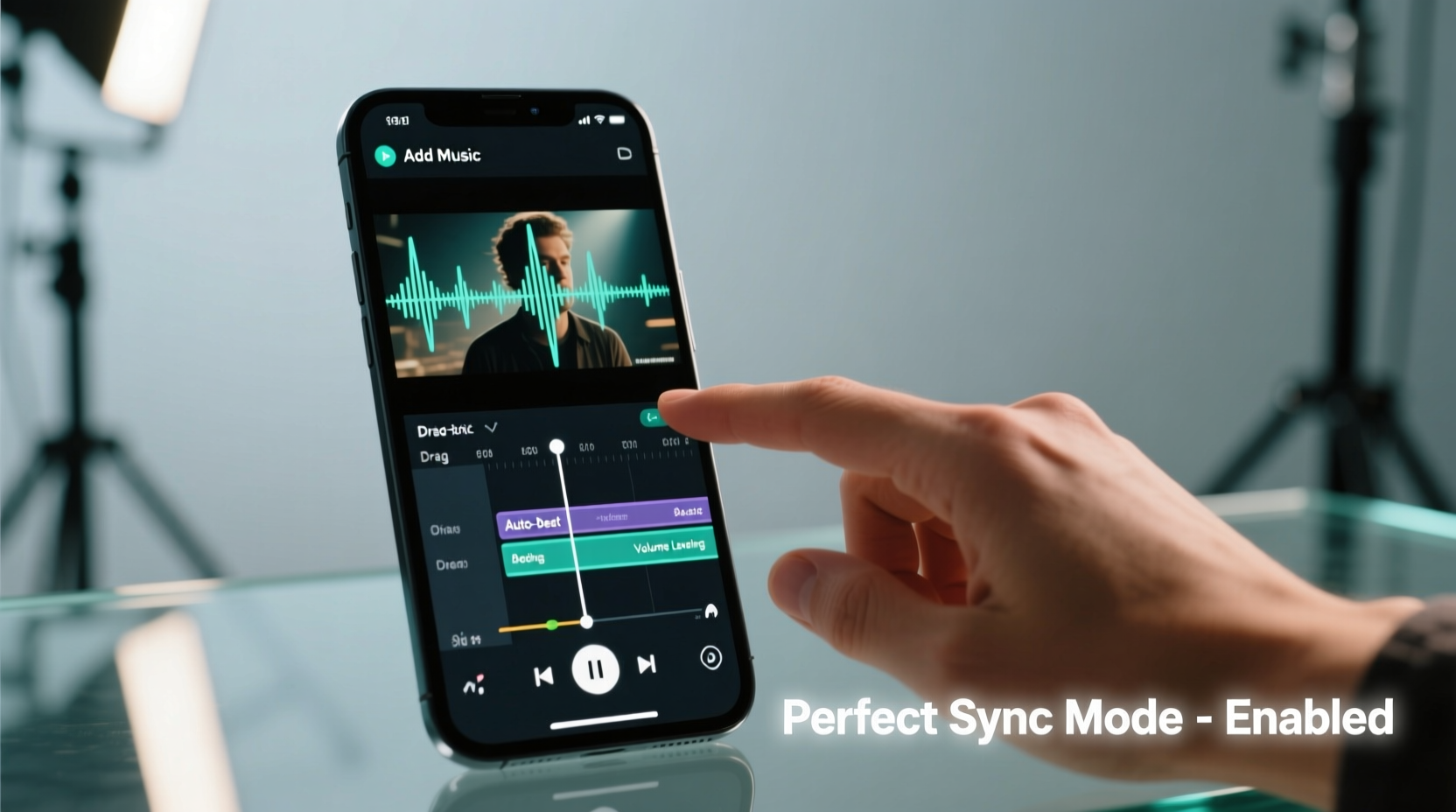
The right soundtrack does more than fill silence—it sets tone, pace, and mood. A slow piano melody can make a sunset clip feel nostalgic, while an upbeat pop track can turn a mundane walk through the city into a vibrant story. According to research from the University of California, music influences how viewers interpret visual content by up to 40%. This means that even if your footage is average, a well-chosen song can significantly enhance its perceived quality.
But syncing audio isn’t just about dragging a file into an editor. True integration involves timing, volume balancing, fade effects, and legal considerations. Done poorly, mismatched audio distracts; done well, it feels invisible—like it was always meant to be there.
“Audio makes or breaks a video. Viewers will forgive shaky footage, but rarely poor sound.” — Jordan Lee, Professional Video Editor & Content Creator
Step-by-Step Guide: Adding Your Favorite Song to Any Video
Follow this structured process to embed music smoothly and effectively:
- Select the Right Track: Choose a song that matches the emotion and rhythm of your video. Avoid overly complex compositions unless they directly support the narrative.
- Check Licensing Rights: Confirm whether the song is copyright-free, royalty-free, or if you need permission. Unauthorized use on platforms like YouTube can lead to takedowns or demonetization.
- Choose an Editing Tool: Use software that fits your skill level—mobile apps for quick edits, desktop programs for precision.
- Import Video and Audio: Load both files into your editor. Align the start of the music with key moments in the video (e.g., first scene cut).
- Adjust Timing and Trim: Trim the song to fit the video length. Use beat markers if available to sync transitions with musical beats.
- Balance Volume Levels: Lower background music when dialogue or ambient sound is present. Aim for -6dB to -12dB under voice levels.
- Add Fades: Apply 1–2 second fade-ins at the beginning and fade-outs at the end to avoid abrupt starts and cuts.
- Preview and Export: Watch the full sequence multiple times. Once satisfied, export in high-quality format (e.g., MP4 H.264).
Best Tools for Seamless Soundtrack Integration
Different projects call for different tools. Here’s a breakdown of top options across platforms:
| Tool | Platform | Best For | Key Feature |
|---|---|---|---|
| CapCut | Mobile/Desktop | Social media creators | Auto-beat sync, free music library |
| iMovie | Mac/iOS | Beginners | Drag-and-drop simplicity |
| Adobe Premiere Pro | Windows/Mac | Advanced editors | Precise audio ducking and EQ controls |
| DaVinci Resolve | Windows/Mac/Linux | Free professional-grade editing | Fairlight audio workspace |
| InShot | Mobile | Quick Instagram/TikTok edits | One-tap music fade and speed adjustments |
Avoid These Common Mistakes
Even experienced creators sometimes overlook basic pitfalls. Stay clear of these errors:
- Ignoring Copyright: Using copyrighted songs without license risks content removal. Stick to royalty-free tracks from sources like YouTube Audio Library, Epidemic Sound, or Artlist.
- Overpowering the Visuals: Music should complement, not dominate. Keep instrumental volume low during speech or narration.
- Misaligned Beats: If your video has rhythmic cuts (e.g., dance clips), ensure edits hit on the beat. Misalignment disrupts flow.
- Skipping Audio Transitions: Sudden music cuts feel jarring. Always use fades or crossfades between segments.
- Editing on Low-Quality Speakers: Phone speakers distort bass and treble. Use decent headphones to accurately judge balance.
Mini Case Study: Elevating a Travel Vlog
Lena, a solo traveler documenting her trip to Portugal, filmed scenic shots of Lisbon’s trams, coastal cliffs, and local markets. Her initial edit felt flat—visually rich but emotionally distant. She selected “Saudade,” an acoustic guitar track from a royalty-free platform, known for its wistful, reflective tone.
Using CapCut, she aligned the song’s crescendo with a drone shot of the ocean at sunset. She lowered the volume by 30% during vendor interviews and added a 1.5-second fade-out as the credits rolled. The result? Her video gained 3x more engagement than previous uploads, with viewers commenting, “I felt like I was there.”
Essential Checklist Before Publishing
Run through this checklist before sharing your video:
- ✅ Is the music legally cleared?
- Verify licensing—especially for public platforms.
- ✅ Does the song match the video’s pacing?
- Fast scenes need energetic tracks; slow moments suit softer melodies.
- ✅ Are volume levels balanced?
- No sudden spikes or whispers. Dialogue remains clear.
- ✅ Are fades applied at start and end?
- Prevents audio shock and ensures smooth closure.
- ✅ Have you tested playback on multiple devices?
- Check phone, laptop, and TV to ensure consistency.
Frequently Asked Questions
Can I use Spotify or Apple Music songs in my videos?
No, not directly. Songs from streaming services are protected by DRM and cannot be extracted for use in videos. Even uploading a video with such music may trigger automated copyright detection. Instead, purchase a license or use royalty-free alternatives.
How do I find royalty-free versions of popular songs?
Services like Lickd and Soundstripe offer licensed versions of trending tracks suitable for YouTube and social media. While not free, they provide legal access to recognizable music at affordable rates.
What’s the ideal music length for a 60-second video?
Aim for a 45–60 second segment of the song. This allows room for intro/outro fades and avoids abrupt truncation. Use loopable sections if needed, but ensure transitions are seamless.
Master the Art of Audio-Visual Harmony
Adding your favorite song to a video shouldn’t be a technical hurdle—it should be a creative joy. With the right tools and attention to detail, you can create content that resonates emotionally and professionally. Remember, great integration isn’t about loudness or complexity; it’s about harmony. When sight and sound move together, your audience doesn’t just watch—they feel.
Start small. Pick one video you’ve made recently, choose a meaningful track, and re-edit it with intention. Adjust the timing, fine-tune the volume, and listen critically. Each attempt sharpens your ear and deepens your understanding of rhythm and storytelling.




 浙公网安备
33010002000092号
浙公网安备
33010002000092号 浙B2-20120091-4
Comments
No comments yet. Why don't you start the discussion?