
In Minecraft Bedrock Edition, saddles are essential for controlling certain mobs like horses, donkeys, llamas, and pigs. Unlike most equipment, saddles cannot be crafted using a crafting table from basic ingredients. However, they can be obtained through exploration, trading, and loot chests. Once acquired, a saddle unlocks the ability to ride and steer these animals—transforming them from passive creatures into powerful transportation tools. This guide walks you through every aspect of finding, using, and maximizing the utility of saddles in the Bedrock world.
Understanding the Role of Saddles in Minecraft
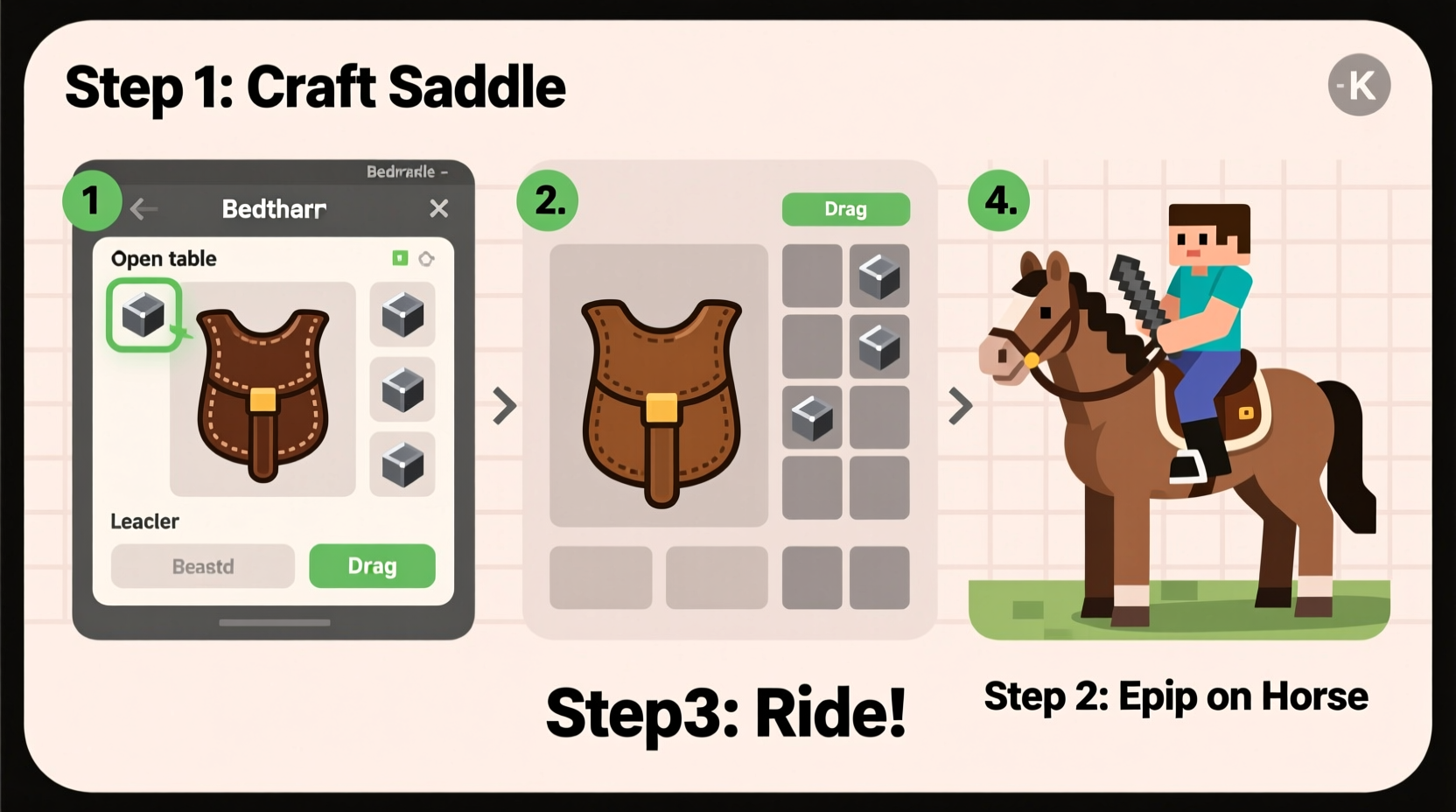
A saddle is one of the few items in Minecraft that allows full directional control over specific mobs while riding. Without a saddle, players can mount some animals—like pigs or striders—but cannot steer them effectively. The saddle changes that dynamic entirely. When placed on compatible mobs, it enables acceleration, turning, and braking (depending on the animal), making travel faster and more efficient.
Despite its importance, the saddle stands out because it cannot be crafted using conventional recipes. This limitation makes locating one a strategic challenge, especially early in a survival world. However, several reliable methods exist to acquire a saddle without relying solely on luck.
Where and How to Find Saddles
Since crafting a saddle isn't an option via standard crafting grids, players must locate them through alternative means. Below are the most effective ways to obtain a saddle in Minecraft Bedrock:
- Loot Chests: Dungeons, Nether Fortresses, End Cities, and shipwrecks often contain chests with random loot. Saddles appear as rare drops in these containers, particularly in jungle temples and abandoned mineshafts.
- Fishing: Using a fishing rod, there’s a small chance (approximately 1.4%) to reel in treasure items—including saddles—when fishing in any water body.
- Trading with Villagers: Master-level leatherworker villagers may offer saddles for trade at a cost of 8–10 emeralds. This is one of the most consistent ways to acquire a saddle once you’ve established a village farm.
- Killing Strays or Skeleton Horses: Though extremely rare, skeleton horses spawned during a \"skeleton trap\" event may drop a saddle upon defeat. Regular skeleton horse kills do not guarantee this drop.
- Bartering with Piglins: In the Nether, offering gold ingots to piglins gives a chance to receive various items, including saddles, though this method is highly unpredictable.
Best Strategy for Early Access
For new players, focusing on exploring dungeons and mineshafts offers the best early-game opportunity. These structures are relatively common and often house chests with useful gear beyond just saddles. Combine exploration with setting up a simple fishing post near a river or ocean biome to increase chances passively.
“While saddles aren’t craftable, their availability across multiple systems ensures no player is permanently locked out.” — Alex Turner, Minecraft Gameplay Analyst
Step-by-Step Guide to Using a Saddle
Once you have a saddle in your inventory, applying it correctly is crucial. Follow this sequence to successfully equip and ride a compatible mob:
- Locate a Rideable Mob: Find a horse, donkey, mule, llama, or pig. Note that zombies riding chickens or other mobs cannot be saddled directly.
- Approach Calmly: For untamed horses, approach slowly to avoid startling them. Taming may require multiple attempts with wheat, apples, or hay bales.
- Open Your Inventory: Press the interact button (or right-click/tap depending on device) while facing the animal.
- Place the Saddle: Drag the saddle from your hotbar into the designated armor/equipment slot on the mob’s interface. This slot appears only when interacting with tamed, rideable animals.
- Mount the Animal: Exit the inventory screen and press the mount button. You should now see a riding HUD with movement controls.
- Control Movement: Use standard movement inputs to guide the animal. On most platforms, holding forward accelerates; side movements turn.
Compatibility and Limitations of Saddles
Not all mobs accept saddles, and functionality varies between species. The following table summarizes which mobs work with saddles and what additional requirements apply:
| Mob | Saddle Compatible? | Taming Required? | Additional Notes |
|---|---|---|---|
| Horse | Yes | Yes | Can also wear armor; speed depends on breed |
| Donkey / Mule | Yes | Yes | Can carry chests for storage |
| Llama | Yes | Yes | No steering unless led; carrying capacity varies by strength |
| Pig | Yes | No | Requires carrot on a stick to control direction |
| Strider | Yes | No | Uses warped fungus as bait; navigates lava in the Nether |
| Cat or Wolf | No | N/A | Cannot be ridden even with mods (vanilla only) |
This variation emphasizes the importance of pairing the right saddle strategy with your intended mode of transport. For example, a donkey equipped with a chest and saddle becomes a mobile storage unit, ideal for long expeditions.
Real-World Example: Cross-Biome Expedition with a Saddle-Equipped Horse
Jamal, a seasoned Bedrock player, embarked on a journey from his base in a snowy taiga to a distant desert temple housing valuable loot. He first tamed a fast chestnut horse using golden apples, then equipped it with a saddle found in a nearby dungeon. After attaching iron horse armor scavenged from a zombie horse, he began his trek.
The combination of high speed and jump control allowed him to cross ravines and avoid hostile mobs efficiently. Upon reaching the temple, he dismounted safely and retrieved ancient artifacts. The entire round trip took less than 20 minutes—half the time it would have taken on foot. His preparation paid off: having both a saddle and proper armor ensured safety and endurance.
This scenario illustrates how integrating saddle use into broader survival strategies enhances mobility, resource management, and overall gameplay efficiency.
Frequently Asked Questions
Can I craft a saddle in Minecraft Bedrock?
No, saddles cannot be crafted using any recipe in the crafting grid. They must be obtained through loot, trading, or fishing.
Do pigs need to be tamed before using a saddle?
No, pigs do not require taming. However, placing a saddle on a pig only allows mounting—it won’t provide steering unless you use a carrot on a stick.
Why can’t I put a saddle on a wild horse?
You must tame the horse first by repeatedly mounting and dismounting until hearts appear. Only tamed horses allow saddle placement.
Maximizing Your Saddle's Utility: Final Tips
- Combine saddles with horse armor for increased protection during combat or exploration.
- Use leads to manage herds of saddled animals, especially when traveling through crowded areas.
- Store spare saddles in ender chests or secure bases to prevent loss upon death.
- Pair striders with saddles and a warped fungus to navigate the Nether safely across lava lakes.
Conclusion
The saddle may seem like a simple item, but its impact on mobility and gameplay depth is profound. From enabling swift cross-map travel to transforming passive animals into functional companions, mastering saddle acquisition and use elevates your Minecraft experience significantly. Whether you're braving the Nether on a strider or racing across plains on a trusted steed, the saddle remains an indispensable tool in every Bedrock player’s arsenal.




 浙公网安备
33010002000092号
浙公网安备
33010002000092号 浙B2-20120091-4
Comments
No comments yet. Why don't you start the discussion?