
Polarized sunglasses are more than a fashion accessory—they’re a critical tool for protecting your eyes from harmful glare and UV radiation. Yet, not all sunglasses labeled “polarized” deliver the promised benefits. With counterfeit products flooding online marketplaces and department stores, consumers often pay premium prices for substandard or fake lenses. Understanding how to verify genuine polarization ensures you get real eye protection, reduce visual fatigue, and enhance outdoor clarity—especially while driving, fishing, or spending time near water or snow.
The Science Behind Polarization
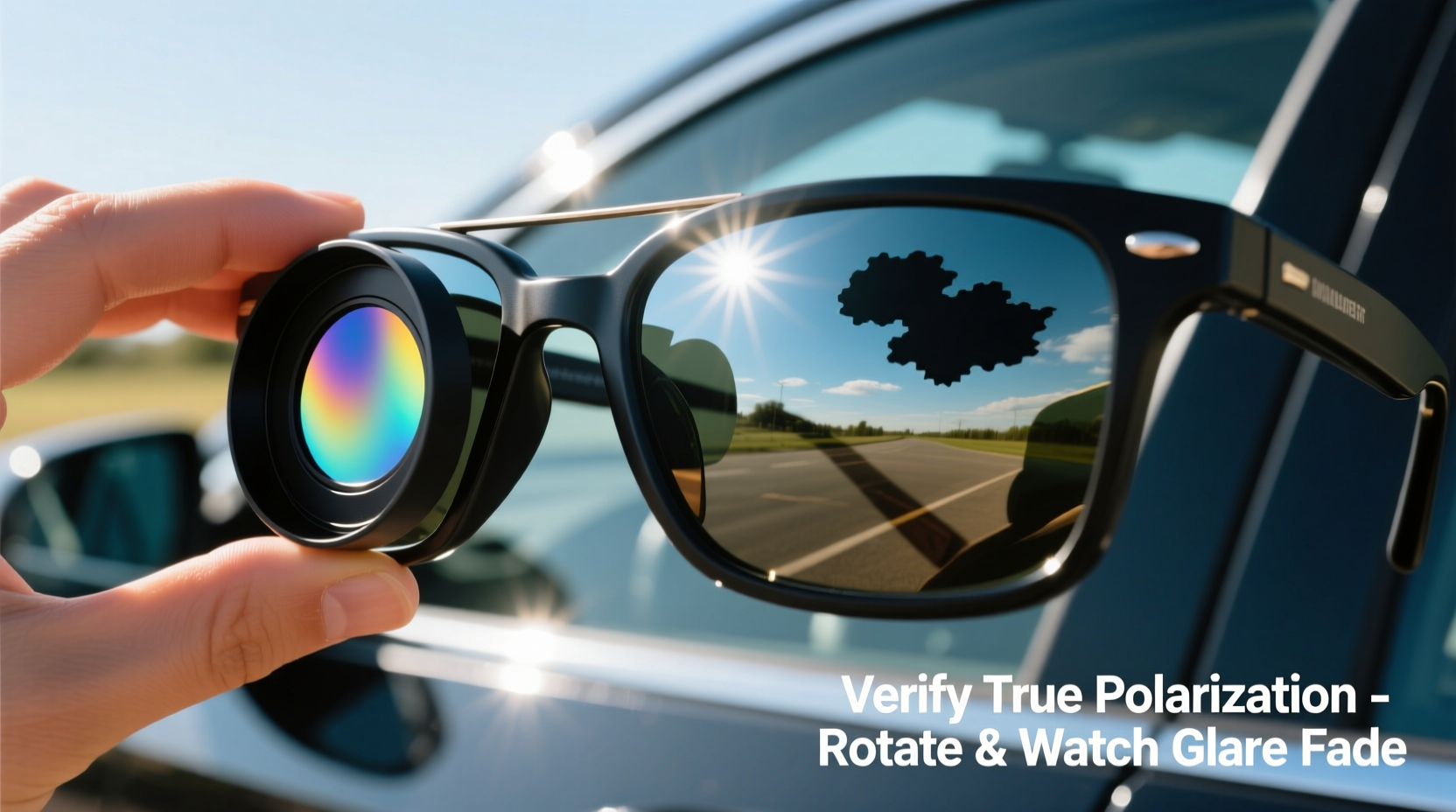
Sunlight reflects off flat surfaces like water, glass, and asphalt, creating intense horizontal glare that scatters light and strains the eyes. Polarized lenses contain a special chemical filter applied in a vertical alignment. This filter blocks horizontally oriented light waves, significantly reducing glare while maintaining visual clarity and color accuracy.
Unlike standard tinted lenses, which only dim overall brightness without targeting glare, polarized lenses improve contrast and depth perception. This makes them essential for activities requiring sharp vision under bright conditions. However, because polarization is invisible to the naked eye, verifying authenticity requires simple but effective testing methods.
“Polarization isn’t just about comfort—it’s a functional enhancement that reduces eye strain and improves reaction times in high-glare environments.” — Dr. Lena Torres, Optometrist and Vision Safety Specialist
Step-by-Step Guide: How to Test for Real Polarization at Home
You don’t need specialized equipment to determine if your sunglasses are truly polarized. These five easy tests can be performed at home using everyday objects.
- The LCD Screen Test: Hold your sunglasses in front of an active LCD screen (like a smartphone, tablet, or laptop). Tilt the glasses sideways (about 60 degrees). If the lenses are polarized, the screen will appear to darken significantly or turn black. Non-polarized lenses won’t produce this effect.
- The Reflection Test: Look at a reflective surface such as a car window, glass table, or body of water. Put on the sunglasses and rotate your head slightly to the side. Genuine polarized lenses will noticeably reduce reflected glare when viewed straight-on, and the effect diminishes when tilted.
- The Second Pair Comparison: If you have another known pair of polarized sunglasses, hold both pairs together and look through them while rotating one 90 degrees relative to the other. When two polarized filters cross perpendicularly, they block nearly all light, appearing almost opaque. If light still passes through, one or both pairs aren’t properly polarized.
- The Plastic Bag Test: Stretch a clear plastic grocery bag flat and look through it with your sunglasses. Rotate the glasses slowly. Authentic polarized lenses will reveal rainbow-like stress patterns in the plastic due to birefringence—a physical property visible only through polarizing filters.
- The Digital Clock or Dashboard Check: View a digital clock, car dashboard, or ATM screen through the lenses. Many digital displays emit polarized light. Tilting your head should cause the display to dim or vanish temporarily when viewed through real polarized lenses.
Do’s and Don’ts When Buying Polarized Sunglasses
| Do’s | Don’ts |
|---|---|
| Check for a “100% UV Protection” label—this is non-negotiable. | Assume dark lenses mean better protection; darkness doesn’t correlate with UV blocking. |
| Purchase from authorized dealers or reputable brands with verifiable customer service. | Buy extremely cheap “designer” sunglasses online without reviews or return policies. |
| Ask for independent lab certification, especially for high-performance models. | Trust packaging alone—counterfeiters often replicate branding and holograms. |
| Test polarization before finalizing purchase, if possible. | Wear unlabeled or mystery-brand sunglasses for prolonged sun exposure. |
Real Example: A Cautionary Purchase
Mark, an avid fisherman from Colorado, bought a pair of “premium polarized” sunglasses online for $28, drawn by a sleek design and glowing five-star reviews—many later revealed to be fake. On his first trip to the river, he noticed no reduction in water glare, even under direct midday sun. His eyes fatigued quickly, and he struggled to spot fish beneath the surface. Back home, he tried the smartphone test. No darkening occurred when he rotated the glasses. He’d been sold tinted lenses falsely marketed as polarized. After investing in a certified pair from a trusted brand, he immediately noticed sharper contrast, reduced squinting, and improved visibility underwater—proving that authentic polarization directly impacts performance and comfort.
What to Look for on the Label and Packaging
Legitimate polarized sunglasses come with specific labeling indicators. While regulations vary by country, reliable markers include:
- “Polarized” clearly printed on the lens, temple arm, or case.
- “UV400” or “100% UV Protection”—ensures blocking of UVA and UVB rays up to 400nm.
- Brand authenticity codes or QR links to verification portals (e.g., Ray-Ban, Oakley).
- Compliance with regional standards such as CE (Europe), ANSI Z80.3 (USA), or AS/NZS 1067 (Australia).
Avoid sunglasses that only say “anti-glare” or “sun protection” without specifying polarization or UV filtering. These terms are vague and often used to mislead buyers.
Checklist: Verify Your Sunglasses Before Wearing
Use this quick checklist every time you buy new sunglasses:
- ✅ Perform the LCD screen tilt test.
- ✅ Confirm 100% UV protection is labeled.
- ✅ Inspect for brand markings and model numbers.
- ✅ Test glare reduction on reflective surfaces.
- ✅ Cross-check with a known polarized pair (if available).
- ✅ Research the seller’s reputation and return policy.
- ✅ Avoid discomfort: If your eyes feel strained after wearing, the lenses may be defective or fake.
Frequently Asked Questions
Can sunglasses be polarized without UV protection?
Yes, but it’s unsafe. Polarization only reduces glare—it does not block ultraviolet radiation. Without UV400 protection, your eyes receive more damaging rays because the darker lens causes pupils to dilate. Always ensure both features are present.
Are expensive sunglasses always authentic?
Not necessarily. Counterfeiters often duplicate high-end brands with convincing packaging. Price alone isn’t proof of authenticity. Verification through testing and authorized retailers matters more than cost.
Do polarized lenses affect night vision or screen visibility?
In some cases, yes. Polarized lenses can make it harder to see certain LCD screens (like GPS devices or smartphones) at oblique angles. They are not recommended for nighttime driving, where glare is less of an issue and reduced screen visibility could pose risks.
Final Thoughts: Protect Your Vision with Confidence
Your eyes deserve more than cosmetic shade—they need scientifically proven protection. Fake or improperly labeled polarized sunglasses compromise safety, comfort, and long-term eye health. By applying simple home tests, reading labels critically, and purchasing wisely, you gain peace of mind knowing your sunglasses do what they claim. Whether you're behind the wheel, on open water, or hiking alpine trails, authentic polarization enhances your experience and shields your vision from daily environmental stressors.




 浙公网安备
33010002000092号
浙公网安备
33010002000092号 浙B2-20120091-4
Comments
No comments yet. Why don't you start the discussion?