
LinkedIn has become the go-to platform for professional growth, career advancement, and industry connection. But with over 900 million users, standing out in a way that feels genuine—not pushy or transactional—is a challenge many professionals face. The line between proactive networking and coming across as desperate or self-serving is thin. The key isn’t just sending more connection requests or messaging more people; it’s about building relationships with intention, empathy, and consistency.
Effective networking on LinkedIn isn’t about numbers—it’s about quality. It’s about cultivating trust, offering value before asking for anything, and engaging in a way that respects other people’s time and attention. When done right, your network becomes a source of opportunity, insight, and mutual support. When done poorly, you risk being ignored, unfollowed, or even reported.
1. Start with a Strong Foundation: Optimize Your Profile
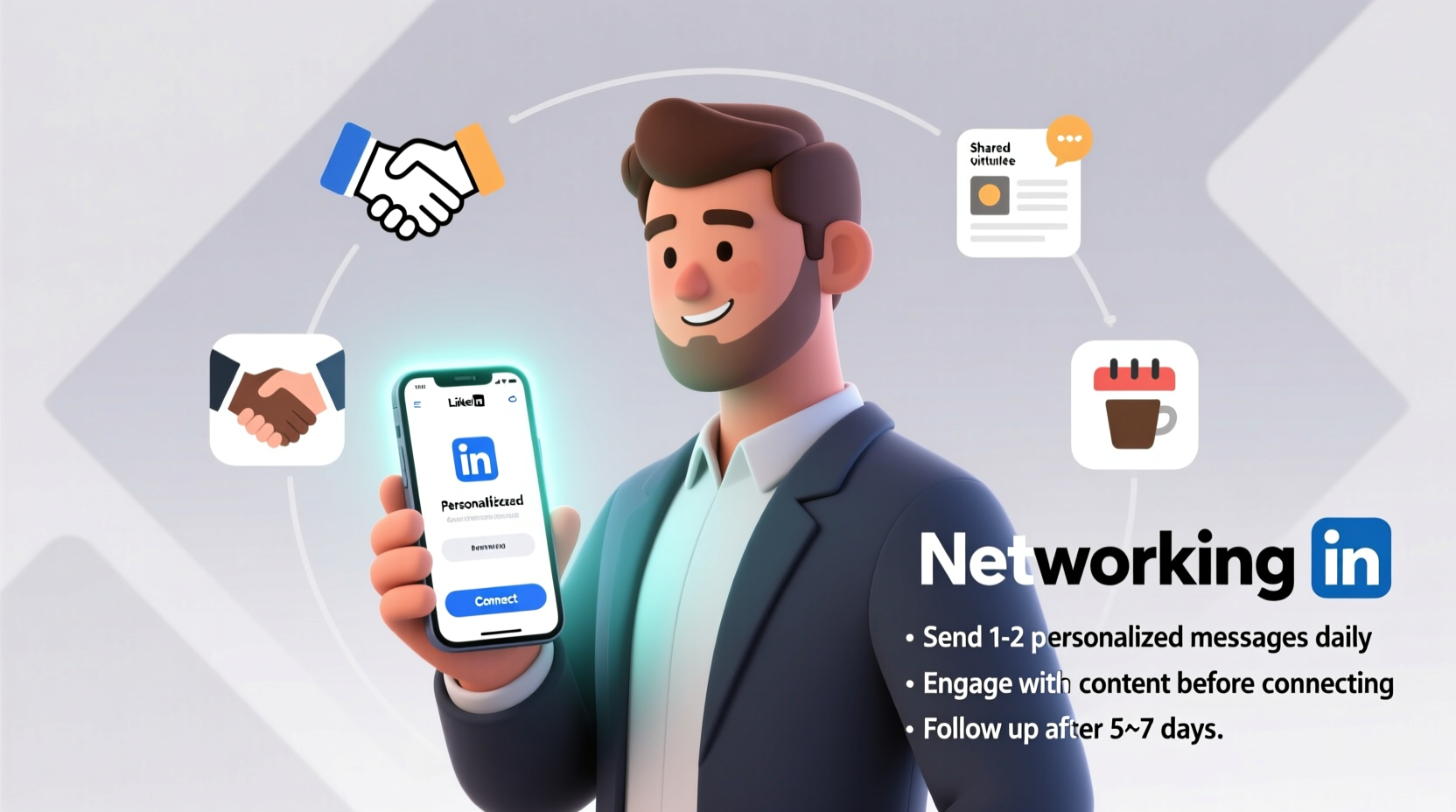
Your LinkedIn profile is your digital handshake. Before you reach out to anyone, ensure your presence reflects professionalism and clarity. A weak or incomplete profile undermines credibility, no matter how polished your outreach is.
Focus on these core elements:
- Professional photo: Use a high-quality headshot with neutral background and appropriate attire.
- Clear headline: Avoid generic titles like “Looking for opportunities.” Instead, highlight your expertise: “Digital Marketing Strategist | Helping SaaS Brands Scale Through Data-Driven Campaigns.”
- Summary section: Write in first person, share your mission, skills, and what kind of collaborations excite you.
- Recent activity: Share thoughtful posts, comment on industry news, or publish short insights to show engagement.
2. Personalize Every Connection Request
The default “I’d like to add you to my professional network” message is one of the fastest ways to get ignored. Generic invites signal low effort and often end up in the “Ignore” pile. Personalization shows you’ve taken the time to understand who the person is and why connecting makes sense.
When sending a request, include a brief note referencing something specific:
- A recent post they shared (“I appreciated your take on remote team management—very timely.”)
- A common connection or alma mater (“We both studied at NYU and work in EdTech—would love to connect.”)
- A shared interest or event (“Enjoyed your talk at the HR Innovation Summit last month.”)
“Personalization isn’t flattery—it’s proof of attention. In a world of spam, attention is the highest form of respect.” — Sarah Chen, Talent Development Consultant
Do’s and Don’ts of Connection Messages
| Do | Don’t |
|---|---|
| Mention a shared experience or interest | Use copy-paste templates for everyone |
| Keep it under three sentences | Ask for a job or referral immediately |
| Be clear about why you’re reaching out | Over-compliment or sound insincere |
| Reference their content or role | Include links or attachments |
3. Build Value Before Asking for Anything
One of the most common networking mistakes is jumping straight to “Can you refer me?” or “Do you know anyone hiring?” without establishing rapport. People respond to generosity, not demands.
Think of networking as planting seeds. You wouldn’t expect fruit the day after sowing. Instead, nurture the relationship by contributing first. This could mean:
- Liking, commenting thoughtfully, or sharing their content with added insight
- Sending a quick note acknowledging a promotion or achievement
- Sharing a relevant article or resource without expecting anything in return
For example, if someone shares a post about overcoming challenges in project management, don’t just say “Great post!” Add value: “Your point about stakeholder alignment resonates—I used a similar RACI framework during a product launch last quarter. Would love to hear how you handle scope creep in agile environments.”
4. Engage Consistently, Not Casually
Networking isn’t a one-off action. It’s an ongoing practice. Many professionals send a message, get no reply, and disappear. But meaningful connections are built through repeated, low-pressure engagement.
Follow these steps to stay visible without being intrusive:
- Follow their content: Regularly engage with their posts (like, comment, share).
- React meaningfully: Avoid one-word comments. Add perspective or ask a thoughtful question.
- Reconnect quarterly: Send a brief check-in every few months: “Saw your update on the new AI integration—how’s the rollout going?”
- Celebrate milestones: Congratulate them on work anniversaries, promotions, or publications.
Consistency builds familiarity. Over time, your name becomes recognizable in a positive way—not because you’re pushing an agenda, but because you’re part of their professional ecosystem.
Mini Case Study: From Stranger to Strategic Contact
Jamal, a mid-level marketing manager, wanted to transition into product marketing. He identified five professionals in his target field and began following their content. For two months, he commented on their posts with insightful takes, tagged them in relevant discussions, and shared articles they might find useful—all without messaging them directly.
After three months, one of them responded to his comment with, “You clearly understand this space well.” Jamal replied, “Thank you—that’s the field I’m actively moving into. Would you be open to a 15-minute chat about your journey?” The conversation led to mentorship, a referral, and eventually a job offer.
The difference? Jamal didn’t lead with need. He led with visibility and value.
5. Know When and How to Make a Request
There’s nothing wrong with asking for help—when timing and context are right. The mistake isn’t making requests; it’s making them too soon or too broadly.
Wait until there’s established interaction—ideally, multiple touchpoints over several weeks. Then, frame your ask with humility and specificity.
Instead of: “Can you help me get a job?”
Say: “I’ve been following your work in fintech marketing and am exploring roles in the space. If you’re open to it, I’d appreciate 10 minutes to learn about your path and any advice you’d give someone entering the field.”
Notice the difference: one is vague and demanding, the other is respectful and focused on learning.
Step-by-Step Guide: The 4-Week Networking Plan
- Week 1: Identify 10–15 target connections (people in your industry, company, or role of interest). Follow them and begin engaging with their content.
- Week 2: Leave thoughtful comments on 2–3 of their posts. Share one of their articles with credit and added insight.
- Week 3: Send personalized connection requests to 5 individuals with a short, relevant note.
- Week 4: Continue engaging. After receiving confirmations, send a brief thank-you message and mention something specific from their profile or recent activity.
This gradual approach prevents overwhelm for both you and your contacts. It also increases the likelihood of meaningful dialogue down the line.
Frequently Asked Questions
How long should I wait before messaging someone after they accept my connection request?
Wait at least 3–7 days unless they initiate. Use that time to review their recent activity so your message can be relevant. When you do message, avoid immediate asks. Instead, start with appreciation or shared insight: “Thanks for connecting! I saw your post on hybrid team culture—really aligned with some challenges we’re seeing too.”
Is it okay to reconnect after radio silence?
Yes, if done respectfully. A simple message works: “Hi [Name], I know it’s been a while since we connected, but I came across your recent piece on AI ethics and thought of our earlier conversation. Hope you’re doing well!” No guilt-tripping, no apology for the gap—just warmth and relevance.
What if someone doesn’t respond to my message?
Don’t take it personally. People are busy, messages get buried, or priorities shift. Wait 2–3 weeks, then consider one polite follow-up: “Just circling back on this—no pressure, but would still value your perspective if you have a moment.” If still no reply, move on gracefully. Keep engaging with their public content to stay on their radar.
Final Checklist: Networking Without Annoying
- ✅ Profile is complete, professional, and active
- ✅ Every connection request includes a personalized note
- ✅ I’ve engaged with their content before reaching out
- ✅ My messages focus on them, not just my needs
- ✅ I’ve waited for rapport before making requests
- ✅ I follow up with value, not pressure
- ✅ I respect silence—no repeated pings
Conclusion: Be Human, Not Hustle
The most effective networkers aren’t the loudest or the most aggressive—they’re the most human. They listen more than they pitch. They celebrate others’ wins. They give without keeping score. On LinkedIn, where automation and templated outreach are rampant, authenticity is your greatest advantage.
You don’t need to message 100 people a week to succeed. You need to connect meaningfully with a few. Focus on building real relationships—one thoughtful comment, one personalized note, one act of support at a time. That’s how trust grows. That’s how opportunities emerge.




 浙公网安备
33010002000092号
浙公网安备
33010002000092号 浙B2-20120091-4
Comments
No comments yet. Why don't you start the discussion?