
Electronic watches have become indispensable tools—combining style, functionality, and advanced technology. Whether you use yours for fitness tracking, notifications, or timekeeping during outdoor adventures, one of the most common threats it faces is water damage. While many models are marketed as water-resistant, few are truly waterproof, and misunderstanding their limits can lead to costly failures. Protecting your device from moisture isn’t just about avoiding swimming pools—it involves daily habits, proper maintenance, and informed usage. This guide breaks down the science behind water resistance, outlines practical prevention strategies, and provides actionable steps to extend your watch’s life.
Understanding Water Resistance Ratings
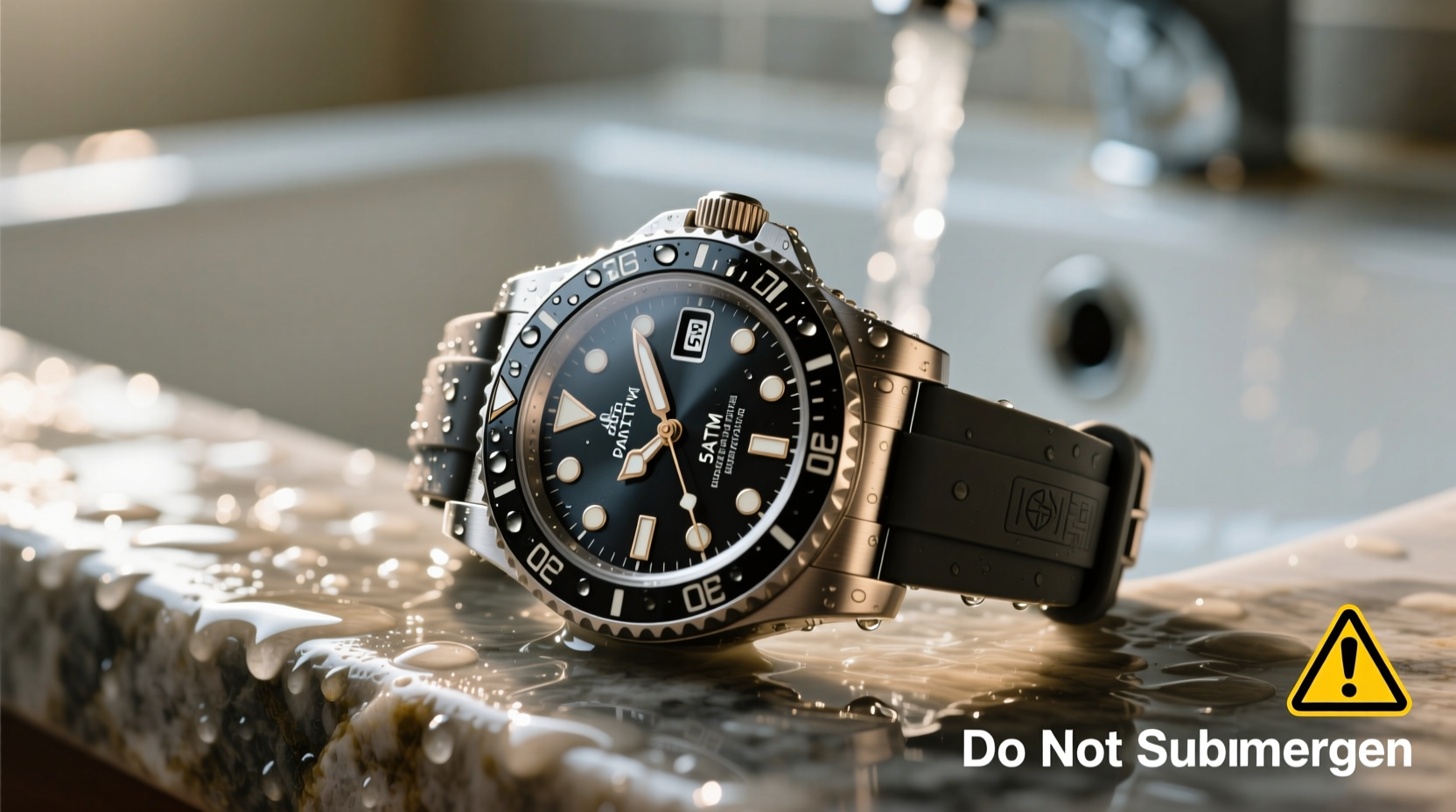
Before diving into protection methods, it’s crucial to understand what “water-resistant” actually means. The term is often misunderstood, leading users to believe their watch can withstand any aquatic environment. In reality, water resistance is measured in atmospheres (ATM), meters, or bars, each indicating pressure tolerance—not depth or duration underwater.
| Rating (ATM) | Water Resistance Level | Suitable For | Not Recommended For |
|---|---|---|---|
| 3 ATM | Water-resistant to splashes | Rain, handwashing | Swimming, showering |
| 5 ATM | Moderate water exposure | Shallow swimming, snorkeling | Diving, hot showers |
| 10 ATM+ | High water pressure tolerance | Swimming, diving, water sports | Steam rooms, saunas |
It's important to note that these ratings degrade over time due to gasket wear, case deformation, or accidental impacts. Even a 10 ATM-rated watch may not survive prolonged submersion if seals are compromised.
“Water resistance isn't permanent. Seals dry out, cases get dented, and buttons lose tightness—all invisible until moisture gets inside.” — Daniel Reeves, Senior Watch Technician at Precision Time Labs
Best Practices for Daily Protection
Most water damage occurs not during intentional immersion but through everyday oversights. Steam from showers, saltwater residue, and sudden temperature changes all pose risks. Adopting simple protective habits significantly reduces vulnerability.
- Avoid extreme temperatures: Sudden shifts cause condensation inside the watch, especially when moving from cold outdoors to a hot shower.
- Don’t operate buttons underwater: Pressing buttons while submerged can force water past seals, even on high-rated models.
- Check for damage regularly: Inspect the crown, glass, and case back for cracks or looseness. A misaligned crown is a common entry point for moisture.
- Keep it dry after sweating: During workouts, wipe your watch frequently. Sweat contains salts and acids that can degrade internal components over time.
Step-by-Step Guide to Post-Water Exposure Care
If your watch has been exposed to water beyond its intended rating—or you suspect moisture ingress—immediate action can save it from permanent damage. Follow this timeline to minimize harm:
- Remove immediately: Take off the watch as soon as possible after unintended exposure.
- Power down (if safe): If the device allows, turn it off to reduce electrical short risk.
- Dry the exterior: Use a soft, lint-free cloth to wipe all surfaces, including under the band.
- Air-dry in a warm, dry place: Place it near room-temperature airflow (not direct heat). Avoid hairdryers, which can melt adhesives or warp plastics.
- Use silica gel packets: Store the watch in a sealed container with desiccant packs for 24–48 hours to draw out residual moisture.
- Seek professional inspection: If fogging appears under the glass or functions fail, consult an authorized service center promptly.
“Time is critical. Electronics corrode within hours when moisture lingers. Acting fast improves recovery odds by over 70%.” — Dr. Lena Torres, Electronics Reliability Engineer
Common Myths About Waterproofing Debunked
Misinformation leads many users to take unnecessary risks. Below are widespread myths that compromise electronic watch safety:
- Myth: “If it says ‘waterproof,’ I can dive with it.”
Reality: No electronic watch is fully waterproof. All rely on temporary seals that degrade.
- Myth: “I’ve had mine for two years without issues—I’m fine.”
Reality: Aging reduces water resistance. Gaskets dry out annually; seals should be tested every 12–18 months.
- Myth: “Wireless charging means no ports, so it’s safer.”
Reality: While portless designs help, seals around sensors and speakers still wear and require maintenance.
Preventive Maintenance Checklist
To ensure long-term resilience against water damage, integrate these actions into your routine:
- ✅ Verify water resistance rating before any wet activity
- ✅ Rinse with fresh water after swimming in pool or ocean
- ✅ Avoid pressing buttons when wet
- ✅ Inspect for physical damage monthly
- ✅ Replace worn bands promptly (especially rubber/silicone)
- ✅ Schedule professional seal check every 12–18 months
- ✅ Never expose to steam, saunas, or hot tubs
- ✅ Remove immediately after sweat-heavy activities
Real-World Example: How One User Lost Their Watch in Three Days
Mark, a fitness enthusiast, purchased a new smartwatch advertised as “swim-proof.” Confident in the claim, he wore it during daily laps at his local pool. On day three, the screen flickered and froze. Condensation appeared beneath the display. Despite factory warranty coverage, the manufacturer denied the claim because chlorine exposure voided protection under “normal conditions.” Mark hadn’t realized that chemical resistance wasn’t included in the rating—and regular cleaning could have prevented seal degradation. His experience highlights the gap between marketing language and real-world durability.
Frequently Asked Questions
Can I wear my electronic watch in the shower?
No, unless explicitly stated by the manufacturer. Hot water and steam expand air inside the watch, forcing moisture past seals. Most warranties exclude shower-related damage.
What should I do if my watch fogs up inside?
Turn it off immediately, remove it from moisture, and place it in a dry container with silica gel. Do not charge or press buttons. Contact customer support or a repair specialist within 24 hours.
Does water resistance wear off over time?
Yes. Rubber gaskets dry and crack, metal parts corrode, and impacts weaken housing integrity. Annual pressure testing is recommended for frequent water users.
Final Thoughts: Proactive Care Beats Costly Repairs
Your electronic watch is an investment in convenience, health monitoring, and personal style. Treating water resistance as a dynamic, time-sensitive feature—not a permanent guarantee—is key to preserving its function. By understanding specifications, adopting smart habits, and scheduling regular maintenance, you dramatically reduce the risk of irreversible damage. Don’t wait for condensation to appear or functions to fail. Start protecting your device today with informed choices and disciplined care.




 浙公网安备
33010002000092号
浙公网安备
33010002000092号 浙B2-20120091-4
Comments
No comments yet. Why don't you start the discussion?