
A clogged bathroom sink is more than an inconvenience—it disrupts daily routines, creates unpleasant odors, and can lead to water damage if ignored. Many people immediately reach for chemical drain cleaners or call a plumber, but both options come with drawbacks. Chemicals can corrode pipes over time, harm the environment, and pose health risks. Plumbers, while effective, aren’t always necessary—and they cost money.
The good news? Most minor to moderate clogs can be cleared at home using simple tools and household items. With patience and the right technique, you can restore full drainage without damaging your plumbing or exposing yourself to toxic fumes. This guide walks through natural, effective, and budget-friendly methods that actually work.
Understanding What Causes Sink Clogs
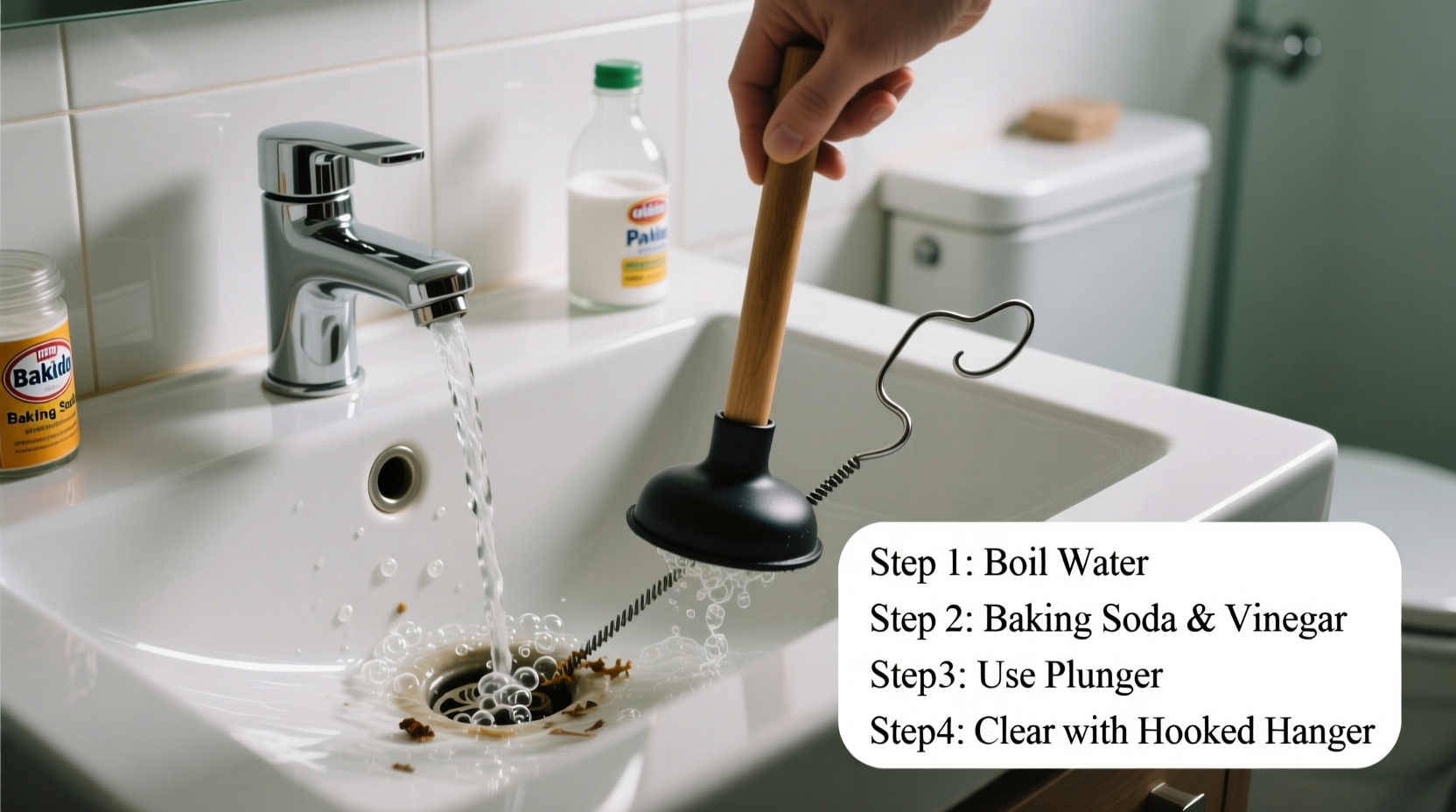
Bathroom sink clogs typically result from a buildup of organic materials. Unlike kitchen sinks, which deal with grease and food scraps, bathroom drains are most commonly blocked by:
- Hair (the number one culprit)
- Toothpaste residue
- Soap scum
- Shaving cream and gel buildup
- Mineral deposits from hard water
These substances combine over time, forming a sticky sludge that adheres to pipe walls and gradually restricts water flow. The clog often starts slowly—a slight delay in draining—before worsening into a complete blockage.
Because these materials are primarily organic, they respond well to mechanical removal and natural dissolving agents like vinegar and baking soda. Understanding the nature of the clog helps you choose the most appropriate method.
Step-by-Step Guide: Clearing the Clog Naturally
Before reaching for any tool or solution, gather basic supplies. You likely already have most of these at home:
- Rubber gloves
- Plunger (preferably a cup-style plunger)
- Wire coat hanger or drain snake
- Baking soda
- White vinegar
- Boiling water
- Bucket or bowl
- Towel
Follow this sequence for best results. Start with the least invasive method and progress only if needed.
Step 1: Try Boiling Water (For Minor Clogs)
If the sink is draining slowly but not completely blocked, boiling water alone may suffice. Pour about 4–6 cups of boiling water directly down the drain in two to three stages, allowing each pour to work for 30 seconds before adding more. The heat helps dissolve soap scum and loosen debris.
Note: Do not use boiling water if your pipes are PVC, as excessive heat can warp plastic. In such cases, use very hot tap water instead.
Step 2: Baking Soda and Vinegar Flush
This classic combination creates a mild effervescent reaction that helps break apart organic buildup.
- Pour ½ cup of baking soda directly into the drain.
- Follow with 1 cup of white vinegar.
- Cover the drain with a plug or wet cloth to contain the fizzing action.
- Wait 15–30 minutes.
- Flush with hot water (not boiling, if pipes are plastic).
This method is especially effective when combined with mechanical clearing techniques.
Step 3: Use a Plunger
Many people assume plungers only work on toilets, but they’re highly effective on sinks when used correctly.
- Remove any standing water or empty it with a cup.
- Seal the overflow opening (the small hole near the top of the sink) with a wet rag. This ensures pressure builds properly.
- Fill the sink basin with enough water to cover the rubber cup of the plunger.
- Place the plunger over the drain and pump firmly up and down 15–20 times.
- Remove the plunger and check if water drains.
Repeat if necessary. A successful plunge will create suction that dislodges the clog.
Step 4: Manual Removal with a Drain Snake or Wire Hanger
If the above steps fail, the clog is likely deeper or denser—often a hair mass just past the drain trap.
- Straighten a wire coat hanger and bend a small hook at one end.
- Insert the hooked end into the drain and gently push it down.
- Feel for resistance, then twist and pull upward to extract hair and gunk.
- Wipe the debris off and repeat until no more material comes out.
Alternatively, use a manual drain snake (available at hardware stores for under $15). These offer better reach and flexibility, making them ideal for stubborn clogs.
Step 5: Clean the P-Trap (If All Else Fails)
The P-trap is the U-shaped pipe under the sink that traps debris. It’s often where clogs settle.
- Place a bucket beneath the trap to catch water and sludge.
- Use a wrench to loosen the slip nuts on both ends of the trap.
- Remove the trap and empty its contents into the bucket.
- Scrub the inside with a bottle brush or old toothbrush.
- Reattach the trap, tighten the nuts, and test the drain.
This method guarantees complete removal of blockages but requires a bit more effort and comfort working under the sink.
Do’s and Don’ts of DIY Drain Maintenance
| Do’s | Don’ts |
|---|---|
| Use boiling water regularly to prevent buildup (if pipes are metal) | Use chemical drain cleaners frequently—they erode pipes |
| Install a drain strainer to catch hair | Ignore slow drainage—it will worsen over time |
| Flush drains weekly with baking soda and vinegar | Force a plunger without sealing the overflow |
| Disassemble and clean the P-trap every few months | Use excessive force with a drain snake—risk scratching or puncturing pipes |
| Run hot water after each use to clear residue | Flush non-soluble items like cotton balls or wipes |
Real Example: Sarah’s Stubborn Sink Fix
Sarah noticed her bathroom sink was draining slower each day. After a week, water pooled and wouldn’t go down at all. She tried a chemical cleaner, but it didn’t help—and the smell irritated her asthma.
Determined to avoid a plumber, she researched natural methods. She started with boiling water, which did nothing. Then she used baking soda and vinegar, waited 20 minutes, and flushed with hot water. Still clogged.
Next, she used a plunger, sealing the overflow with a wet rag. After five firm pumps, she heard a gurgle. Water began to drain. She repeated the process twice more, and the sink cleared completely.
Later, she pulled out a tangled clump of hair using a bent wire hanger. “I had no idea so much could collect in there,” she said. Since then, she uses a mesh screen and flushes monthly with vinegar and baking soda. Her sink hasn’t clogged since.
“Most bathroom clogs are mechanical, not chemical. That means they need physical disruption—not corrosive liquids.” — Mark Reynolds, Master Plumber with 22 years of experience
Preventative Checklist for Long-Term Drain Health
Prevention is far easier than repair. Incorporate these habits into your routine to keep sinks flowing freely:
- ✅ Install a fine-mesh drain cover to catch hair
- ✅ Once a week, pour ½ cup baking soda followed by 1 cup vinegar down the drain, then flush with hot water
- ✅ Run hot water for 15–20 seconds after each use to wash away residue
- ✅ Avoid rinsing shaving cream or toothpaste directly into the drain
- ✅ Every 3–4 months, remove and clean the P-trap
- ✅ Educate household members—especially children—about what should and shouldn’t go down the sink
Frequently Asked Questions
Can I use baking soda and vinegar if I previously used a chemical cleaner?
No. Mixing vinegar with leftover chemical cleaner (especially bleach-based products) can produce dangerous fumes. Wait at least 24 hours and flush thoroughly with water before using natural remedies.
Why isn’t my plunger working?
The most common reason is an unsealed system. The overflow hole in the sink must be covered during plunging. Without a seal, pressure escapes and the plunger loses effectiveness. Also, ensure there’s enough water to cover the plunger cup.
How do I know if the clog is beyond my reach?
If you’ve cleaned the P-trap and used a drain snake without success, the blockage may be deeper in the main line. Signs include multiple fixtures backing up (e.g., toilet gurgling when sink drains). In such cases, professional help may be needed—but this is rare for isolated bathroom sink issues.
Conclusion: Take Control of Your Plumbing
Clearing a clogged bathroom sink doesn’t require expensive tools, hazardous chemicals, or a service call. With a little knowledge and the right approach, you can resolve most blockages quickly and safely. The key is acting early, using mechanical methods when possible, and maintaining your drains proactively.
By adopting simple habits like using a drain screen and performing monthly maintenance flushes, you’ll spend less time dealing with clogs and more time enjoying a smoothly functioning bathroom. The next time your sink backs up, don’t panic—reach for baking soda, a plunger, or a wire hanger instead of the phone.




 浙公网安备
33010002000092号
浙公网安备
33010002000092号 浙B2-20120091-4
Comments
No comments yet. Why don't you start the discussion?