
In today’s fast-paced digital workplace, instant communication tools are essential for maintaining momentum and clarity across teams. Google Chat, integrated within the Google Workspace ecosystem, offers a powerful platform for real-time collaboration. Yet, many users treat it as just another messaging app—missing out on its full potential. When used strategically, Google Chat can streamline workflows, reduce email clutter, and foster more focused team interactions. The key lies not in simply sending messages, but in structuring conversations for clarity, accountability, and efficiency.
Organize Conversations with Spaces
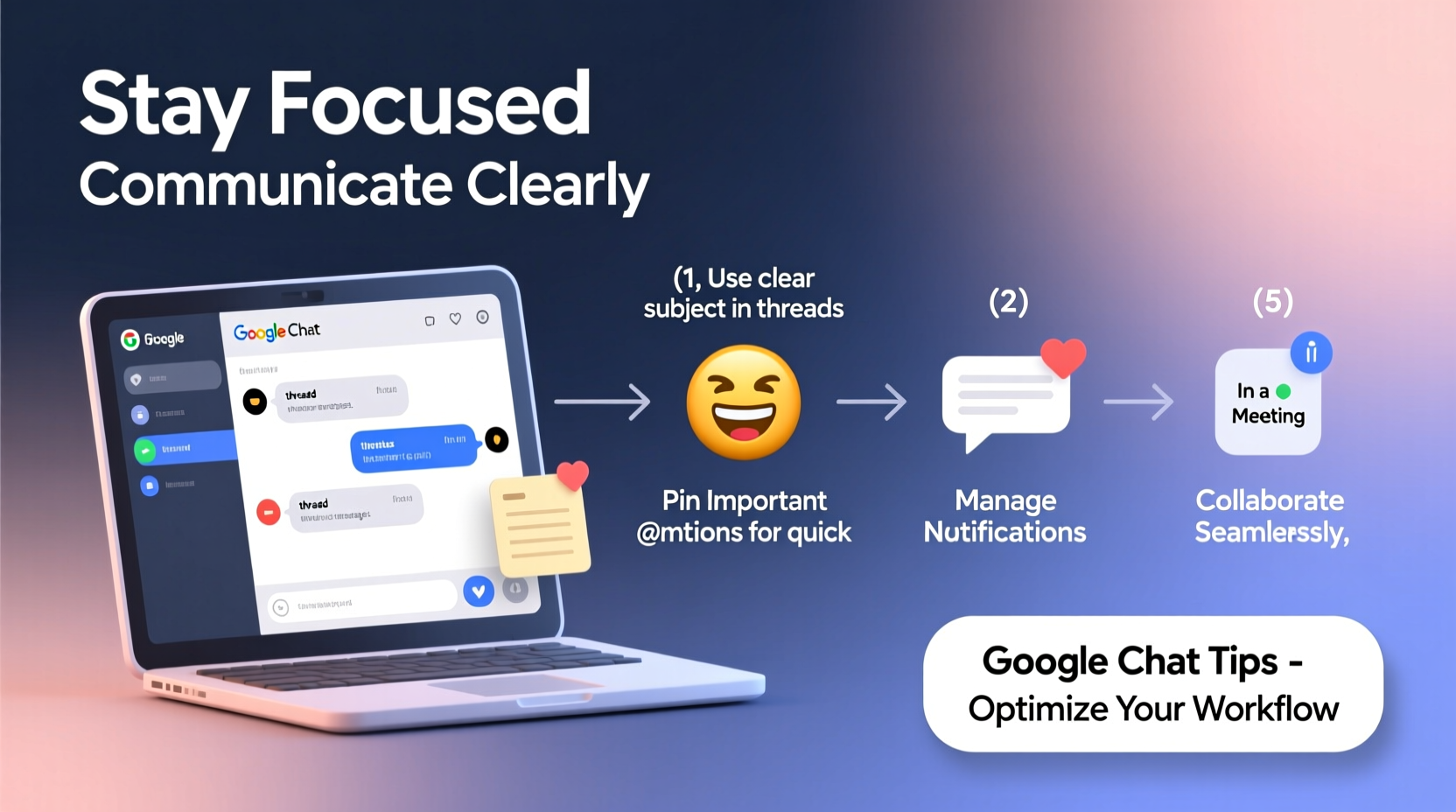
One of Google Chat’s most underutilized features is Spaces—a dedicated environment for group collaboration around specific projects, topics, or teams. Unlike direct messages that scatter information across individual threads, Spaces centralizes discussions, files, and action items in one searchable location.
Create a Space for each active initiative: product launches, quarterly planning, event coordination, or cross-departmental task forces. Invite only relevant stakeholders to keep noise low and focus high. Within a Space, you can pin important messages, assign tasks using @mentions, and integrate third-party apps like Google Calendar, Docs, or Asana for seamless workflow continuity.
Master Message Etiquette for Clarity
Clarity is the cornerstone of productive digital communication. In Google Chat, brevity should never come at the cost of context. A poorly worded message can trigger confusion, unnecessary follow-ups, or even misaligned actions.
- Use complete sentences—avoid cryptic abbreviations unless your team has established shorthand.
- Provide context upfront. Instead of saying “Can we move the deadline?”, say “Can we push the client report deadline from Friday to Monday due to data delays?”
- Leverage formatting: Use asterisks (*) for *italics* and underscores (_) for emphasis, or wrap code snippets in backticks (`) for technical details.
“Clear communication isn’t about writing more—it’s about making every word count.” — Priya Mehta, Remote Work Consultant at FlexWork Labs
Optimize Notifications to Prevent Burnout
Constant pings disrupt deep work and contribute to digital fatigue. Google Chat allows granular control over notifications, which should be customized based on role, priority, and personal productivity rhythms.
Adjust settings per conversation: mute non-urgent Spaces during off-hours, enable mobile alerts only for direct mentions, or set “Do Not Disturb” schedules to protect focus time. Encourage team norms around response expectations—e.g., urgent matters go via call or direct message with “URGENT” in the subject, while routine updates belong in shared Spaces with no expectation of immediate reply.
| Notification Type | Recommended Setting | Rationale |
|---|---|---|
| Direct Messages | Immediate (desktop + mobile) | Personal requests often require timely attention. |
| @mentions in Spaces | Mobile alert + badge indicator | Ensures visibility without intrusive sound. |
| General Space activity | Muted or desktop-only | Reduces noise while allowing periodic check-ins. |
| Urgent team channels | Custom ringtone + vibration | Differentiates critical updates from routine traffic. |
Step-by-Step Guide to Running Effective Check-Ins in Google Chat
Daily standups or weekly syncs don’t need video calls to be effective. Google Chat can host lightweight, asynchronous check-ins that respect time zones and work styles.
- Create a dedicated Space for your team (e.g., “Engineering Team – Daily Sync”).
- Set a recurring reminder using Google Calendar linked to the Space.
- Pin a template message at the top:
[Today's Update] - What I did yesterday: - Today’s priorities: - Blockers (if any): - Ask members to post by 10 a.m. local time, tagging their update with #status.
- Review responses asynchronously; reply only to clarify or unblock.
- Summarize key outcomes in a Friday wrap-up message.
This method reduces meeting fatigue, increases transparency, and creates a searchable record of progress.
Integrate Tools to Minimize Context Switching
Google Chat shines when connected to other apps. Instead of switching between platforms to share a file, assign a task, or schedule a meeting, do it directly within the chat interface.
- Attach Google Docs, Sheets, or Slides—they appear as preview cards with real-time editing links.
- Type “/meet” to generate a Google Meet link instantly for impromptu discussions.
- Use bots or integrations (like Trello, Jira, or Zoom) to receive updates without leaving the app.
Real Example: Streamlining Client Onboarding
A mid-sized SaaS company struggled with disjointed client setup processes. Sales, support, and tech teams exchanged dozens of emails and scattered messages, leading to missed steps and delayed activations.
They created a Google Chat Space named “Client Onboarding – [Company Name]” for each new customer. Upon signing, a bot auto-invited all stakeholders, attached the onboarding checklist (Google Sheet), and scheduled kickoff meetings via /meet. Each task update was posted directly in the Space with @mentions for handoffs. Within two months, average setup time dropped by 38%, and internal miscommunication complaints vanished.
Checklist: Best Practices for Professional Google Chat Use
Adopt this checklist to elevate your team’s communication standards:
- ✅ Use Spaces for project-based collaboration, not just DMs.
- ✅ Pin important documents, deadlines, and decisions.
- ✅ Set clear norms for response times and urgency levels.
- ✅ Mute non-essential conversations during deep work blocks.
- ✅ Use @mentions purposefully—only when input or action is needed.
- ✅ Archive inactive Spaces to reduce clutter.
- ✅ Leverage integrations to keep workflows in one place.
Frequently Asked Questions
Can external guests join a Google Chat Space?
Yes. If your organization allows external sharing, you can invite people outside your domain to a Space. They’ll receive an email invitation and access via a web link. Note: Guest permissions may be limited based on admin settings.
How do I find a message I saw last week?
Use the search bar at the top of Google Chat. You can search by keyword, person, date, or file type. Results include matches from both direct messages and Spaces you’re in, provided the content hasn’t been deleted.
Is Google Chat compliant with data privacy regulations?
Yes. Google Chat is covered under Google Workspace’s compliance framework, including GDPR, HIPAA (for eligible editions), and SOC 2. Data is encrypted in transit and at rest. However, admins should configure retention and export policies according to organizational requirements.
Conclusion
Google Chat is more than a messaging tool—it’s a hub for structured, efficient collaboration. By organizing conversations into purposeful Spaces, setting smart notification habits, integrating essential tools, and establishing clear communication norms, teams can eliminate chaos and focus on what matters: getting work done. The most productive teams aren’t those that message the most, but those that communicate with intention.




 浙公网安备
33010002000092号
浙公网安备
33010002000092号 浙B2-20120091-4
Comments
No comments yet. Why don't you start the discussion?