
Listening to music in public has always come with trade-offs: bulky headphones that draw attention, earbuds that fall out during movement, or speakers that disturb others. Bluetooth glasses offer a compelling alternative—combining audio functionality with everyday eyewear for truly private, hands-free sound. Whether you're walking through a city, working remotely in a café, or simply enjoying a quiet moment outdoors, these smart frames deliver an elegant solution. This guide explores how to use them effectively, maximize comfort, maintain discretion, and get the most from your audio experience.
Why Bluetooth Glasses Are Changing Personal Audio
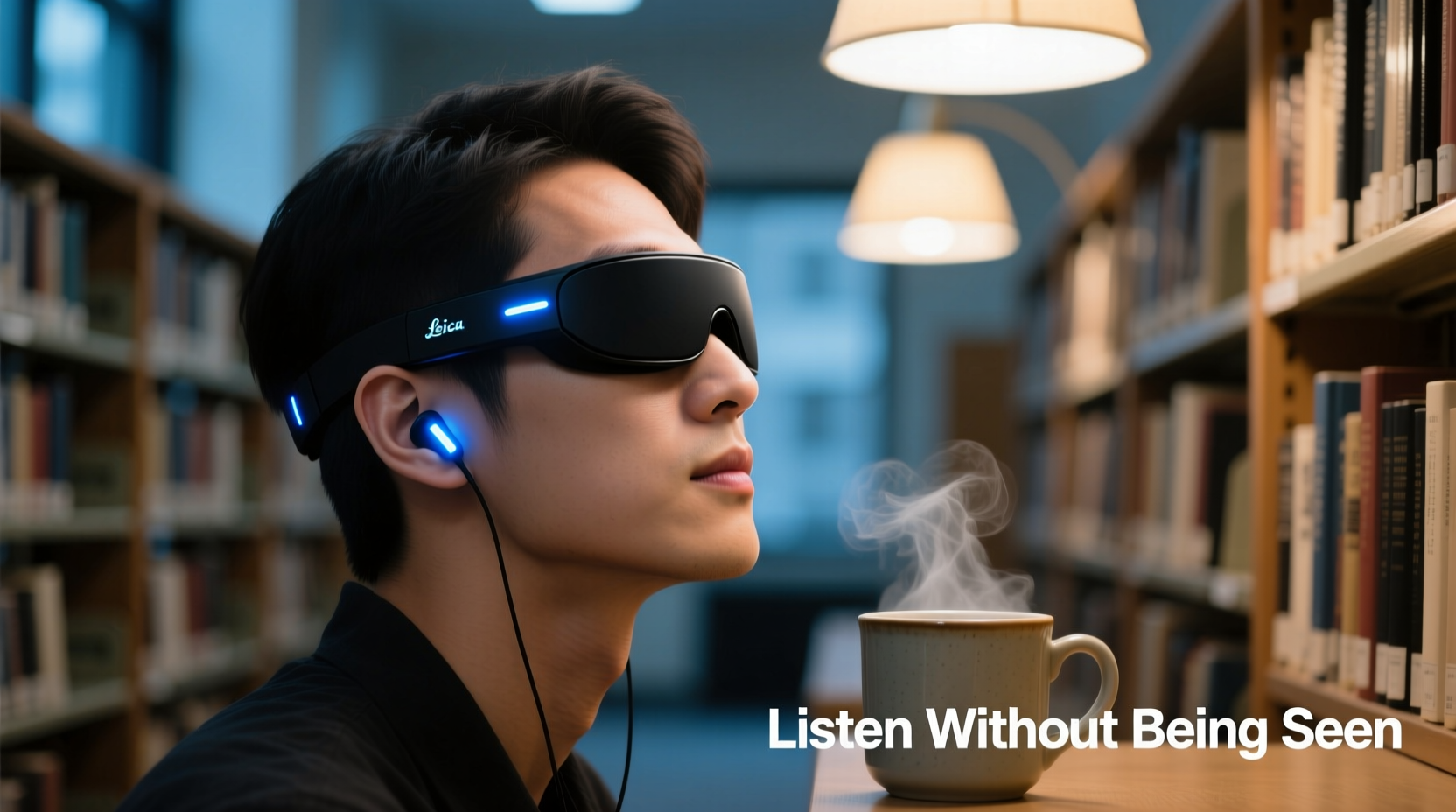
Bluetooth glasses merge two essential accessories—sunglasses or prescription lenses and wireless audio—into one seamless device. Unlike traditional headphones, they emit sound directionally near the ears without blocking them completely, allowing ambient awareness while still delivering crisp audio. This makes them ideal for urban environments, fitness activities, and multitasking scenarios where situational awareness matters.
Manufacturers like Bose, Ray-Ban (Meta), and Amazon have invested heavily in audio-integrated eyewear, refining speaker placement, battery life, and connectivity. The result is a product category that’s no longer just a novelty but a functional tool for professionals, commuters, travelers, and outdoor enthusiasts.
“Bluetooth glasses represent the next evolution in wearable audio—discreet, socially acceptable, and designed for real-world use.” — Dr. Lena Torres, Wearable Technology Researcher, MIT Media Lab
Choosing the Right Pair for Your Lifestyle
Not all Bluetooth glasses are created equal. Selecting the right model depends on your daily routines, audio needs, and visual requirements. Consider the following factors before purchasing:
- Audio Quality: Look for models with open-ear transducers that provide balanced sound without leakage.
- Battery Life: Most offer 3–6 hours of playback; prioritize longer life if you commute or travel frequently.
- Frame Fit: Ensure a snug but comfortable fit—loose frames reduce sound quality and stability.
- Voice Assistant Support: Built-in microphones enable voice commands via Siri, Google Assistant, or Alexa.
- Prescription Compatibility: Some brands allow lens swaps for vision correction.
- Weather Resistance: IP ratings indicate dust and moisture protection—useful for outdoor use.
Step-by-Step Guide to Getting Started
Setting up Bluetooth glasses is straightforward, but optimizing them takes attention to detail. Follow this sequence to ensure smooth integration into your routine:
- Charge Fully Before First Use: Connect via USB-C or magnetic dock as per manufacturer instructions. A full charge typically takes 1–2 hours.
- Power On and Enter Pairing Mode: Press and hold the multifunction button until you hear a tone or voice prompt indicating pairing mode.
- Connect to Your Device: Open Bluetooth settings on your smartphone or tablet, locate the glasses in the device list, and tap to connect.
- Test Audio Placement: Play a track and adjust the volume. Tilt your head slightly to find the optimal sound sweet spot.
- Customize Settings: Use companion apps (e.g., Ray-Ban Meta, Bose Connect) to fine-tune EQ, touch controls, and voice assistant behavior.
- Practice Discreet Controls: Learn how to pause, skip, or answer calls using taps or voice commands without drawing attention.
Maximizing Privacy and Reducing Sound Leakage
The goal of discreet listening means minimizing audio bleed so others nearby don’t overhear your playlist or call. While open-ear designs inherently allow some sound escape, several techniques help keep it under control.
| Do’s | Don’ts |
|---|---|
| Use lower volume levels in crowded spaces | Avoid max volume in quiet environments |
| Position temples securely against your ears | Don’t wear hats or headgear that displace the frames |
| Choose quieter locations when taking calls | Don’t use them in libraries or silent zones |
| Utilize noise-reducing playlists (e.g., instrumental tracks) | Don’t rely solely on glasses in very noisy areas |
Real-World Example: A Day in the Life of a Remote Worker
James, a freelance designer based in Portland, uses his Ray-Ban Meta glasses during his daily co-working sessions at a local coffee shop. He starts his morning walk listening to a curated focus playlist at 40% volume. Once seated, he switches to ambient sounds to stay relaxed but alert. During client calls, he activates the built-in microphone and speaks naturally, relying on directional audio pickup.
What makes the experience work for him is subtlety—he never removes his glasses, so there's no need to fumble with earbuds. When approached by a barista or colleague, he simply pauses playback with a double tap. His setup feels natural, professional, and unobtrusive. Over three months, he reports fewer distractions, less ear fatigue, and improved workflow continuity.
Essential Tips for Long-Term Use and Care
To maintain performance and extend the lifespan of your Bluetooth glasses, follow these best practices:
- Clean the frames regularly with a microfiber cloth; avoid harsh chemicals.
- Store them in a protective case when not in use to prevent scratches and impacts.
- Keep firmware updated via the companion app for bug fixes and new features.
- Turn off the glasses when stored to preserve battery health.
- Avoid exposing them to extreme temperatures, such as leaving them in a hot car.
“Battery longevity and speaker clarity depend heavily on consistent maintenance. Treat them like both electronics and eyewear.” — Marcus Lin, Senior Audio Engineer at Bose
Checklist: Optimizing Your Bluetooth Glasses Experience
- ✅ Charge fully before first use
- ✅ Pair with primary devices (phone, tablet)
- ✅ Download and configure companion app
- ✅ Test audio balance and volume limits
- ✅ Practice touch or voice controls in private
- ✅ Adjust temple tension for secure fit
- ✅ Set up voice assistant shortcuts
- ✅ Establish a cleaning and storage routine
Frequently Asked Questions
Can people around me hear what I'm listening to?
At moderate volumes, sound leakage is minimal and usually only audible within a foot or two. However, in very quiet settings like a library, even low-volume audio may be faintly noticeable. Keeping volume below 50% significantly reduces this risk.
Are Bluetooth glasses suitable for workouts?
Some models are sweat-resistant and secure enough for light exercise, but intense activities may cause slippage. Check the IP rating and design—wraparound styles with rubberized grips perform best during movement.
Can I wear them with prescription lenses?
Yes, many brands offer prescription-ready frames or collaborate with optical retailers. Alternatively, clip-on inserts or custom lens replacements are available depending on the model.
Making Discreet Listening Part of Your Daily Rhythm
Bluetooth glasses redefine what personal audio can be—not just a way to play music, but a tool for staying connected while remaining present in your environment. Their strength lies in invisibility: no wires, no earpieces, no social barriers. When used thoughtfully, they enhance focus, mobility, and auditory privacy without sacrificing awareness.
The key is intentionality. By choosing the right model, mastering the controls, and respecting shared spaces, you turn a tech accessory into a lifestyle upgrade. Whether you're navigating a busy commute, working remotely, or simply unwinding in a park, these glasses let you carry your soundtrack with grace and discretion.




 浙公网安备
33010002000092号
浙公网安备
33010002000092号 浙B2-20120091-4
Comments
No comments yet. Why don't you start the discussion?