
In today’s hyper-connected digital economy, access to mobile contacts can seem like a golden ticket to rapid marketing growth. However, the line between aggressive outreach and ethical engagement is narrow—and crossing it can lead to legal penalties, brand damage, and consumer distrust. Building and selling a cell phone contact database is not inherently unethical, but doing so requires strict adherence to privacy regulations, transparency, and user consent. This guide outlines how businesses and entrepreneurs can legally and responsibly create value from mobile contact data while maintaining compliance and public trust.
Understanding the Legal Landscape
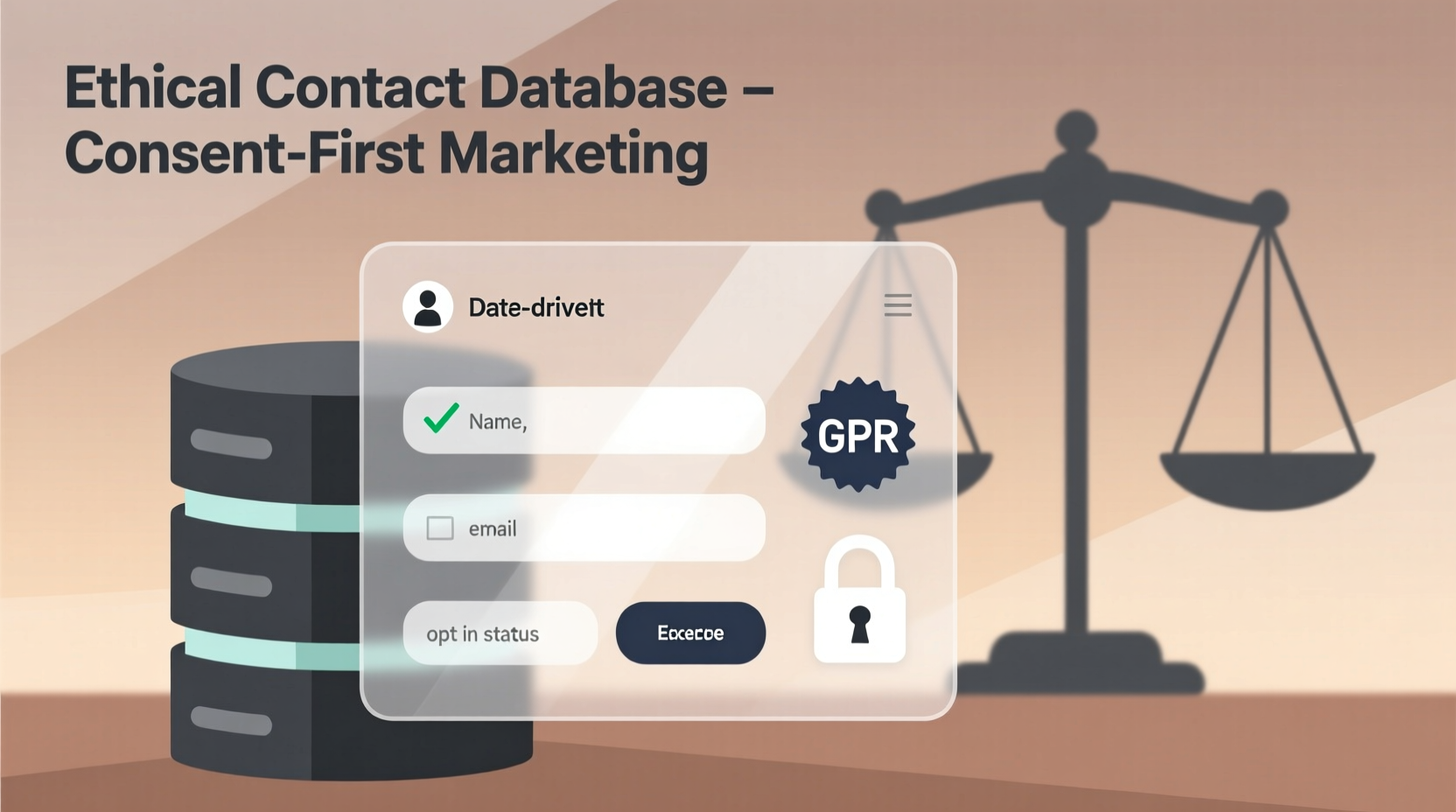
The foundation of any ethical contact database lies in legal compliance. In most jurisdictions, collecting, storing, and transferring personal data—including mobile phone numbers—is governed by comprehensive privacy laws such as the General Data Protection Regulation (GDPR) in Europe, the California Consumer Privacy Act (CCPA), and Canada’s Anti-Spam Legislation (CASL). These laws share common principles: consent must be informed, specific, and freely given; individuals must have the right to access, correct, or delete their data; and businesses must implement appropriate security measures.
Selling mobile contact information without explicit opt-in permission is illegal in many regions. For example, under GDPR, personal data cannot be transferred for monetary gain unless the individual has been clearly informed and has consented to that specific use. Similarly, the Telephone Consumer Protection Act (TCPA) in the United States prohibits unsolicited text messages or calls to cell phones without prior express written consent.
“Data isn’t just an asset—it’s a responsibility. Ethical data practices aren’t optional; they’re the baseline for sustainable business.” — Dr. Lena Patel, Data Ethics Researcher, Stanford University
Building a Database the Right Way: A Step-by-Step Guide
Ethical database creation starts with intentionality and transparency. The goal is not to amass as many numbers as possible, but to cultivate a list of engaged, willing participants who expect and welcome communication. Follow this structured approach:
- Define Your Purpose: Clearly state why you are collecting phone numbers. Is it for appointment reminders, exclusive offers, or SMS updates? Be specific in your messaging.
- Obtain Explicit Consent: Use double opt-in methods. After someone submits their number, send a confirmation message requiring them to reply “YES” or click a link to verify subscription.
- Provide Value Upfront: Offer something useful in exchange for their contact info—a discount, free guide, or early access—to establish mutual benefit.
- Document Consent: Store records of when, where, and how each person opted in. Include IP address, timestamp, and the exact wording of the consent form.
- Maintain Data Hygiene: Regularly clean your list by removing inactive users or those who unsubscribe. This improves deliverability and reduces risk.
Ethical Monetization: Can You Sell the Database?
This is where many businesses stumble. While you can monetize access to a contact list, you cannot sell the raw data itself if it contains personally identifiable information (PII), unless individuals have explicitly agreed to that transfer. Instead, consider these compliant alternatives:
- Licensed Access Partnerships: Allow trusted partners to send targeted campaigns through your platform, with full visibility and user control.
- Revenue Sharing Models: Collaborate with brands on co-branded promotions where users opt into both your list and the partner’s offer simultaneously.
- Data Licensing with Anonymization: Aggregate and anonymize behavioral trends (e.g., purchase frequency, response rates) and license insights—not individual numbers.
Selling unconsented phone numbers is not only illegal but also destroys long-term brand equity. As consumers grow more aware of data misuse, companies associated with shady list sales face backlash, unsubscribes, and reputational harm.
Do’s and Don’ts of Mobile Contact Management
| Do | Don’t |
|---|---|
| Collect numbers via clear sign-up forms with visible privacy policies | Purchase third-party lists with unknown origins |
| Allow users to choose message frequency and type | Send promotional texts without prior consent |
| Use encryption and secure servers to store data | Store unencrypted phone numbers on shared drives or spreadsheets |
| Conduct regular audits of consent records | Assume past engagement equals ongoing permission |
| Offer incentives for referrals (with opt-in) | Auto-enroll customers during checkout without explicit agreement |
A Real-World Example: How a Local Retailer Succeeded Ethically
A boutique clothing store in Portland wanted to launch an SMS marketing campaign. Rather than buying a local directory or scraping social media, they launched a weekend “Text-to-Win” event. Shoppers who visited the store could text a keyword to a short code to enter a prize draw for a $200 gift card. Upon entry, they received a message: “Thanks for joining! Reply YES to get weekly style tips and exclusive deals. Msg&Data rates may apply. Reply STOP to opt out.”
Within three months, they built a list of over 2,500 verified subscribers—all with documented consent. They later partnered with a sustainable footwear brand to run a joint flash sale, sending a single sponsored message to their list. The campaign generated $18,000 in combined sales, and the retailer earned a flat fee for facilitating the outreach—without ever selling a single phone number.
Frequently Asked Questions
Can I sell my contact list if people signed up for a freebie?
No. Signing up for a free guide or discount does not imply consent to have your information sold. Separate, explicit permission is required for data transfer or commercial resale.
What if I want to sell my business? Can I include the contact database?
Yes, but only if your privacy policy at the time of collection disclosed that customer data may be transferred in the event of a sale, and users had the opportunity to opt out. Even then, the acquiring party must honor previous consent terms and allow users to unsubscribe.
Is it okay to rent or license my list to another company?
Only if users were informed about this possibility during opt-in. Blanket licensing without granular consent violates most privacy frameworks. Consider using a permission-based co-marketing platform instead.
Checklist for Ethical Database Development
- ☑ Define the purpose of data collection clearly
- ☑ Implement double opt-in verification for all new sign-ups
- ☑ Draft a transparent privacy policy accessible at point of entry
- ☑ Never buy or trade unverified contact lists
- ☑ Enable easy opt-out mechanisms in every message
- ☑ Encrypt stored data and limit internal access
- ☑ Audit consent records quarterly
- ☑ Partner with brands through co-marketing—not data sales
Conclusion: Integrity Over Instant Gains
The temptation to shortcut the process by purchasing or reselling contact databases is strong, especially when competitors appear to succeed with aggressive tactics. But sustainable marketing success isn’t built on exploited data—it’s built on trust. By prioritizing consent, transparency, and user experience, you create a database that not only complies with the law but also delivers higher engagement, better conversion, and stronger brand loyalty.




 浙公网安备
33010002000092号
浙公网安备
33010002000092号 浙B2-20120091-4
Comments
No comments yet. Why don't you start the discussion?