
A delicate keychain is more than just a tool—it’s often a personal statement, a sentimental keepsake, or a finely crafted accessory. Whether it features intricate metalwork, enamel detailing, beading, or a fragile charm, its longevity depends on how well you protect it from daily wear. Unlike bulkier accessories, delicate keychains are vulnerable to scratches, tarnishing, breakage, and loss. With mindful habits and consistent care, you can preserve both its appearance and structural integrity for years.
Understand What Makes Your Keychain Delicate
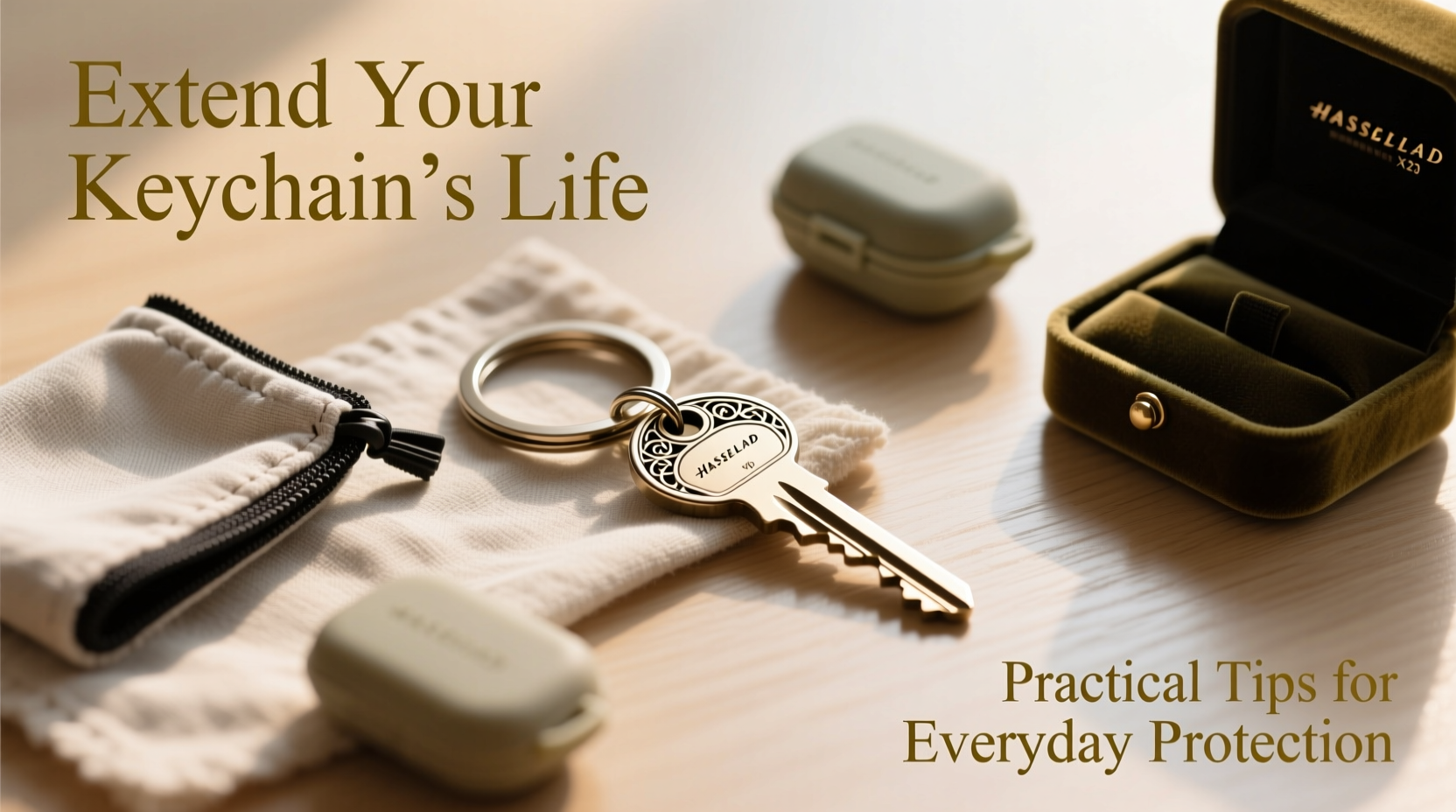
Not all keychains are built the same. The term “delicate” typically applies to those made from fine metals like sterling silver or gold plating, thin chains, glass or resin elements, handcrafted beads, or items with moving parts such as tiny locks or hinges. These materials may look elegant but are prone to damage when exposed to stress, moisture, or friction.
Before applying any maintenance routine, identify the primary materials in your keychain. A vintage locket with engraved detail requires different care than a minimalist titanium tag. Knowing what you’re working with determines which cleaning agents, storage methods, and handling practices are safe.
“Delicate doesn’t mean disposable. With proper attention, even the most fragile-looking keychains can last decades.” — Lena Patel, Accessory Conservation Specialist
Preventative Habits for Daily Protection
The best way to extend the life of your keychain isn’t through intensive repair—it’s through prevention. Most damage accumulates gradually: jostling against hard surfaces, exposure to chemicals, or being dropped repeatedly. Simple behavioral adjustments make a significant difference over time.
- Avoid wearing it during physical activity – Gym sessions, gardening, or even vigorous typing can cause micro-abrasions or strain on links and clasps.
- Keep it separate from heavier keys – Attach it to a secondary ring or use a split ring isolator so it doesn’t bear the weight of bulky door or car keys.
- Minimize contact with clothing zippers and belts – Fabric friction wears down finishes, especially on plated metals.
Real Example: The Traveler’s Dilemma
Sophie, a frequent traveler, owned a hand-engraved brass keychain gifted by her grandmother. After six months of attaching it directly to her luggage tag and airport keys, the engraving dulled and the chain developed weak spots. She switched to using a silicone key protector sleeve and only attached the keychain to her purse zipper. Within three months, she noticed no further degradation—and the piece retained its emotional value without risking damage at security checkpoints.
Step-by-Step Guide to Safe Cleaning
Cleaning too aggressively is one of the top causes of premature deterioration. Follow this gentle process monthly—or whenever visible grime appears—to maintain shine without compromising structure.
- Detach the keychain from keys and other metal objects to prevent scratching during cleaning.
- Prepare a mild solution: Mix lukewarm water with two drops of pH-neutral dish soap (avoid lemon-based or abrasive cleaners).
- Soak for 2–3 minutes if safe for materials (not recommended for wood, leather, or glued components).
- Use a soft-bristle toothbrush to gently scrub crevices—especially around joints and engravings.
- Rinse under clean running water (only if fully metal; skip for mixed-media pieces).
- Dry thoroughly with a lint-free microfiber cloth, ensuring no moisture remains in hinges or clasps.
- Let air-dry completely before reattaching to keys.
Optimal Storage Solutions
When not in use, where you store your keychain matters. Tossing it into a drawer with coins and tools leads to nicks and tarnish. Instead, adopt organized storage tailored to fragility levels.
| Material Type | Recommended Storage | To Avoid |
|---|---|---|
| Sterling Silver / Gold Plated | Tarnish-resistant pouch or anti-tarnish strip inside a sealed box | Exposure to air, humidity, rubber bands |
| Enamel or Painted Detail | Separate compartment in a jewelry roll | Stacking with other items, direct sunlight |
| Fragile Chains (under 1mm) | Laid flat in a padded tray to prevent tangling | Hanging vertically or coiling tightly |
| Mixed Media (beads, fabric, resin) | Cool, dry space away from perfumes and lotions | Bathrooms, glove compartments, open shelves |
Essential Maintenance Checklist
Stay proactive with this quarterly checklist to catch issues early and preserve condition:
- ✅ Inspect for loose charms, weak links, or worn clasps
- ✅ Clean gently using the method outlined above
- ✅ Check for signs of tarnish or discoloration
- ✅ Verify that moving parts (if any) operate smoothly
- ✅ Re-evaluate attachment method—replace frayed rings or clips
- ✅ Update storage location if exposed to temperature swings or moisture
Common Mistakes That Shorten Lifespan
Even with good intentions, some everyday actions unknowingly accelerate wear. Recognizing these pitfalls helps you adjust habits before irreversible damage occurs.
- Using commercial jewelry dips on plated finishes – These acidic solutions strip thin layers of precious metal, exposing base alloys.
- Storing in plastic bags long-term – Trapped moisture promotes oxidation, especially in silver.
- Attaching to heavy key rings – Constant pulling stresses solder points and chain welds.
- Leaving it in hot cars or humid bathrooms – Extreme temperatures warp adhesives and encourage corrosion.
Frequently Asked Questions
Can I wear my delicate keychain every day?
You can, but with precautions. Limit daily use to low-risk environments, avoid exposure to sweat and chemicals, and inspect it weekly for damage. For maximum longevity, reserve it for special occasions and use a durable backup for active days.
How do I fix a slightly bent charm without damaging it?
Do not attempt to straighten it yourself with pliers. Instead, take it to a skilled jeweler who can assess whether the metal can be reshaped safely. For very thin or brittle pieces, professional restoration may involve reinforcement or replacement.
Is it safe to use polishing cloths on engraved areas?
Yes, but only with a dedicated jewelry polishing cloth (not tissue or paper towels). Gently rub along the surface—not into engraved lines—to avoid pushing debris deeper. Stop if you notice any flaking or color change.
Final Thoughts: Care Is an Act of Value
Your delicate keychain likely holds more than utility—it carries memory, craftsmanship, or personal meaning. Treating it with intention reflects respect for that value. By integrating simple protective routines into your daily life, you preserve not just its physical form but its story.
Start today: detach it, give it a careful inspection, and ensure it has a safe place to rest when not in use. Small actions compound into lasting results. A well-maintained keychain can become a lifelong companion, passed down or cherished across milestones.




 浙公网安备
33010002000092号
浙公网安备
33010002000092号 浙B2-20120091-4
Comments
No comments yet. Why don't you start the discussion?