
A leather jacket is more than just outerwear—it’s an investment in style, comfort, and confidence. Whether it’s a vintage biker piece, a sleek bomber, or a tailored trench-style coat, quality leather ages beautifully when cared for correctly. But neglect can lead to cracking, fading, stiffness, and irreversible damage. The good news? With consistent, thoughtful maintenance, you can preserve its look and integrity for decades. This guide breaks down practical, proven methods to keep your leather jacket looking and feeling exceptional year after year.
Understand Your Leather Type
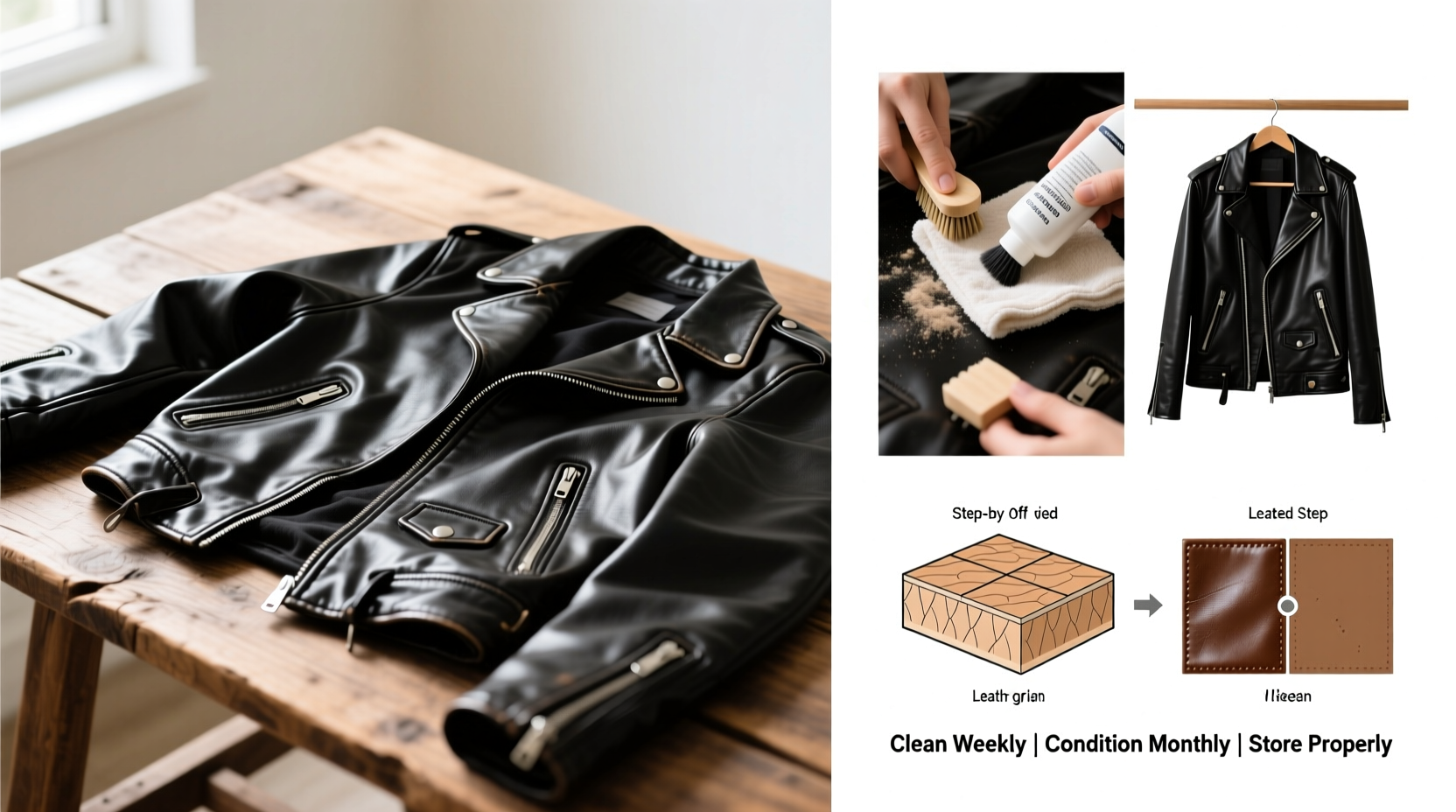
Not all leather is created equal. Knowing the type of leather your jacket is made from is the first step toward proper care. Different finishes and tanning processes react differently to moisture, heat, and cleaning products.
| Leather Type | Description | Care Considerations |
|---|---|---|
| Full-Grain Leather | The highest quality; retains natural grain and durability. | Requires conditioning; develops a rich patina over time. |
| Top-Grain Leather | Sanded and refinished for a smoother surface; slightly less durable than full-grain. | Resists stains better but needs protection from drying out. |
| Corrected-Grain Leather | Imperfect hides treated with pigments and embossing. | Less breathable; avoid excessive moisture and harsh cleaners. |
| Suede & Nubuck | Velvet-like texture from sanded inner layers (suede) or outer layers (nubuck). | Highly susceptible to water and stains; requires specialized brushes and sprays. |
Mistaking one type for another can lead to improper cleaning—like using a heavy conditioner on suede, which may cause staining. Always check the garment label or consult the manufacturer if unsure.
Establish a Regular Cleaning Routine
Dirt, sweat, and environmental pollutants accumulate on leather over time, breaking down fibers and attracting moisture. A consistent cleaning schedule prevents buildup without overhandling the material.
Step-by-Step Cleaning Process
- Dust and Wipe Down Monthly: Use a soft, dry microfiber cloth to remove surface dust. For textured leather, a suede brush works gently in one direction.
- Spot Clean as Needed: Dampen a clean cloth with distilled water and mild pH-balanced leather soap. Gently dab stains—never rub aggressively.
- Deep Clean Every 6–12 Months: Use a dedicated leather cleaner suited to your jacket’s finish. Apply sparingly with a lint-free cloth, following product instructions precisely.
- Allow Proper Drying: Never use heat sources. Let the jacket air-dry at room temperature, away from direct sunlight or radiators.
Avoid household cleaners like vinegar, alcohol, or dish soap—they strip natural oils and degrade finishes. Even “natural” remedies can be too acidic for delicate leathers.
“Leather is skin. Treat it like your own—clean gently, moisturize regularly, and protect from extremes.” — Daniel Reyes, Master Leather Artisan & Restorer
Conditioning: The Secret to Long-Term Flexibility
Leather naturally loses oils over time, especially with exposure to dry air, UV light, and friction. Without replenishment, it becomes brittle and prone to cracks. Conditioning restores suppleness and helps repel moisture.
How to Condition Your Jacket
- Choose a high-quality leather conditioner free from silicones and waxes that clog pores.
- Apply a small amount to a soft cloth and work it into the leather in circular motions.
- Focus on high-wear areas: elbows, collar, cuffs, and zipper edges.
- Let absorb for 15–30 minutes, then buff lightly with a dry cloth.
Frequency depends on climate and wear. In dry environments or with frequent use, condition every 3–4 months. In milder conditions, twice a year may suffice.
Smart Storage Practices Year-Round
Where and how you store your jacket during off-seasons determines much of its longevity. Poor storage leads to creasing, mold, color transfer, and warping.
Do’s and Don’ts of Leather Storage
| Do’s | Don’ts |
|---|---|
| Store on a wide, padded hanger to maintain shoulder shape. | Use wire hangers—they create permanent dents. |
| Keep in a breathable cotton garment bag. | Store in plastic bags—trapped moisture encourages mildew. |
| Choose a cool, dark, dry closet with stable humidity (40–50%). | Leave in attics, basements, or garages—extreme temps damage leather. |
| Button or zip up the jacket to prevent deep creases. | Fold for long-term storage—this causes stress fractures. |
If you live in a humid climate, place a silica gel pack inside the storage bag to absorb excess moisture. Avoid cedar blocks directly against leather—they can transfer oils that discolor finishes.
Seasonal Rotation Tip
Before storing your jacket for several months, give it a light clean and fresh conditioning. Dust and body oils left unattended can oxidize and stain over time. Recondition again when you retrieve it for wear.
Real Example: Reviving a Neglected Heirloom Jacket
Mark inherited his father’s 1978 motorcycle jacket—once a prized possession, now stiff and dull from years in a basement box. The leather had faded at the shoulders and cracked near the elbows. Instead of discarding it, he consulted a local leather workshop.
The restorer began by vacuuming surface dust with a soft brush attachment, then cleaned with a pH-neutral solution. After drying, a glycerin-based conditioner was applied in layers over three days. Finally, a colorless protective spray shielded the surface from future UV damage.
The result? The jacket regained flexibility and a subtle luster. While minor cracks remained visible as part of its story, the garment was wearable and structurally sound. Mark now conditions it every four months and stores it in a breathable cover on a padded hanger. What was nearly trash became a cherished, functional heirloom.
“Every leather jacket has a second life—if you’re willing to put in the care.” — Lena Torres, Heritage Leather Conservator
Handling Spills, Stains, and Weather Damage
Accidents happen. Rain, coffee spills, or perfume sprays can compromise leather if not addressed quickly.
Immediate Response Guide
- Water Exposure: Blot with a dry cloth. Let air-dry slowly—never near a heater. Once dry, condition to restore lost moisture.
- Oil-Based Stains (grease, makeup): Sprinkle cornstarch or talc, let sit overnight, then brush off. Repeat if needed.
- Ink Marks: Dab *very lightly* with a cotton swab dipped in rubbing alcohol—only on non-suede leather. Test first.
- Salt Stains (from winter roads): Mix equal parts water and white vinegar, dampen a cloth, and gently wipe. Dry and condition afterward.
For stubborn or large stains, professional cleaning is safer than DIY experimentation. One mistake can permanently alter texture or color.
Essential Care Checklist
Stay proactive with this seasonal checklist to ensure your leather jacket remains in peak condition:
- ✔ Wipe down monthly with a dry microfiber cloth
- ✔ Spot clean stains immediately using appropriate method
- ✔ Deep clean every 6–12 months with leather-safe product
- ✔ Condition every 3–6 months (more often in dry climates)
- ✔ Inspect for loose stitching, zipper issues, or early cracks
- ✔ Store properly on a padded hanger in a breathable garment bag
- ✔ Keep away from direct sunlight and heat sources
- ✔ Use a leather protector spray annually (especially before winter)
Frequently Asked Questions
Can I wear my leather jacket in the rain?
You can, but not frequently. Occasional light rain won’t ruin it if you blot it dry and condition afterward. However, prolonged exposure weakens fibers and invites mold. If caught in a storm, hang it to dry naturally—never use a hairdryer—and treat it within 24 hours.
How do I know if my leather needs conditioning?
Run your hand over the surface. If it feels dry, rough, or looks faded in patches, it’s time. Another sign: slight whitening when bent. That indicates dehydration, not necessarily damage—yet.
Is it safe to use shoe polish on a leather jacket?
No. Shoe polishes are formulated for thicker, stiffer leathers and often contain dyes and waxes that clog the pores of garment leather. They can also create uneven shine or discoloration. Always use products designed specifically for apparel leather.
Protecting Your Investment Starts Today
A well-cared-for leather jacket doesn’t just last—it evolves. It molds to your shape, deepens in color, and carries the marks of your journey with pride. But that transformation depends on consistent attention. From understanding your leather type to mastering conditioning rhythms and avoiding common storage mistakes, every small action compounds over time.
You don’t need expensive tools or hours of effort. Just awareness, the right products, and a few disciplined habits. Start tonight: take your jacket off the hook, inspect it, wipe it down, and assess whether it needs moisture. These moments of care turn a garment into a legacy.




 浙公网安备
33010002000092号
浙公网安备
33010002000092号 浙B2-20120091-4
Comments
No comments yet. Why don't you start the discussion?