
Acne scars can linger long after breakouts have cleared, affecting confidence and skin texture. While over-the-counter and clinical treatments exist, many people are turning to natural solutions for their gentler, sustainable, and cost-effective approach. The good news: certain plant-based and naturally derived ingredients have been scientifically shown to support skin regeneration, reduce hyperpigmentation, and improve overall tone and texture. This guide explores the most effective natural ingredients backed by research, real-world results, and expert insight—so you can make informed choices in your skincare journey.
The Science Behind Acne Scarring
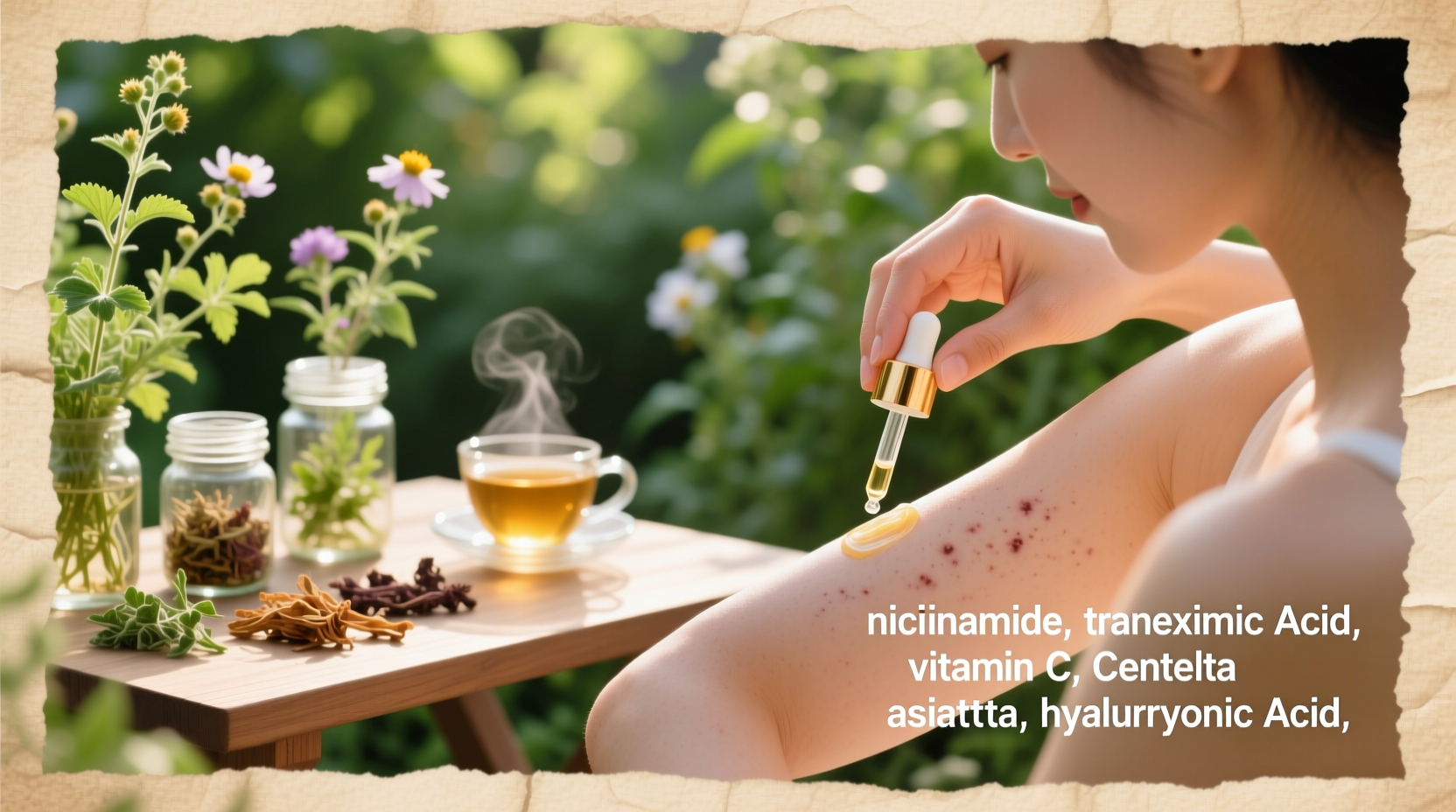
Acne scars form when inflamed blemishes damage the skin’s underlying tissue. As the body produces collagen to repair itself, an imbalance—either too much or too little—can lead to raised (hypertrophic) or indented (atrophic) scars. Post-inflammatory hyperpigmentation (PIH), often mistaken for scarring, is a dark spot left behind after acne heals due to excess melanin production.
Natural remedies work best on early-stage discoloration and mild textural changes. They typically function by promoting cell turnover, inhibiting melanin synthesis, reducing inflammation, and stimulating collagen production. Unlike harsh chemical peels or lasers, natural ingredients offer gradual improvement with minimal side effects when used consistently.
“Natural doesn’t always mean weak. Ingredients like azelaic acid from grains and niacinamide from vitamin B3 have clinical evidence supporting their efficacy in treating pigmentation and improving skin barrier health.” — Dr. Lena Reyes, Board-Certified Dermatologist
Top 6 Natural Ingredients That Actually Work
Not all natural ingredients are created equal. Some are hyped without evidence, while others have stood up to scientific scrutiny. Below are six of the most effective natural or nature-derived compounds proven to fade acne scars.
1. Rosehip Oil
Pressed from the seeds of wild rose bushes, rosehip oil is rich in essential fatty acids (omega-3 and omega-6), vitamin A (as trans-retinoic acid), and antioxidants. These components help regenerate skin cells, reduce pigmentation, and improve elasticity.
A 2015 study published in *Clinical Interventions in Aging* found that participants using rosehip oil twice daily for eight weeks showed significant improvement in scar appearance and skin hydration compared to placebo.
2. Niacinamide (Vitamin B3)
Niacinamide is a water-soluble vitamin derived from plants and yeast. It’s not just “natural-inspired”—it’s naturally occurring in the body and plays a crucial role in cellular energy and repair.
This ingredient reduces inflammation, regulates sebum production, and blocks the transfer of melanin to skin cells, making it highly effective against post-acne dark spots. Clinical trials show that a 5% concentration applied twice daily can visibly lighten hyperpigmentation within 4–8 weeks.
3. Green Tea Extract (Camellia sinensis)
Green tea contains potent polyphenols, particularly epigallocatechin gallate (EGCG), which has anti-inflammatory and antioxidant properties. When applied topically, it helps calm irritated skin and prevents further damage from free radicals.
A 2017 study in the *Journal of Investigative Dermatology* demonstrated that green tea extract reduced UV-induced pigmentation and improved skin texture in subjects with moderate acne scarring.
4. Licorice Root Extract
Licorice root contains glabridin, a compound that inhibits tyrosinase—the enzyme responsible for melanin production. This makes it a powerful agent for fading dark marks without bleaching surrounding skin.
Its anti-inflammatory effects also soothe redness and irritation, making it ideal for sensitive or acne-prone complexions. Look for serums or creams listing \"glycyrrhiza glabra\" extract in concentrations of 1–2%.
5. Aloe Vera
Famous for its wound-healing properties, aloe vera gel stimulates fibroblast activity—cells responsible for producing collagen and elastin. It also contains aloesin, a natural compound shown to suppress melanin synthesis.
In a double-blind trial, participants applying aloe vera gel twice daily saw a 72% improvement in PIH after four weeks, compared to 35% in the control group.
6. Turmeric (Curcuma longa)
Turmeric’s active component, curcumin, has strong anti-inflammatory and antioxidant effects. It modulates multiple pathways involved in skin healing and pigmentation.
While oral supplementation shows promise, topical application in masks (combined with honey or yogurt) can gently exfoliate and brighten scarred areas. Caution: turmeric may temporarily stain light skin—patch test first.
How to Build a Natural Scar-Fading Routine
Consistency and proper layering are key. Here’s a step-by-step daily routine using natural ingredients for optimal results.
Morning Routine
- Cleanse: Use a gentle, non-comedogenic cleanser with green tea or chamomile.
- Tone (optional): Apply a witch hazel-free toner with rosewater or niacinamide.
- Treat: Apply a serum with 5% niacinamide or licorice root extract.
- Mist: Spritz with green tea-infused facial mist for antioxidant protection.
- Moisturize: Use a lightweight moisturizer containing aloe vera or squalane.
- Protect: Always finish with SPF 30+—sun exposure worsens pigmentation.
Night Routine
- Double Cleanse: Remove makeup/sunscreen with oil (e.g., jojoba), then use a water-based cleanser.
- Exfoliate (2–3x/week): Use a gentle lactic acid or fruit enzyme mask (papaya or pineapple).
- Treat: Apply rosehip oil or a turmeric-aloe mask 2–3 times per week.
- Hydrate: Seal with a nourishing cream containing shea butter or calendula.
Do’s and Don’ts: Natural Skincare Pitfalls to Avoid
| Do’s | Don’ts |
|---|---|
| Do patch test new ingredients behind the ear or on the jawline. | Don’t use undiluted essential oils directly on scars—can cause burns. |
| Do combine ingredients like niacinamide + rosehip oil for enhanced effect. | Don’t expect overnight results—natural fading takes 6–12 weeks. |
| Do protect skin from sun with mineral sunscreen (zinc oxide). | Don’t scrub aggressively—physical exfoliation worsens scarring. |
| Do store oils in dark glass bottles away from heat and light. | Don’t layer too many actives at once—can overwhelm the skin barrier. |
Real Results: A Mini Case Study
Sophia, a 28-year-old graphic designer from Portland, struggled with persistent PIH from teenage cystic acne. Frustrated with prescription creams causing dryness, she transitioned to a natural regimen focusing on consistency and ingredient synergy.
Her protocol:
- Morning: Niacinamide serum + zinc sunscreen
- Night: Rosehip oil every other night, aloe-turmeric mask twice weekly
- Exfoliation: Weekly papaya enzyme mask
After ten weeks, Sophia noticed a visible reduction in the darkness of her scars, especially on the cheeks. Her skin felt smoother, and she reported fewer flare-ups. A dermatologist confirmed a 60% improvement in pigmentation during a follow-up visit.
“I didn’t think natural products could do this much,” she said. “But being patient and sticking to a simple routine made all the difference.”
Your 6-Week Action Checklist
Follow this structured plan to maximize natural scar fading:
- Week 1: Identify your scar type (PIH vs. atrophic). Begin gentle cleansing and daily SPF.
- Week 2: Introduce one active ingredient (e.g., niacinamide serum) morning and night.
- Week 3: Add rosehip oil at night. Start patch testing aloe-turmeric mask.
- Week 4: Begin weekly exfoliation with enzyme mask. Monitor for irritation.
- Week 5: Assess progress. Adjust frequency based on skin response.
- Week 6: Take comparison photos. Consider adding licorice root extract if pigmentation persists.
Frequently Asked Questions
Can lemon juice really fade acne scars?
No. Despite its popularity, lemon juice is highly acidic (pH ~2) and can disrupt the skin barrier, leading to irritation, increased sun sensitivity, and even post-inflammatory hyperpigmentation. Citric acid in controlled formulations is safe, but raw citrus should be avoided on healing skin.
How long does it take for natural ingredients to work?
Visible improvements typically appear within 6–8 weeks of consistent use. Full results may take 3–6 months depending on scar depth, skin type, and sun protection habits. Patience and routine adherence are critical.
Are natural remedies safe for dark skin tones?
Yes—many natural ingredients like niacinamide, aloe vera, and licorice root are well-suited for melanin-rich skin and help prevent PIH. However, avoid abrasive scrubs and harsh acids, which can trigger more pigmentation in deeper skin tones.
Conclusion: Nature Meets Science for Lasting Results
Fading acne scars naturally isn’t about quick fixes or viral hacks—it’s about harnessing the power of time-tested, scientifically supported ingredients with discipline and care. Rosehip oil, niacinamide, green tea, licorice root, aloe vera, and turmeric each bring unique benefits that, when combined thoughtfully, can transform scarred skin into a clearer, more even canvas.
The key lies in consistency, sun protection, and understanding your skin’s needs. By avoiding common pitfalls and following a structured, gentle approach, you empower your skin to heal at its own pace—without compromise.




 浙公网安备
33010002000092号
浙公网安备
33010002000092号 浙B2-20120091-4
Comments
No comments yet. Why don't you start the discussion?