
Receiving a call from an unfamiliar number, getting a message from an unknown sender, or encountering someone online without clear identification can be unsettling. Whether it’s a missed call from a potential employer, a suspicious text, or curiosity about a social media profile, knowing how to identify unknown contacts is a valuable skill in today’s digital world. The key lies in using reliable, ethical, and often free tools and techniques that respect privacy while providing clarity.
While the internet has made information more accessible than ever, it's important to approach identity verification responsibly. This guide outlines proven methods—from reverse phone lookup to social media analysis—that help you uncover who someone really is, all while staying within legal boundaries.
Reverse Phone Lookup: Start with the Number
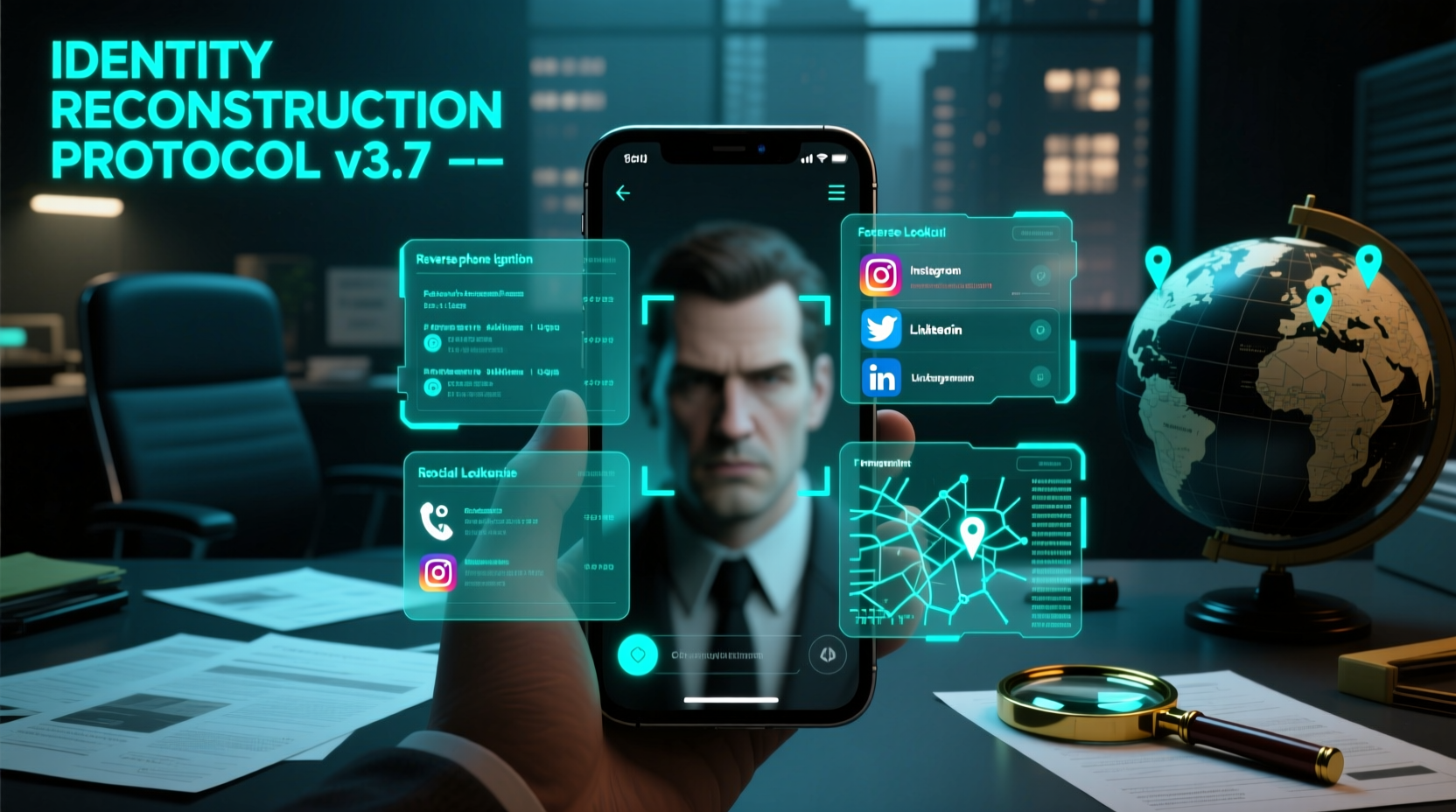
One of the most straightforward ways to identify an unknown contact is through a reverse phone lookup. Unlike traditional directories where you search by name to get a number, this method works backward—inputting a phone number to reveal associated details such as name, location, carrier, and sometimes even social media profiles.
Many free services offer basic reverse lookup functionality. Websites like Whitepages, Truecaller, and CocoFinder allow you to enter a number and receive preliminary results. While free versions may only show limited data, they often confirm whether a number is linked to a real person or a scam operation.
Paid services typically provide more detailed reports, including address history, possible relatives, and background checks. These are especially useful if you're vetting someone for personal safety or professional reasons. Always verify the legitimacy of paid platforms before entering payment information.
Search Social Media Platforms Strategically
Social media is a goldmine for identity verification—if used correctly. Most people maintain some form of public presence on platforms like Facebook, Instagram, LinkedIn, or Twitter (X). A targeted search using available details can yield accurate results.
Start with minimal information: a first name, phone number, or email address. On Facebook, use the search bar and filter by “People.” Instagram allows searches via username or full name. LinkedIn is particularly effective for professional identification due to its structured profiles and work history.
For greater accuracy, combine clues. For example, if you know the person lives in Denver and works in IT, include those keywords in your search. Avoid sending direct messages unless necessary; instead, analyze shared content, mutual connections, and tagged photos for confirmation.
“Social media profiles often contain verifiable information such as employment history, education, and geotagged posts that can help confirm identity.” — Sarah Lin, Digital Privacy Consultant
Use Email Address Tracing Tools
An email address can be one of the most powerful identifiers. Even a partial match can lead to a full profile when cross-referenced with databases. Tools like Hunter.io, VoilaNorbert, and Pipl specialize in linking email addresses to real names, job titles, and company affiliations.
If you’ve received an email from an unknown sender, copy the address and run it through one of these platforms. Some services integrate with LinkedIn, allowing you to view professional backgrounds directly. Google searching the email in quotes (e.g., \"john.doe@example.com\") can also surface forum posts, public records, or website registrations.
Be cautious with disposable email addresses (e.g., from Gmail, Yahoo) that lack domain-specific ties. However, corporate emails (e.g., name@company.com) are highly traceable and often indicate legitimate professional identities.
Step-by-Step Guide to Identifying an Unknown Contact
Follow this systematic approach to maximize your chances of accurate identification while minimizing wasted effort:
- Gather all available information – Save the phone number, email, username, or any message content.
- Perform a reverse phone lookup – Use Truecaller or Whitepages to check if the number is registered.
- Search the number or name on social media – Look across major platforms using exact matches.
- Run an email search – Use Hunter.io or Google to trace the origin of an email address.
- Cross-reference findings – Match locations, job titles, or mutual connections to confirm identity.
- Assess credibility – Determine if the contact is legitimate, potentially harmful, or simply misidentified.
This methodical process reduces guesswork and increases confidence in your conclusions. It’s especially helpful when dealing with potential scams or verifying someone before meeting in person.
Do’s and Don’ts When Investigating Unknown Contacts
| Do’s | Don’ts |
|---|---|
| Use publicly available information ethically | Stalk, harass, or threaten the individual |
| Cross-check data across multiple sources | Rely solely on unverified apps or forums |
| Respect privacy and avoid sharing sensitive findings | Post personal details online or expose identities publicly |
| Report suspicious activity to authorities if needed | Engage in illegal surveillance or hacking |
Real Example: Uncovering a Phishing Scam
A freelance graphic designer received an email claiming to be from a well-known agency, offering a high-paying project. The sender used a professional tone and included a contract attachment. Suspicious of the too-good-to-be-true offer, she decided to investigate.
She extracted the sender’s email (creative.hiring@designgroup-mail.com) and searched it on Google. No official company website listed that address. She then used Hunter.io, which showed no verified association with any legitimate business. A reverse lookup on the phone number provided in the signature revealed it was flagged on multiple scam-reporting sites.
Further, her LinkedIn search for the supposed hiring manager returned no matches. Armed with this evidence, she reported the email to the FTC and warned her network. What seemed like a promising opportunity turned out to be a phishing attempt designed to steal login credentials.
This case illustrates how combining simple tools and skepticism can prevent financial or data loss.
Checklist: How to Verify an Unknown Contact Safely
- ✅ Save the phone number, email, or username
- ✅ Perform a reverse phone lookup using a trusted service
- ✅ Search the name or details on Facebook, LinkedIn, and Instagram
- ✅ Run the email through a tracing tool like Hunter.io or Pipl
- ✅ Google the information in quotes for public mentions
- ✅ Cross-verify location, job title, or mutual connections
- ✅ Report suspicious behavior to relevant platforms or authorities
- ✅ Avoid confrontation or disclosure of your own sensitive data
Frequently Asked Questions
Can I find someone’s identity using just a phone number?
Yes, in many cases. Reverse lookup services can reveal the owner’s name, carrier, and location, especially for landlines or numbers tied to public directories. Mobile numbers may be harder to trace if unlisted, but patterns of use (e.g., spam reports) can still provide clues.
Are free people search tools reliable?
Some free tools are reliable for basic information, but they may lack depth or timeliness. Services like Truecaller and Whitepages offer free tiers with ads or limited results. For thorough checks—especially involving safety or legal matters—a paid report from a reputable provider is often worth the investment.
Is it legal to look up someone’s personal information?
Yes, as long as you use publicly available data and do not engage in harassment, stalking, or unauthorized access. Researching someone for personal safety, professional vetting, or reconnecting with old contacts is generally acceptable. Misusing information or violating privacy laws can lead to legal consequences.
Conclusion: Stay Informed, Stay Safe
Knowing how to identify unknown contacts empowers you to make safer decisions in both personal and professional contexts. From reverse lookups to strategic social media searches, the tools at your disposal are more accessible than ever. The key is to use them wisely, ethically, and with a focus on verification rather than intrusion.
Whether you’re screening a job offer, checking a missed call, or reconnecting with someone from your past, applying these methods systematically will give you clarity and confidence. Technology should serve as a shield, not a weapon—use it to protect yourself and others.




 浙公网安备
33010002000092号
浙公网安备
33010002000092号 浙B2-20120091-4
Comments
No comments yet. Why don't you start the discussion?