
Watching hummingbirds dart and hover around a feeder is one of the most mesmerizing experiences in backyard birding. Their iridescent feathers, rapid wingbeats, and fearless curiosity make them a favorite among nature enthusiasts. But to enjoy this spectacle up close, placement matters. A poorly positioned feeder may go unnoticed—or worse, expose birds to danger or inconvenience for you to observe. Finding the ideal spot requires balancing visibility, safety, accessibility, and environmental factors. This guide walks through the key considerations and practical steps to help you choose the perfect location for your hummingbird feeder.
Understand Hummingbird Behavior and Preferences
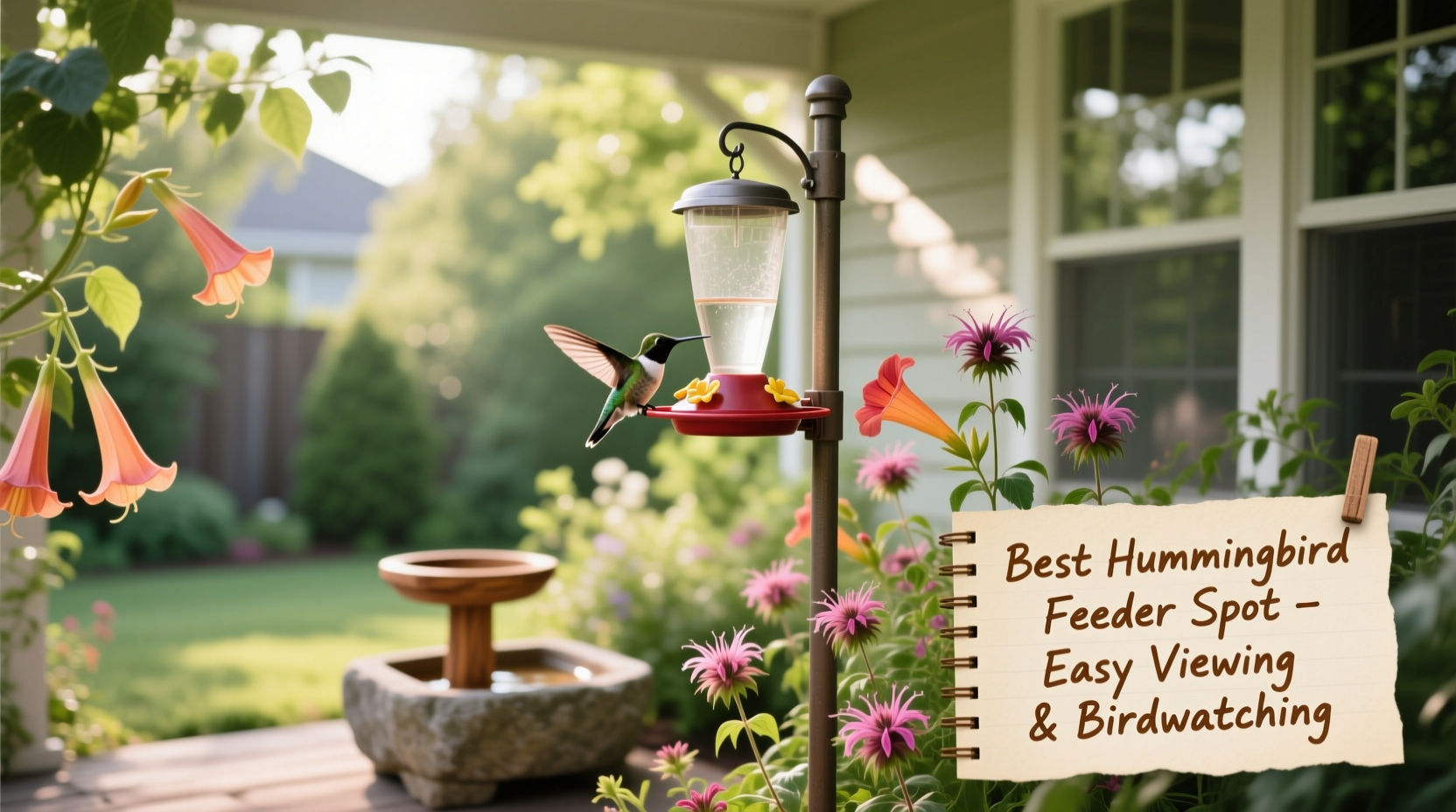
Hummingbirds are highly territorial and visually oriented. They rely on sight more than sound when locating food sources. Bright red and orange colors attract them, which is why many feeders incorporate red elements. However, color alone won’t guarantee visits if the location doesn’t meet their behavioral needs.
These birds prefer open spaces with quick escape routes. They often scout from perches like tree branches or fence lines before approaching a feeder. Once they claim a feeding area, they aggressively defend it from rivals. This territorial instinct means spacing multiple feeders apart—ideally out of direct line of sight from one another—can reduce aggression and allow more birds to feed peacefully.
“Hummingbirds are drawn to edges—places where open space meets cover. That’s where they feel safest while still having clear visibility.” — Dr. Laura Mitchell, Ornithologist at the National Avian Research Center
Key Factors in Feeder Placement
Selecting the right location isn’t just about convenience for the observer; it’s about creating an inviting, safe environment for the birds. Consider these five critical factors:
- Visibility from indoors: Place the feeder within clear view of a frequently used window—such as a kitchen, living room, or home office—so you can enjoy uninterrupted observation.
- Protection from predators: Keep feeders away from dense shrubs or low cover where cats or other predators might hide.
- Shade and sun exposure: Direct afternoon sun can cause nectar to spoil quickly. Partial shade, especially during peak heat hours, helps maintain freshness.
- Distance from windows: To prevent fatal collisions, hang feeders either within 3 feet of glass (too close to gain dangerous momentum) or more than 30 feet away (far enough to recognize reflections as barriers).
- Stability and accessibility: The feeder should be securely mounted and easy to reach for regular cleaning and refilling.
Step-by-Step Guide to Optimal Placement
Follow this six-step process to identify and install your feeder in the best possible location:
- Survey your yard from a bird’s-eye perspective. Walk around and note areas with flowering plants, trees, and natural perches. Look for spots that offer both open flight paths and nearby cover.
- Identify high-traffic indoor viewing zones. Determine which windows provide the clearest, most comfortable views from inside your home.
- Select 2–3 potential mounting points within 5–15 feet of those windows, ensuring they’re not directly under overhangs that could drip rainwater into the feeder.
- Test for sunlight exposure. Visit each candidate spot at different times of day. Avoid locations that receive intense midday to afternoon sun.
- Check for predator risks. Remove any hiding spots for cats within 10 feet. If necessary, install a motion-activated sprinkler or place a decoy owl nearby.
- Install the feeder and monitor activity. Leave it in place for 3–5 days before deciding. If no birds visit, try relocating it slightly—sometimes even a few feet makes a difference.
Do’s and Don’ts of Hummingbird Feeder Placement
| Do’s | Don’ts |
|---|---|
| Place feeder near native nectar-producing flowers like salvia, bee balm, or trumpet vine. | Hang feeder in full, all-day sun—this speeds up nectar fermentation. |
| Mount at eye level or slightly above for optimal viewing comfort. | Put it too close to busy walkways or noisy outdoor equipment. |
| Use a UV-resistant feeder or position under a porch roof for partial shade. | Locate near insect nests or spider webs that may deter hummingbirds. |
| Space multiple feeders apart to reduce territorial disputes. | Ignore wind exposure—swinging feeders discourage feeding. |
| Clean and refill every 2–3 days in hot weather to prevent mold. | Place near pesticide-treated gardens—chemicals can poison hummingbirds. |
Real Example: Transforming a Backyard Blind Spot into a Viewing Hotspot
Sarah Thompson, a homeowner in Asheville, North Carolina, struggled for weeks to attract hummingbirds despite using a high-quality feeder and fresh nectar. Her feeder was placed at the far end of her deck, shaded by a large oak but nearly invisible from inside the house. After reading about strategic placement, she moved it to a shepherd’s hook just outside her breakfast nook window—about 6 feet away and partially shaded by a clematis-covered trellis.
Within two days, ruby-throated hummingbirds began visiting regularly. The new location offered clear sightlines for Sarah, protection from afternoon sun, and proximity to her existing flower beds. She added a second feeder on the opposite side of the yard to reduce aggression and now enjoys watching multiple birds throughout the day. “I didn’t realize how much location mattered,” she said. “Now I see them dancing outside my coffee cup every morning.”
Expert Tips for Long-Term Success
Even the best-placed feeder requires maintenance to remain effective. Hummingbirds will abandon spoiled or dirty feeders quickly. Follow these additional tips to keep your site active and enjoyable:
- Rotate feeder positions every few weeks to prevent dominance by a single aggressive bird.
- Add a small water mister nearby—a moving water source attracts hummingbirds and provides entertainment as they fly through the mist.
- Avoid using yellow flowers or parts on feeders, as yellow attracts bees and wasps more than hummingbirds.
- Record visitation patterns in a journal or app to refine placement seasonally—spring migrants may respond differently than summer residents.
Frequently Asked Questions
How high should I hang a hummingbird feeder?
Five to six feet off the ground is ideal. This height keeps feeders out of reach of pets and children while allowing comfortable viewing from standing or seated positions indoors.
Will placing a feeder too close to a window hurt the birds?
It can—but only if it’s between 3 and 30 feet from the glass. Birds flying from that range can build enough speed to suffer fatal window strikes. Placing the feeder within 3 feet prevents momentum, while distances beyond 30 feet give birds time to recognize reflections as barriers.
Can I hang a hummingbird feeder from a tree branch?
Yes, but ensure the branch is sturdy and doesn’t sway excessively in wind. Use a coated wire or hook to prevent bark damage. Also, avoid branches directly overhanging the feeder, as dripping sap or bird droppings can contaminate the nectar.
Make Every Glance Out the Window a Moment of Wonder
The joy of hummingbird watching lies in spontaneity—the sudden flash of emerald green, the hover-and-zip maneuver, the quiet pause before takeoff. By thoughtfully positioning your feeder, you invite these tiny marvels into your daily life. It’s not just about convenience; it’s about creating a sanctuary where beauty and safety coexist. Start observing your yard with fresh eyes, apply these insights, and soon you’ll find yourself pausing mid-task, drawn not by noise, but by silence filled with wings.




 浙公网安备
33010002000092号
浙公网安备
33010002000092号 浙B2-20120091-4
Comments
No comments yet. Why don't you start the discussion?