
In an age where digital footprints are nearly unavoidable, knowing how to find accurate and relevant information about someone online is a valuable skill. Whether you're reconnecting with an old friend, vetting a job candidate, researching a potential business partner, or ensuring personal safety, the internet offers powerful tools—if used correctly. However, not all sources are reliable, and privacy considerations must be respected. This guide outlines practical, ethical, and legally sound approaches to gather meaningful insights while avoiding misinformation and overreach.
Understanding the Digital Footprint
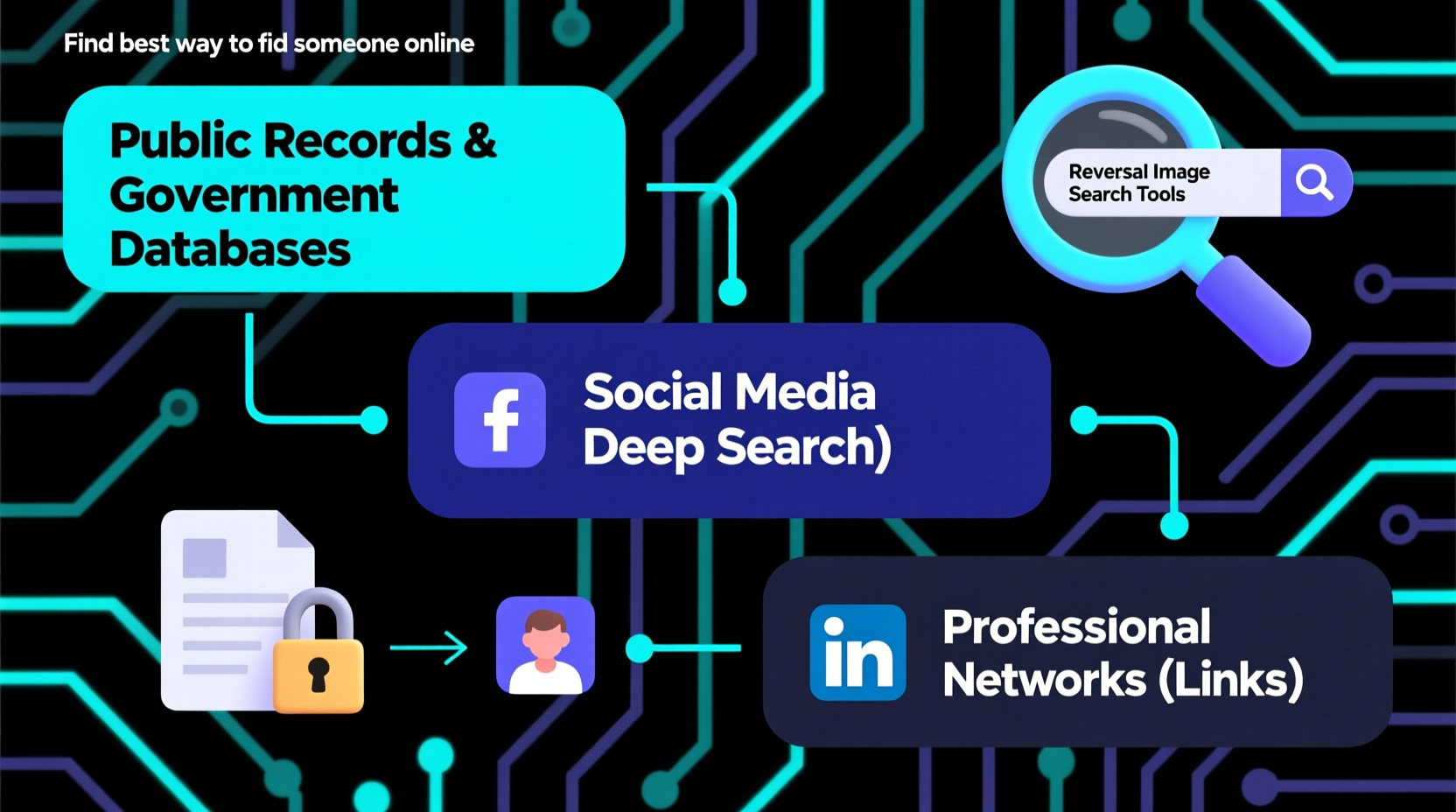
Every interaction on the internet contributes to a person's digital footprint—traces of activity that include social media posts, public records, news mentions, and even metadata from shared files. Some of this data is intentionally public; other parts may be accessible through aggregated databases or search engines. Understanding what types of information exist and where they come from is the first step in conducting a thorough and responsible search.
People leave behind traces across multiple platforms:
- Social networks (Facebook, LinkedIn, Instagram, X/Twitter)
- Public government records (marriages, property ownership, court filings)
- Professional profiles (company websites, academic publications)
- User-generated content (blog comments, forum posts, reviews)
- Media coverage (news articles, press releases)
The depth of available information varies widely based on location, age, profession, and individual privacy settings. A tech-savvy professional may have a robust LinkedIn presence but minimal personal social media, while others might be highly active on platforms like TikTok or Reddit under pseudonyms.
Step-by-Step Guide to Effective Online Research
Finding reliable information requires more than typing a name into Google. A structured approach increases accuracy and reduces wasted effort.
- Begin with a Standard Search Engine Query
Use Google, Bing, or DuckDuckGo to search variations of the person’s name, including middle initials, nicknames, or known affiliations (“John M. Rivera, Chicago,” “Dr. Rivera neurologist”). Enclose exact phrases in quotes for better precision. - Check Social Media Platforms
Visit major platforms individually. LinkedIn is ideal for professional backgrounds, Facebook for personal connections, and X (formerly Twitter) for public commentary. Use advanced search features when available. - Explore Public Records Databases
U.S.-based researchers can access free or low-cost public records via sites like FamilySearch.org, state court portals, or county assessor offices. For broader searches, services like Whitepages or BeenVerified compile address history, phone numbers, and criminal records (where legally permissible). - Review Professional and Academic Profiles
Search Google Scholar, ResearchGate, ORCID, or institutional faculty pages for academics. Professionals often list credentials on company bios or industry directories. - Analyze Domain and Email Traces
If you have an email address, reverse-search it using tools like Hunter.io or EmailHippo to identify associated domains or roles. WHOIS lookups can reveal website ownership details.
Do’s and Don’ts When Searching for Someone Online
| Do’s | Don’ts |
|---|---|
| Verify information across multiple sources | Assume identity based solely on a name match |
| Respect privacy boundaries and avoid harassment | Use obtained information for stalking or intimidation |
| Cross-reference dates, locations, and affiliations | Share private data without consent |
| Use encrypted tools if handling sensitive inquiries | Rely exclusively on unverified people-search aggregators |
| Document your findings for future reference | Ignore jurisdictional laws regarding data access |
Mini Case Study: Reconnecting After Decades
Sarah lost contact with her college roommate after graduation. Years later, she wanted to reconnect following a mutual friend’s passing. With only a first name, maiden name, and approximate hometown, Sarah began searching. She started with Facebook, filtering by school and graduation year. No direct matches appeared. Next, she tried a Google search combining the name with the university and found a mention in an alumni newsletter archived online. The article listed her roommate’s married name and current city. A subsequent search on LinkedIn using the new name and location confirmed the match. Sarah sent a respectful message explaining her intent, and they reestablished their friendship.
This case illustrates how layered research—starting broad, then refining with new clues—can yield results even with limited initial data.
Expert Insight on Ethical Information Gathering
“Transparency and purpose matter. There’s a clear line between due diligence and invasion. Always ask: Is this necessary? Is it proportionate? Could I explain my actions publicly?” — Dr. Lena Torres, Cyberethics Research Fellow at Stanford University
Ethical research means respecting autonomy and avoiding harm. Just because information is technically accessible doesn’t mean it should be used. Legitimate purposes include background checks for employment (with consent), verifying identities for financial transactions, or locating family members in emergencies. Harassment, doxxing, or impersonation cross legal and moral lines.
Essential Checklist for Responsible Online Searches
- ✅ Define your purpose clearly (personal, professional, safety-related)
- ✅ Collect all known identifiers (full name, aliases, locations, workplaces)
- ✅ Conduct initial search via major search engines
- ✅ Visit key social media and professional networking platforms
- ✅ Consult official public records where applicable
- ✅ Cross-verify findings across at least two independent sources
- ✅ Avoid deceptive tactics like fake profiles or phishing
- ✅ Stop if you encounter clear indicators of privacy preference (e.g., deactivated accounts, opt-out requests)
Frequently Asked Questions
Can I find someone’s phone number or address online legally?
Yes, in many cases—but with caveats. Phone numbers and addresses may appear in public directories, real estate records, or voter rolls, depending on local laws. However, selling or misusing this data may violate regulations like the Fair Credit Reporting Act (FCRA) or GDPR. Always ensure your use case complies with applicable laws.
Are people search sites like Spokeo or Intelius reliable?
They can provide starting points, but data is often outdated or inaccurate. These services aggregate public records and user-submitted content, sometimes without verification. Treat them as hypothesis-generating tools, not definitive sources. Free alternatives like Pipl or USPhonebook may offer similar results without cost.
What should I do if I find concerning information during a search?
If you uncover potential threats to safety—such as signs of fraud, abuse, or illegal activity—report them to appropriate authorities. Do not confront individuals directly unless you’re in a position of responsibility (e.g., employer, law enforcement). Preserve evidence and consult professionals when needed.
Conclusion: Use Knowledge Responsibly
Finding information on someone online is both an art and a responsibility. The tools exist, the data is often accessible, but judgment and ethics determine whether the process serves good or harm. By approaching each inquiry with clarity of purpose, respect for privacy, and a commitment to verification, you can uncover meaningful insights without crossing ethical lines.




 浙公网安备
33010002000092号
浙公网安备
33010002000092号 浙B2-20120091-4
Comments
No comments yet. Why don't you start the discussion?