
Clover creeping across your lawn can be frustrating. While it’s technically a plant and not a weed, its presence often signals underlying issues in turf health. White clover (Trifolium repens) thrives where grass is thin, soil is compacted, or nitrogen levels are low. Left unchecked, it spreads quickly through stolons and seeds, forming dense mats that crowd out desirable grass species. The key to eliminating clover isn’t just about removal—it’s about creating conditions where grass outcompetes clover naturally. This guide covers proven strategies, from cultural practices to targeted treatments, ensuring your lawn regains its vigor and uniform appearance.
Understanding Why Clover Invades Lawns
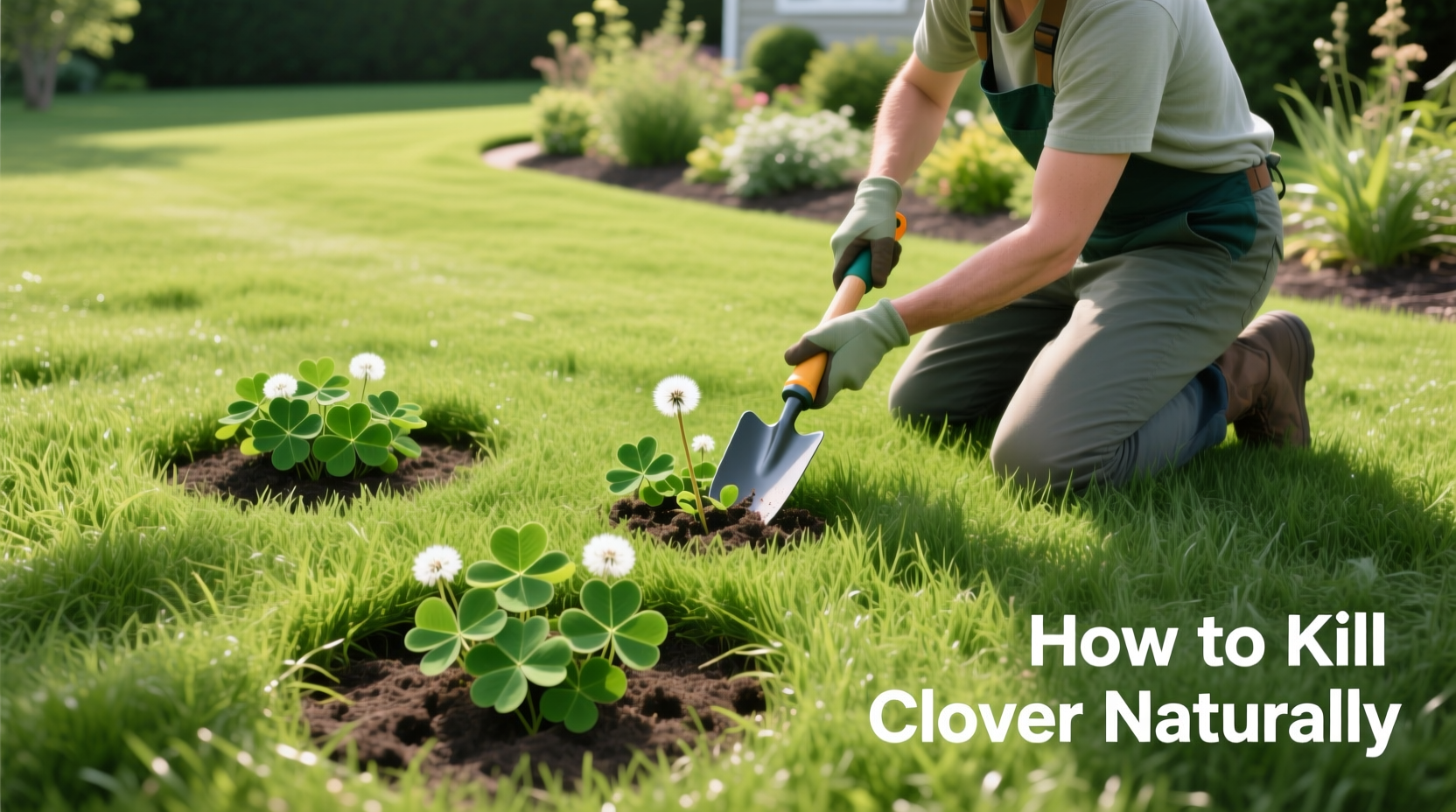
Clover doesn’t invade healthy lawns randomly. It exploits weaknesses. Unlike many turfgrasses, clover fixes its own nitrogen from the air, giving it a competitive edge in nutrient-poor soils. It also tolerates compacted, poorly drained areas better than most grasses. When mowing height is too low or watering is inconsistent, clover gains a foothold. Recognizing these triggers is the first step toward long-term control.
Common factors that encourage clover growth include:
- Low nitrogen levels in soil
- Compacted or poorly aerated soil
- Shallow or infrequent mowing
- Inadequate watering practices
- Thinning turf due to disease, pests, or shade
“Clover is nature’s band-aid for worn-out lawns. It appears where grass fails—not because it's aggressive, but because it survives where others won’t.” — Dr. Alan Peterson, Turfgrass Specialist, University of Maryland Extension
Effective Methods to Kill Clover in Lawn
Eliminating clover requires a combination of immediate action and long-term lawn care adjustments. Below are the most effective approaches, categorized by method type.
Natural and Organic Solutions
For homeowners avoiding synthetic chemicals, several organic options exist:
- Vinegar-based herbicides: Household vinegar (5% acetic acid) can burn clover foliage on contact. For better results, use horticultural vinegar (20–30%), though caution is needed to avoid damaging surrounding grass.
- Soap and oil sprays: A mixture of dish soap, water, and vegetable oil disrupts the waxy cuticle of clover leaves, causing dehydration. Use 1 tablespoon of liquid soap and 1 cup of vegetable oil per gallon of water. Apply directly to clover on a calm, dry day.
- Hand-pulling: Effective for small infestations. Pull after watering when soil is soft to remove roots completely.
Chemical Herbicides
For widespread clover, selective broadleaf herbicides offer reliable control. These products target clover without harming established grass.
Active ingredients to look for:
- 2,4-D: Widely used and effective against young clover plants.
- Mecoprop (MCPP): Works well in combination with 2,4-D.
- Dicamba: Penetrates deep into root systems, ideal for mature clover patches.
Products labeled as “Weed & Feed” often contain these ingredients along with fertilizer. However, timing matters: apply herbicides in early fall or late spring when clover is actively growing and absorbing chemicals efficiently.
| Method | Effectiveness | Speed | Best For |
|---|---|---|---|
| Natural Sprays | Moderate | Slow (requires repeat applications) | Small patches, organic lawns |
| Hand-Pulling | High (if done thoroughly) | Immediate | Spot treatment, few plants |
| Selective Herbicides | High | 1–2 weeks visible effect | Widespread infestations |
| Soil Improvement + Overseeding | Long-term high | Months | Preventing future growth |
Step-by-Step Guide to Eliminate and Prevent Clover
Sustainable clover control follows a sequence of actions designed to weaken the invader and strengthen the defender—your grass.
- Test Your Soil: Conduct a soil test to check pH and nutrient levels. Clover thrives in low-nitrogen, acidic soils. Most turfgrasses prefer a pH between 6.0 and 7.0 and balanced fertility.
- Apply Nitrogen Fertilizer: Based on test results, apply a slow-release nitrogen fertilizer in fall and early spring. Healthy, green grass shades out clover and reduces its advantage.
- Aerate Compacted Soil: Use a core aerator in early fall to relieve compaction, improve water infiltration, and allow roots to expand.
- Overseed Thin Areas: After aeration, overseed bare or thin spots with a high-quality grass seed blend suited to your region and sun exposure.
- Treat Actively Growing Clover: Apply a selective herbicide when clover is actively growing (spring or fall). Avoid treating during drought or extreme heat.
- Adjust Mowing Height: Raise mower blades to 3–3.5 inches. Taller grass shades soil, discouraging clover germination and growth.
- Water Deeply and Infrequently: Encourage deep root development by watering 1–1.5 inches per week, ideally in one or two sessions.
Real-World Example: Reviving a Clover-Infested Yard
Mark R., a homeowner in central Ohio, noticed clover spreading rapidly across his backyard over two summers. His lawn was patchy, especially near the driveway where soil was compacted. He initially tried spot-spraying with vinegar, which burned the tops but didn’t stop regrowth.
Following a local extension service recommendation, he conducted a soil test, revealing low nitrogen and a pH of 5.8. He applied lime to adjust pH, followed by a fall application of slow-release nitrogen fertilizer. He then core-aerated, overseeded with tall fescue, and began mowing at 3.5 inches. In early spring, he applied a three-way herbicide containing 2,4-D, MCPP, and dicamba. Within six weeks, clover declined significantly. By midsummer, his lawn was thick and green—with no new clover sightings.
Prevention Checklist for a Clover-Free Lawn
Eliminating clover is only half the battle. Preventing return requires consistent lawn care. Use this checklist to stay ahead:
- ✅ Test soil every 2–3 years
- ✅ Fertilize based on soil test results, focusing on nitrogen
- ✅ Mow at 3–3.5 inches year-round
- ✅ Water deeply (1 inch per week) rather than daily sprinkling
- ✅ Aerate annually in high-traffic areas
- ✅ Overseed thin zones each fall
- ✅ Spot-treat new clover plants before they spread
- ✅ Avoid excessive use of nitrogen-free \"organic\" fertilizers that favor clover
Frequently Asked Questions
Is clover actually harmful to my lawn?
No, clover isn’t inherently harmful. It adds nitrogen to the soil and stays green during droughts. However, most homeowners consider it undesirable due to its appearance and tendency to dominate weak turf. If you prefer a uniform lawn, control is justified.
Can I get rid of clover without killing my grass?
Yes. Selective broadleaf herbicides specifically target clover and other weeds while leaving grass unharmed. Always follow label instructions and apply under optimal conditions—cool temperatures and moist, but not rainy, weather.
Why does clover keep coming back after treatment?
Reappearance usually means underlying conditions haven’t changed. If soil remains low in nitrogen, compacted, or poorly managed, clover will return. Treatments must be paired with cultural improvements for lasting results.
Conclusion: Build a Lawn That Outcompetes Clover
Getting rid of clover isn’t about finding the strongest killer—it’s about building a lawn so healthy that clover has no chance to establish. Short-term solutions like herbicides work, but only when combined with proper mowing, fertilization, aeration, and overseeding do they deliver lasting results. Focus on nurturing your grass, and you’ll create a resilient, attractive yard that naturally resists weeds. Start today by testing your soil and adjusting one habit—whether it’s raising your mower height or scheduling a fall aeration. Small changes compound into a lush, clover-free lawn.




 浙公网安备
33010002000092号
浙公网安备
33010002000092号 浙B2-20120091-4
Comments
No comments yet. Why don't you start the discussion?