
Purchasing a car is one of the most significant financial decisions many people make—second only to buying a home. While financing options are widely available, entering into debt without careful planning can strain your finances for years. The smarter path? Saving intentionally and strategically to buy a car outright or with minimal loan burden. With rising vehicle prices and unpredictable interest rates, building a dedicated savings plan isn’t just wise—it’s essential. This guide outlines how to identify the best saving strategy by aligning your goals with practical habits, disciplined budgeting, and intelligent trade-offs.
Set a Clear Savings Goal Based on Realistic Needs
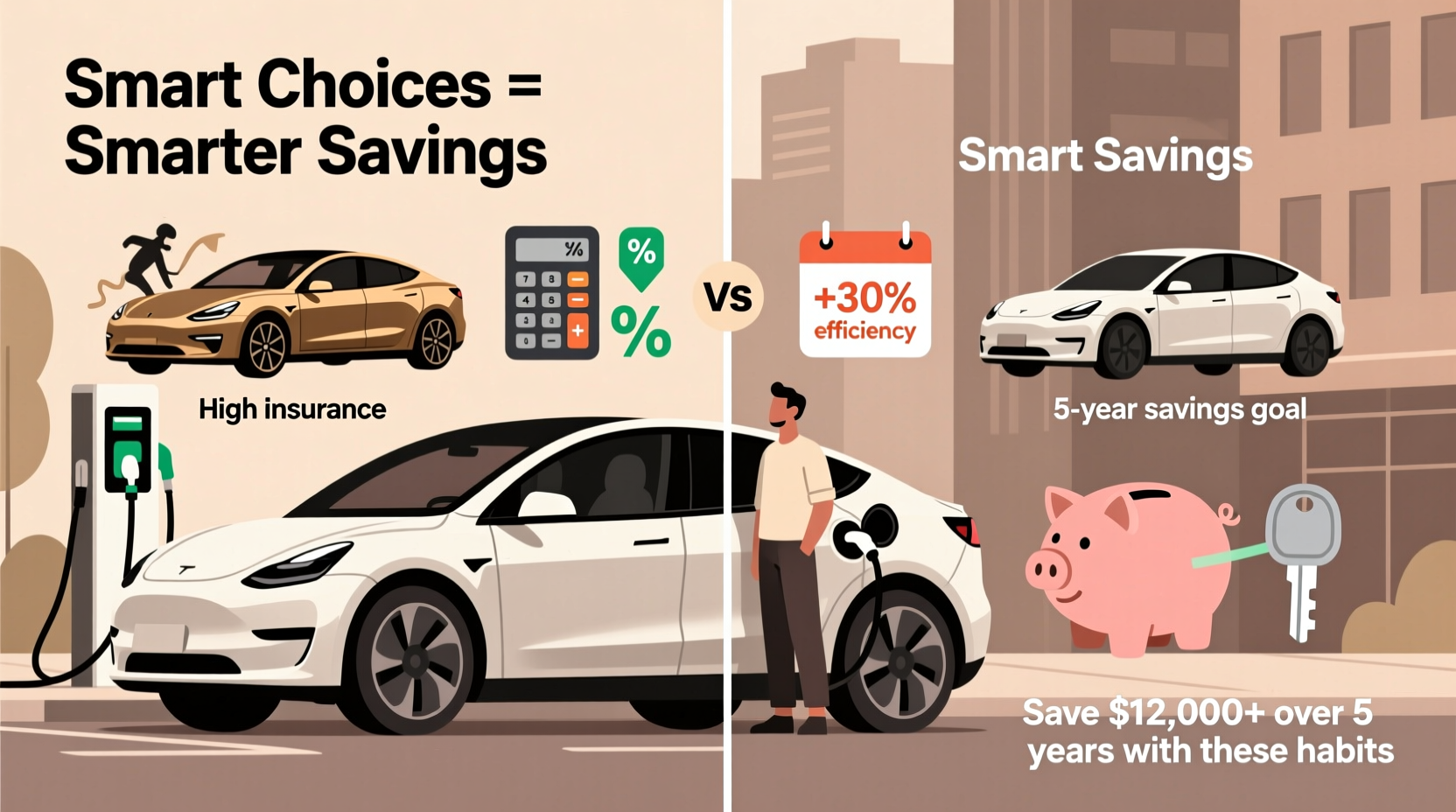
The first step in saving effectively is knowing exactly what you're saving for. A clear target keeps motivation high and prevents overspending later. Begin by researching the type of car that fits your lifestyle and budget. Are you looking for a reliable commuter, a family SUV, or a fuel-efficient hybrid? Use online tools like Kelley Blue Book (KBB) or Edmunds to compare prices across new and used models in your area.
Once you’ve narrowed down your options, calculate the total cost—including taxes, registration fees, insurance premiums, and potential maintenance for older vehicles. For example, a $25,000 car may require an additional $2,500 in upfront costs depending on your state. Set this full amount as your savings target.
Create a Dedicated Car Fund and Automate Savings
Treating your car fund like any other bill increases the likelihood of success. Open a separate high-yield savings account labeled “Car Purchase” to keep these funds distinct from daily expenses. Then, set up automatic transfers from your checking account right after each paycheck. Even $200 per month adds up to $2,400 annually—enough to cover a substantial down payment or a modest used car over time.
Look for banks offering 4%+ APY on savings accounts. Over two years, a consistent $300 monthly deposit could grow to nearly $7,500 due to compound interest—a small but meaningful boost.
“Automating savings removes emotional decision-making and turns discipline into a system.” — Laura Adams, Personal Finance Author and Host of The Money Girl Podcast
Reduce Monthly Expenses with Strategic Trade-Offs
To accelerate savings, examine discretionary spending. Small changes compound quickly when sustained. Cancel unused subscriptions, switch to generic brands, cook at home more often, and use public transit temporarily if feasible. Every dollar saved here can be redirected toward your car fund.
For instance, reducing dining out from five times a week to twice could free up $150/month. That’s $1,800 a year—nearly the price of a decent starter vehicle if saved consistently over three years.
| Expense Category | Average Monthly Cost | Potential Savings | Annual Impact |
|---|---|---|---|
| Streaming Services | $45 | $25 | $300 |
| Dining Out | $300 | $100 | $1,200 |
| Coffee & Snacks | $75 | $40 | $480 |
| Cell Phone Plan | $80 | $25 | $300 |
| Total | $500 | $190 | $2,280 |
Boost Income Through Side Opportunities
Saving faster doesn’t always mean cutting back—it can also mean earning more. Explore side gigs that fit your skills and schedule. Driving for ride-share services, freelancing online, selling unused items, or tutoring part-time can generate hundreds of extra dollars each month.
If you already own a functional car, consider renting it out through peer-to-peer platforms like Turo during periods when you’re not using it. One user in Denver reported earning over $600/month by listing her SUV during ski season, which she funneled directly into her next vehicle fund.
Mini Case Study: How Maria Saved $8,000 in 14 Months
Maria, a graphic designer in Austin, wanted to replace her aging sedan with a reliable hybrid. Instead of taking a loan, she committed to saving. She created a detailed budget, cut non-essentials ($180/month), started teaching weekend design workshops ($300/month), and sold old electronics and clothes online ($1,200 one-time). By automating $400/month into a high-interest savings account and reinvesting tax refunds, she reached $8,000 in just over a year. She bought a certified pre-owned Toyota Prius with cash, avoiding $1,500+ in interest over five years.
Step-by-Step Timeline to Build Your Car Fund
- Month 1: Research desired vehicle types and determine total cost including fees.
- Month 2: Open a dedicated high-yield savings account and set up automatic deposits.
- Months 3–4: Audit current spending; redirect at least $150–$300/month to car fund.
- Months 5–8: Launch a side income stream or sell unused belongings.
- Months 9–12: Reassess progress quarterly; adjust contributions as needed.
- Month 13+: Begin test-driving shortlisted models; negotiate purchase once fund is complete.
Smart Buying Strategies That Save Thousands
Even the best savings plan can be undermined by poor purchasing decisions. Timing matters: late in the year (October–December) and at month-end, dealerships push to meet quotas and may offer better deals. Avoid rush weekends like holidays when demand spikes.
Negotiate based on invoice price rather than sticker price. Use tools like TrueCar or Consumer Reports’ pricing guides to know what others paid nearby. Always get multiple quotes and walk away if terms don’t align with your budget.
- Avoid extended warranties unless recommended for specific high-mileage drivers.
- Finance only if necessary—and never accept dealer rates without checking credit union alternatives.
- Choose models with strong resale value and low maintenance costs (e.g., Honda, Toyota, Subaru).
Frequently Asked Questions
Should I save for a car in a regular savings account?
A high-yield savings account is ideal because it offers liquidity and earns interest. Avoid locking funds in CDs or investments with withdrawal penalties, since you’ll need access when ready to buy.
Is it better to buy new or used when saving carefully?
Used cars typically offer better value. A three-year-old model retains most features but avoids the 20–30% depreciation hit new cars face in the first year. Certified pre-owned programs add warranty protection, making them a balanced choice.
How much should I realistically save each month?
It depends on your timeline. To buy a $15,000 car in two years, aim for $625/month. If that’s too high, extend the goal to three years ($417/month) and supplement with side income or bonuses.
Final Thoughts: Turn Discipline Into Freedom
Buying a car without financial stress starts long before you visit a dealership. It begins with a decision—to prioritize purpose over impulse, planning over pressure. Every dollar saved brings you closer to ownership without obligation. When you finally drive off the lot, it won’t just be a vehicle you’ve earned; it will be proof of your commitment to smarter money habits.




 浙公网安备
33010002000092号
浙公网安备
33010002000092号 浙B2-20120091-4
Comments
No comments yet. Why don't you start the discussion?