
For dogs with delicate or reactive skin, choosing the right harness isn’t just about comfort—it’s a matter of health and well-being. Many standard harnesses contain synthetic fabrics, rough stitching, or tight pressure points that can cause chafing, rashes, or even long-term irritation. The key lies in selecting a harness designed specifically for sensitivity: one that distributes weight evenly, uses hypoallergenic materials, and avoids friction-prone zones. With so many options on the market, finding the ideal fit requires careful evaluation of fabric, design, and fit.
Understanding Canine Skin Sensitivity
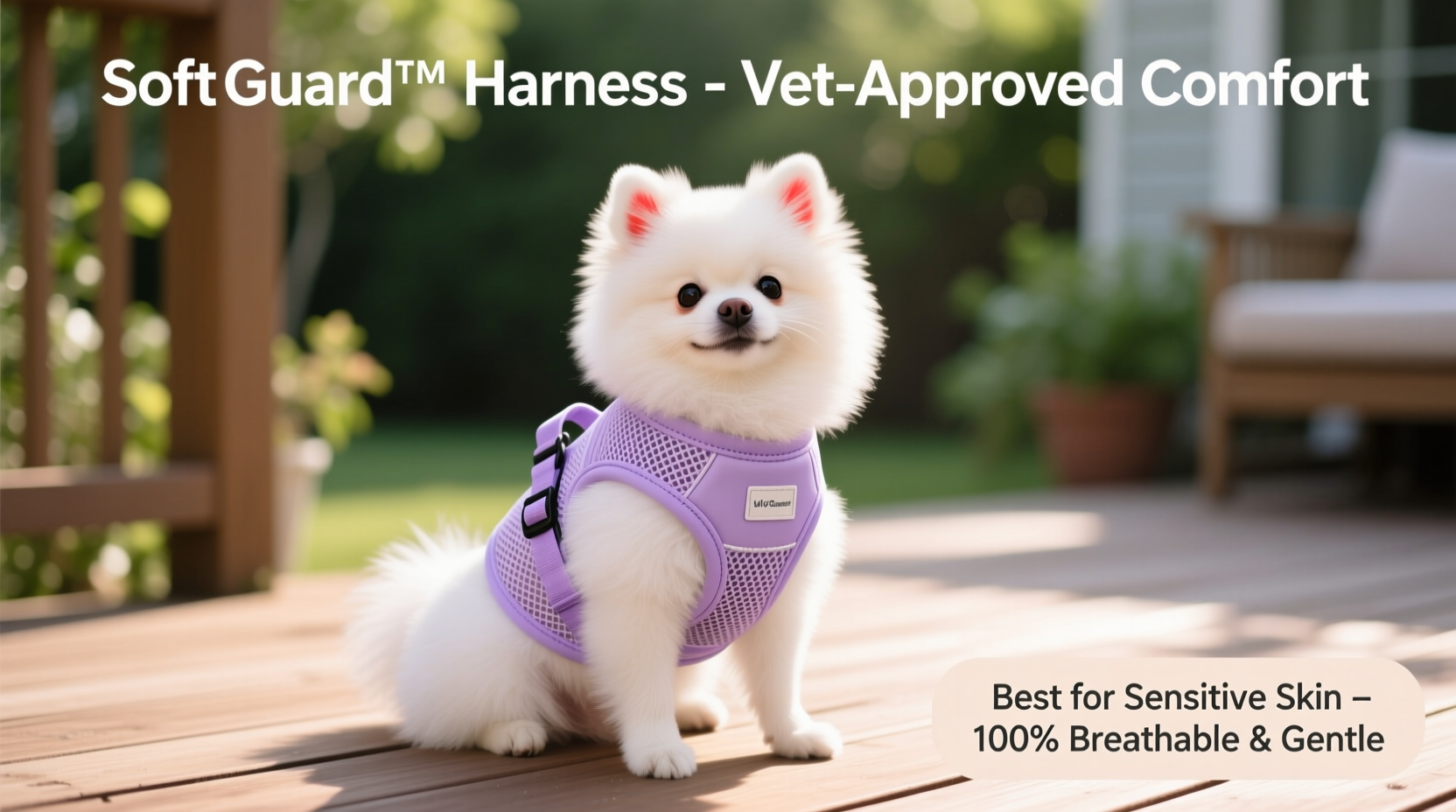
Dog skin is significantly more sensitive than human skin—up to five times thinner in some breeds. This makes it prone to irritation from friction, moisture buildup, chemical dyes, and synthetic fibers. Breeds like Pugs, Bulldogs, Shih Tzus, and Maltese are especially vulnerable due to short coats and pre-existing dermatological conditions. Even active dogs with thick fur can develop hot spots under poorly ventilated harnesses during walks.
Symptoms of irritation include redness, persistent scratching, hair loss around the armpits or chest, and reluctance to wear the harness. If your dog shows any of these signs, it may be time to reevaluate their gear. A truly soft harness should feel gentle against the skin, allow airflow, and never leave marks after removal.
Key Features of a Skin-Friendly Dog Harness
Not all “soft” harnesses are created equal. Marketing terms like “comfortable” or “gentle” aren’t regulated. To ensure genuine skin safety, focus on these core features:
- Hypoallergenic Materials: Look for natural or medical-grade synthetics such as bamboo fiber, organic cotton, or ultra-soft microfiber nylon without added dyes.
- Seamless or Flat-Seam Construction: Raised seams rub against the skin. Opt for bonded edges or flatlock stitching to minimize friction.
- Breathable Mesh Panels: Ventilation prevents sweat accumulation, which exacerbates skin issues in humid climates or during exercise.
- Padded Straps with Wide Surface Area: Broad, cushioned straps distribute pressure across the chest and shoulders instead of concentrating it on narrow bands.
- Adjustability: Multiple adjustment points (neck, chest, girth) ensure a snug but non-restrictive fit tailored to your dog’s body shape.
“Dogs with atopic dermatitis or allergic skin conditions benefit greatly from minimalist, breathable harness designs. Avoid anything with latex, rubber trim, or metal rings near the skin.” — Dr. Lena Torres, DVM, Veterinary Dermatology Specialist
Step-by-Step Guide to Choosing the Right Harness
Selecting a safe, soft harness involves more than reading product labels. Follow this practical process to make an informed decision:
- Assess Your Dog’s Skin Condition: Note any existing sensitivities, allergies, or areas prone to rubbing. Consult your vet if irritation persists.
- Measure Accurately: Use a soft tape measure to record neck girth (just behind the ears), chest girth (behind the front legs), and back length. Refer to brand-specific sizing charts—never guess.
- Research Material Composition: Prioritize brands that disclose full fabric content. Avoid polyester-heavy blends unless labeled as anti-microbial or moisture-wicking.
- Check Return Policies: Purchase from retailers offering trial periods. Some companies provide 30-day return windows for fit testing.
- Test Fit at Home: Allow your dog to wear the harness indoors for short sessions before outdoor use. Monitor behavior and skin reaction closely.
- Evaluate Performance: Take a brief walk and observe movement. The harness should not shift excessively, pinch, or restrict shoulder motion.
Material Comparison: What Works Best for Sensitive Skin?
Different fabrics offer varying levels of comfort and durability. Below is a comparison of common harness materials based on skin compatibility:
| Material | Skin-Friendliness | Breathability | Durability | Best For |
|---|---|---|---|---|
| Natural Bamboo Fiber | ★★★★★ | ★★★★☆ | ★★★☆☆ | Dogs with severe allergies; warm climates |
| Organic Cotton Mesh | ★★★★☆ | ★★★★☆ | ★★★☆☆ | Short-haired breeds; indoor/light use |
| Soft Microfiber Nylon | ★★★★☆ | ★★★☆☆ | ★★★★★ | All-purpose; active dogs |
| Polyester Blend | ★☆☆☆☆ | ★☆☆☆☆ | ★★★★☆ | Avoid for sensitive skin |
| Neoprene | ★☆☆☆☆ | ★☆☆☆☆ | ★★★★☆ | Water activities only; poor ventilation |
Real Example: Helping Luna, a Rescue Shih Tzu
Luna, a three-year-old rescue Shih Tzu, arrived at her foster home with raw patches under her arms from a cheap nylon harness. Her skin was inflamed, and she resisted being leashed. After consultation with a veterinary dermatologist, her caregivers switched to a bamboo-fiber harness with seamless padding and wide chest support. Within two weeks of consistent use—and daily skin checks—the irritation healed completely. Luna now walks confidently and no longer tugs to escape her gear. Her case highlights how a simple switch in harness type can dramatically improve both physical comfort and emotional trust.
Top 5 Do’s and Don’ts When Selecting a Soft Harness
| Do’s | Don’ts |
|---|---|
| Choose harnesses with fully adjustable straps for growing puppies or changing body shapes. | Don’t buy one-size-fits-all models—they rarely fit properly and increase friction risk. |
| Look for Y-shaped front-clip designs that reduce neck strain and keep pressure off the trachea. | Don’t use back-clip harnesses for pullers—they encourage pulling and misalign posture. |
| Opt for harnesses with quick-dry lining if your dog sweats heavily or lives in a humid region. | Don’t leave the harness on for extended periods post-walk; allow skin to breathe. |
| Check for certifications like OEKO-TEX® Standard 100, which verifies absence of harmful substances. | Don’t ignore customer reviews mentioning skin reactions—even isolated cases matter. |
| Clean the harness weekly with mild, unscented soap to prevent bacterial buildup. | Don’t machine-dry on high heat; air dry to preserve fabric integrity. |
Frequently Asked Questions
Can I use a human rash guard or clothing as a dog harness alternative?
No. While soft fabrics may seem suitable, regular clothing lacks structural support and secure leash attachment points. It also doesn’t distribute force safely during walking, increasing injury risk.
How often should I replace a soft dog harness?
Inspect monthly for wear. Replace immediately if padding compresses, stitching loosens, or fabric thins. Most high-quality soft harnesses last 12–18 months with proper care.
Are padded harnesses better for sensitive skin?
Only if the padding is made from breathable, non-irritating materials. Thick foam padding can trap heat and moisture, worsening skin issues. Look for open-cell foam or gel-infused breathable pads instead.
Final Checklist Before You Buy
- ☑ Fabric is hypoallergenic and dye-free
- ☑ No raised seams or abrasive tags
- ☑ Adjustable at neck, chest, and girth
- ☑ Front or dual leash attachments available
- ☑ Machine washable or easy to clean
- ☑ Positive reviews from owners of dogs with skin issues
- ☑ Trial period or return policy offered
Take Action Today for a Happier Walk
Your dog’s comfort starts with thoughtful choices. A soft, skin-safe harness isn’t a luxury—it’s a necessity for maintaining both physical health and emotional well-being. By prioritizing material quality, fit precision, and breathability, you give your pup the freedom to explore without discomfort. Start by measuring your dog accurately, researching transparent brands, and testing one top-rated option at a time. Small changes lead to big improvements in your dog’s daily life. Make the switch today, and feel confident knowing every step they take is supported in gentleness and care.




 浙公网安备
33010002000092号
浙公网安备
33010002000092号 浙B2-20120091-4
Comments
No comments yet. Why don't you start the discussion?