
Finding the ideal pair of thigh high boots isn’t just about style or heel height—it’s about fit. Too tight, and they dig into your thighs or cut off circulation. Too loose, and they slip down with every step, defeating both comfort and function. Many shoppers assume that standard shoe sizes apply universally, but thigh high boots come with unique fitting challenges due to their extended shaft and structural design. Understanding how to measure correctly, assess materials, and interpret brand-specific nuances can transform your experience from frustrating to flawless.
Understand How Thigh High Boots Differ From Regular Footwear
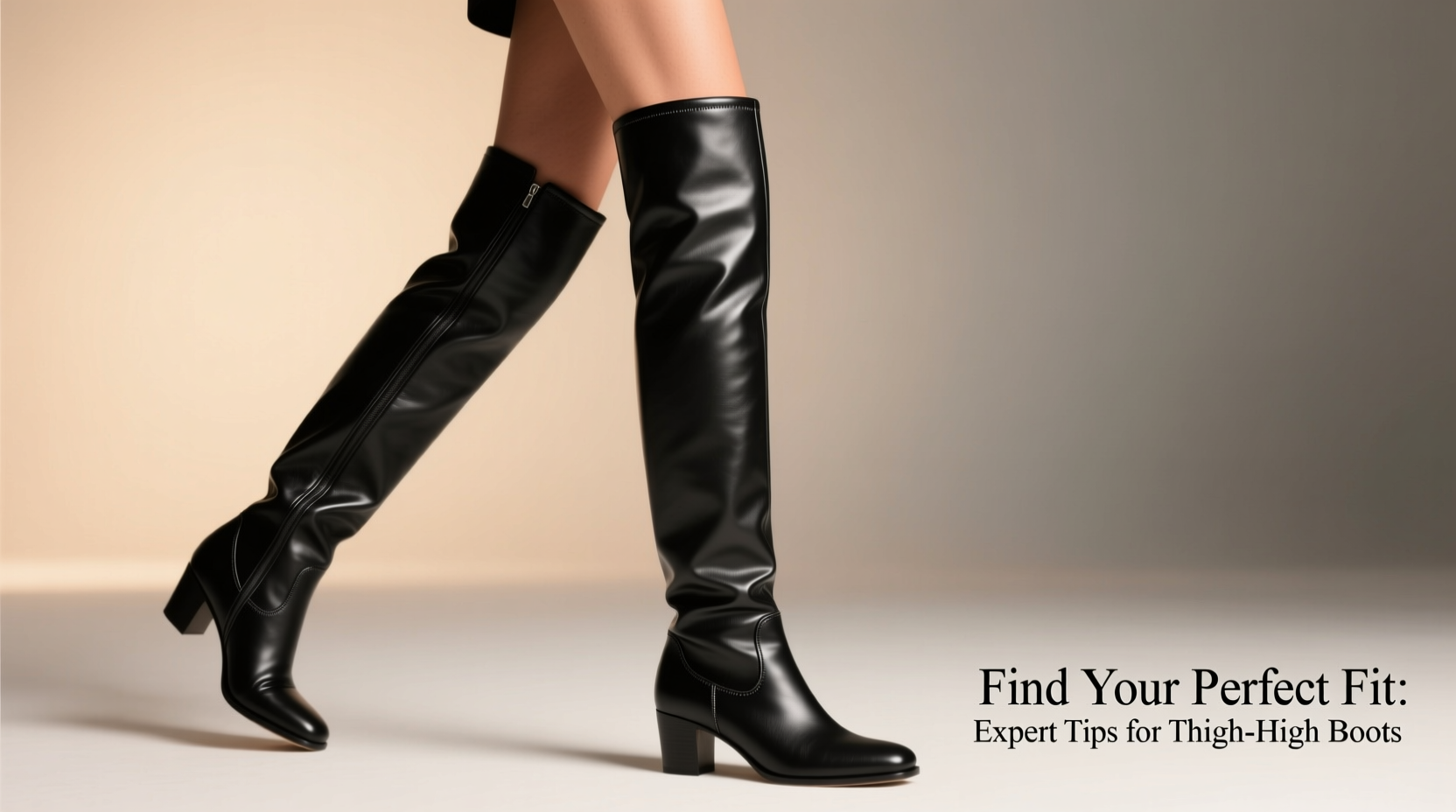
Unlike ankle or knee-high boots, thigh highs extend above the knee and rely on more than foot length for proper fit. The shaft circumference, calf width, and inseam all play critical roles in comfort and wearability. Because these boots often use stiffer materials like leather or synthetic uppers, they offer less stretch than socks or leggings, making accurate measurements essential.
Additionally, the closure type—whether elastic panels, zippers, or side slits—affects how forgiving the fit will be. Elasticized backs or gussets allow some flexibility, while rigid, non-stretch styles demand precision in sizing. This means even if your foot fits perfectly, the boot may still fail at the calf or thigh.
Measure Your Legs Accurately for a Custom-Like Fit
To avoid guesswork, take three key measurements before shopping:
- Foot Length: Trace your foot on paper and measure from heel to longest toe. Compare this to the brand’s size chart.
- Calf Circumference: Wrap a soft tape measure around the fullest part of your calf, typically 8–10 inches below the knee. Keep the leg relaxed and note the measurement in inches or centimeters.
- Inseam (Boot Height): Measure from the floor to the top of your thigh where you want the boot to sit. Most thigh highs range from 18 to 25 inches in total shaft height.
If you're between sizes, especially in calf width, opt for the larger size—tight calves cause discomfort quickly and are harder to adjust than slightly long shafts, which can be folded or tucked.
Measurement Checklist
- Use a soft measuring tape, not a ruler or string.
- Measure both legs; asymmetry is common.
- Wear similar socks or hosiery you plan to wear with the boots.
- Take measurements at the end of the day when legs are slightly swollen—this reflects real-world wear conditions.
Know Your Material: How Fabric Impacts Fit and Stretch
The material of the boot significantly influences how it fits over time. Some fabrics conform to your body; others remain rigid. Here's a breakdown of common materials and their behavior:
| Material | Stretch Level | Break-In Period | Fitting Tip |
|---|---|---|---|
| Genuine Leather | Moderate | 1–3 weeks | Snug at first but molds to leg shape; consider true-to-size or half-size up if narrow calf. |
| Suede | Low-Moderate | 2–4 weeks | Less forgiving than smooth leather; prioritize width over length. |
| PVC/Faux Leather | Minimal | N/A | No break-in; must fit perfectly out of box. Check return policy before purchase. |
| Knit or Stretch Fabric | High | Immediate | Can accommodate wider calves; ensure waistband doesn’t roll down. |
“Thigh high boots should feel secure without pinching. If there’s any redness or numbness after five minutes, the fit is too tight.” — Dana Reyes, Footwear Designer & Fit Consultant
Avoid Common Sizing Mistakes (And What To Do Instead)
Even experienced shoppers fall into traps when buying thigh highs online or in stores. These recurring errors compromise both comfort and longevity:
- Mistake: Assuming your usual shoe size applies directly.
Solution: Refer to the brand’s detailed size guide, including shaft dimensions. - Mistake: Ignoring calf width when focusing on heel height.
Solution: Prioritize calf fit first—no matter how stylish the heel, discomfort ruins the look. - Mistake: Buying boots that are too tall, causing excess fabric bunching.
Solution: Match inseam to your leg length. A 22-inch boot on a 20-inch leg will fold awkwardly unless designed for over-the-knee styling.
Real Example: Sarah’s Online Shopping Fix
Sarah ordered her favorite black thigh highs in her usual size 8, based on positive reviews. When they arrived, the foot fit well—but the calf was painfully tight. She measured her calf at 16.5 inches and discovered the brand’s size 8 only accommodated up to 15 inches. After exchanging for size 9 (with a 17-inch calf allowance), the boots fit smoothly. Lesson learned: always cross-check numeric sizes with actual body measurements.
Step-by-Step Guide to Choosing the Right Size Thigh High Boots
- Step 1: Measure Your Feet and Legs
Record foot length, calf circumference, and desired boot height using a soft tape measure. - Step 2: Research the Brand’s Fit Profile
Visit the manufacturer’s site to see if they note “runs small,” “true to size,” or provide detailed charts with calf/height specs. - Step 3: Read Reviews with Photos
Look for user-submitted photos showing how the boots sit on different body types. Filter by “verified purchase” for authenticity. - Step 4: Check Return Policy
Ensure you can return or exchange if the fit isn’t right—especially important for online orders. - Step 5: Try Them On With Intended Outfits
Wear the skirt, dress, or pants you plan to pair with the boots. Assess mobility, thigh grip, and overall silhouette.
Frequently Asked Questions
How do I know if my thigh high boots are too tight?
If the boots leave deep marks on your skin, restrict movement, or cause tingling or numbness, they’re too tight. Minor pressure is normal initially, but persistent discomfort indicates poor fit.
Can I wear thigh high boots if I have wide calves?
Yes—look for brands offering wide calf options (often labeled WC or W) or styles with side elastic panels. Stretch materials like knit or spandex blends also provide better accommodation.
Do thigh high boots stretch over time?
Leather and suede will stretch slightly during a break-in period, particularly in high-pressure areas like the calf. Non-porous materials like PVC or patent synthetics won’t stretch at all. Never count on significant expansion unless the product description confirms it.
Final Thoughts: Confidence Starts With Comfort
The perfect pair of thigh high boots shouldn’t require enduring pain for the sake of fashion. With precise measurements, informed material choices, and attention to brand-specific details, you can find a pair that feels as good as it looks. Whether you're dressing up for an event or elevating your everyday wardrobe, a well-fitted boot enhances posture, confidence, and style coherence.




 浙公网安备
33010002000092号
浙公网安备
33010002000092号 浙B2-20120091-4
Comments
No comments yet. Why don't you start the discussion?