
The iPhone 14 Pro is more than just a phone—it’s a tool for productivity, creativity, and connection. With its advanced camera system, dynamic island interface, and sleek titanium design, it deserves a case that matches its sophistication while offering real-world durability. Yet, with thousands of options flooding online marketplaces, finding the right balance between style, protection, and usability can feel overwhelming. This guide cuts through the noise, helping you choose a case that aligns with your lifestyle, protects your investment, and enhances your daily experience.
Understand Your Priorities: Protection vs. Style vs. Functionality
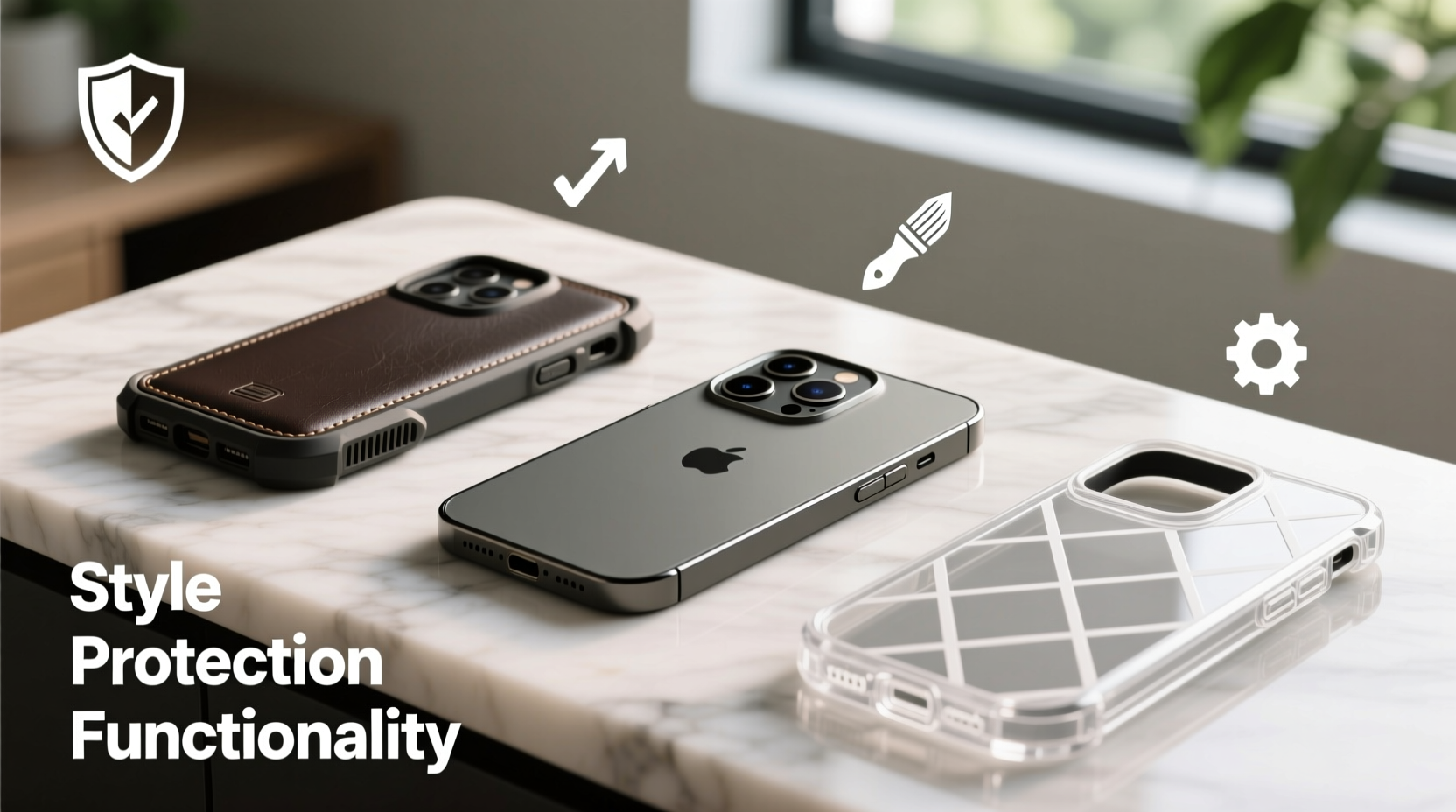
Every iPhone 14 Pro owner has different needs. A parent juggling kids might prioritize drop protection above all else. A designer may care most about preserving the phone’s minimalist aesthetic. A frequent traveler could value wireless charging compatibility and portability. Before browsing cases, clarify your top three priorities:
- Protection: Do you often drop your phone? Work in rugged environments?
- Style: Is matching your outfit or professional image important?
- Functionality: Do you use MagSafe accessories, wireless charging, or need card storage?
Most cases fall into one of three categories: ultra-slim (style-focused), rugged (protection-first), or hybrid (balanced). The best choice depends on which category aligns closest with your everyday habits.
Key Features to Look For in an iPhone 14 Pro Case
Not all cases are created equal—even those priced similarly. Here are the essential features that separate reliable options from disappointing ones:
- Precise Cutouts: Ensure full access to the Dynamic Island, speaker grilles, and camera bump without obstruction.
- Elevated Edges: Raised bezels around the screen and camera prevent direct contact when placed face-down.
- Military-Grade Drop Protection (MIL-STD-810G): Verified by independent labs, this standard indicates resilience against drops from up to 6 feet.
- MagSafe Compatibility: Cases should not interfere with magnetic alignment for chargers, wallets, or car mounts.
- Material Quality: Avoid cheap plastics. Look for TPU (flexible inner layer) paired with polycarbonate (rigid outer shell) or premium leather.
Additionally, consider texture. A slightly grippy finish reduces slip risk, especially in humid conditions or when commuting.
Comparing Top Case Types: Pros and Cons
| Case Type | Best For | Pros | Cons |
|---|---|---|---|
| Slim & Minimalist | Style-conscious users, office professionals | Preserves phone aesthetics, lightweight, easy to pocket | Limited drop protection, no grip |
| Rugged/Dual-Layer | Outdoor workers, parents, travelers | High impact resistance, shock absorption, dust resistance | Bulkier, may block some MagSafe accessories |
| Wallet Cases | Minimalists who carry few items | Holds cards/cash, reduces pocket clutter | Thicker profile, potential signal interference |
| Leather Cases | Professionals seeking elegance | Ages beautifully, premium look, develops patina | Expensive, requires conditioning, less protective initially |
| Hybrid (TPU + PC) | Most users seeking balance | Durable yet slim, good grip, widely compatible | May yellow over time if low-quality |
Real-World Example: Choosing the Right Case for Active Lifestyles
Jamal, a landscape photographer based in Colorado, frequently hikes with his iPhone 14 Pro to capture candid shots. He initially used a sleek silicone case but dropped his phone twice in one month—once resulting in a cracked rear glass panel near the camera module. After researching, he switched to a Spigen Tough Armor case with air-cushion technology and a built-in kickstand. Over the next six months, including several falls on rocky terrain, his phone remained intact. “I don’t mind the extra bulk,” he said. “Knowing my phone survives tumbles lets me focus on shooting, not worrying.”
This example underscores a key principle: your environment dictates your protection level. Urban commuters may get by with moderate shielding, but outdoor enthusiasts need robust engineering.
“Most iPhone damage occurs within the first two feet of a drop—onto concrete, tile, or asphalt. A well-designed case with internal shock channels can absorb that energy before it reaches the chassis.” — Dr. Lena Torres, Materials Engineer at MobileShield Labs
Step-by-Step Guide to Selecting Your Ideal Case
Follow this five-step process to make a confident decision:
- Assess Your Daily Routine: Track how and where you use your phone for three days. Note any close calls or risky situations (e.g., bathroom counter, gym bag).
- Set a Budget: Expect to spend $25–$60 for a quality case. Avoid sub-$15 options unless they’re from reputable brands with proven track records.
- Shortlist Based on Needs: Filter by protection level, material, and special features (e.g., MagSafe, card slots).
- Read Verified User Reviews: Focus on long-term feedback—look for comments about yellowing, button wear, or camera scratches after months of use.
- Test Before Committing: If possible, buy from retailers with return policies. Try the case for a week. Check button responsiveness, pocket fit, and charging alignment.
Frequently Asked Questions
Do I really need a case for the iPhone 14 Pro?
While the iPhone 14 Pro features Ceramic Shield front cover and surgical-grade back glass, real-world testing shows that unprotected phones crack in over 70% of drops from waist height. A case significantly improves survival odds and maintains resale value.
Can a case affect Face ID or wireless charging?
Poorly designed cases with thick materials or metal components can interfere with both systems. Always verify that the case explicitly supports Face ID accuracy and Qi2/MagSafe charging standards. Most reputable brands publish compatibility details.
How often should I replace my iPhone case?
Inspect your case every 6–8 months. Signs it’s time to replace include frayed edges, loose fit, discoloration (especially clear cases), or diminished shock absorption. Worn cases offer less protection and may scratch your phone.
Final Checklist Before Buying
- ✅ Confirmed MIL-STD-810G or equivalent drop test certification
- ✅ Precise cutouts for Dynamic Island, speakers, and camera
- ✅ Compatible with MagSafe chargers and accessories
- ✅ Elevated lip around screen and camera lens
- ✅ Positive long-term user reviews (12+ months)
- ✅ Made by a trusted brand with customer support
- ✅ Matches your aesthetic preference without sacrificing function
Conclusion
Finding the perfect iPhone 14 Pro case isn't about picking the flashiest or thickest option—it's about making a smart, informed choice tailored to how you live. Whether you value sleek minimalism or rugged reliability, the right case should disappear into your routine while quietly safeguarding one of your most-used devices. Take the time to evaluate your habits, test options, and invest in quality. Your future self—holding an uncracked phone after a close call—will thank you.




 浙公网安备
33010002000092号
浙公网安备
33010002000092号 浙B2-20120091-4
Comments
No comments yet. Why don't you start the discussion?