
A snapped lipstick can feel like a minor tragedy—especially when it’s your go-to shade or a high-end formula you paid extra for. Rather than tossing it or smearing shattered pigment across your fingers, there’s a smarter way: repair it cleanly and restore it to near-original condition. With the right method, you can salvage every last bit of product, maintain hygiene, and avoid sticky cleanup. This guide walks through reliable techniques, essential tools, and expert-backed tips to fix a broken lipstick efficiently and neatly.
Why Lipsticks Break—and Why It’s Worth Fixing
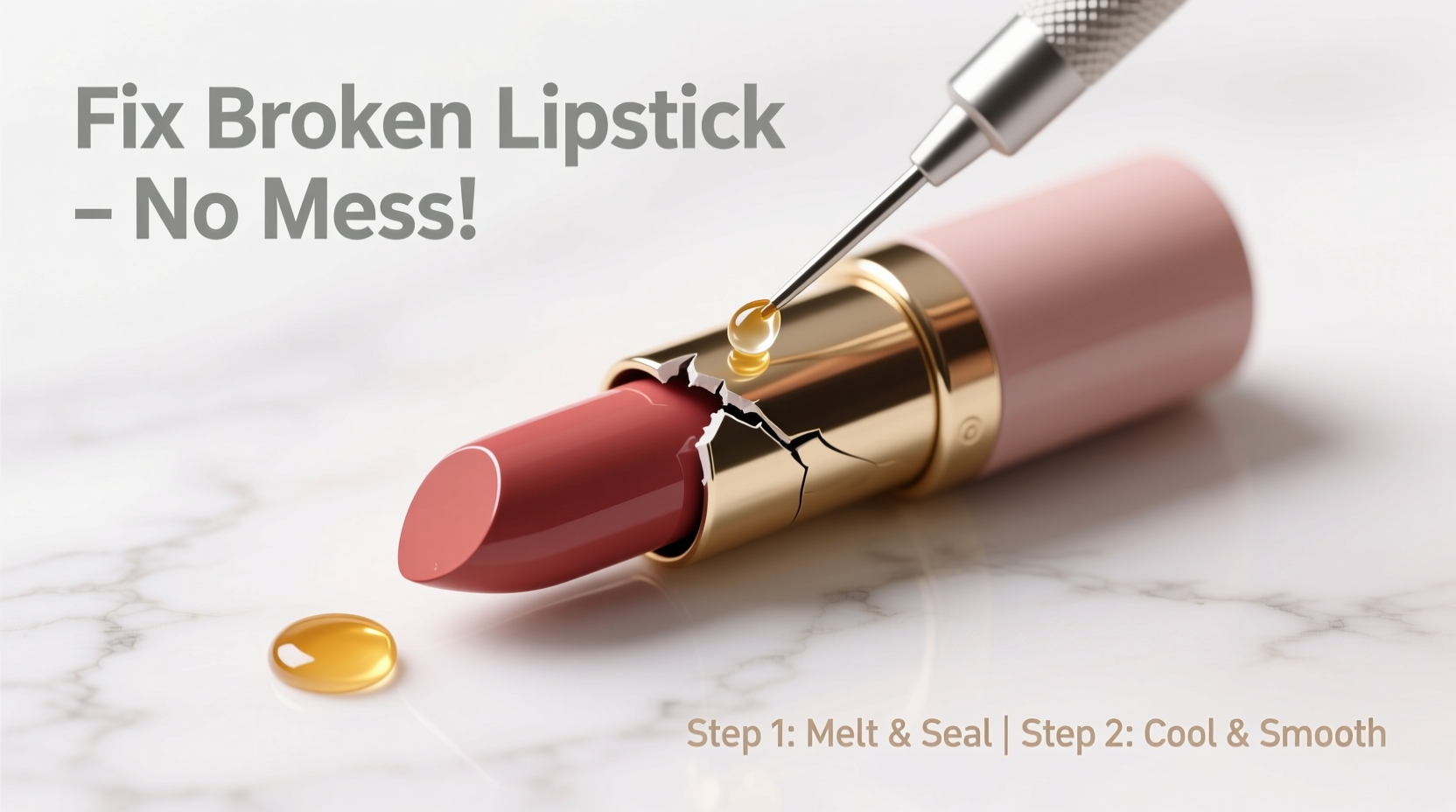
Lipstick breakage usually stems from temperature fluctuations, physical pressure in a bag, or improper storage. The delicate wax-and-oil-based formula is prone to cracking when exposed to heat or dropped on hard surfaces. While replacing the tube might seem easier, especially with drugstore brands, many lipsticks contain valuable pigments, moisturizing agents, and specialized finishes that are difficult to replicate exactly. Plus, repairing instead of replacing aligns with sustainable beauty practices by reducing waste.
According to cosmetic chemist Dr. Lena Patel, “Most lipsticks are over 70% emollients and waxes designed for smooth application. When broken, the structure fails—but the formula itself remains intact. A proper reset preserves performance and texture.” That means a well-repaired lipstick can perform just as well as an unbroken one.
“With careful melting and re-setting, you can fully restore a broken lipstick’s integrity.” — Dr. Lena Patel, Cosmetic Formulation Specialist
What You’ll Need: Tools and Materials
The good news? You likely already have everything required at home. Avoid makeshift fixes like glue or tape—they compromise hygiene and wearability. Instead, use clean, heat-safe tools designed for precision.
- Flat surface: A ceramic plate, small dish, or aluminum foil sheet
- Heat source: Lighter, candle, or hairdryer (for controlled warming)
- Thin metal tool: Bobby pin, paperclip, or small spoon
- Small container (optional): Mini silicone mold or cleaned compact case
- Isopropyl alcohol (70% or higher): For sanitizing tools
- Q-tip or cotton swab: For smoothing and cleaning edges
Step-by-Step Guide to Repairing a Broken Lipstick
Follow this sequence to re-melt and reshape your lipstick without spills, uneven textures, or wasted product. The goal is to re-fuse the pigment into a stable, usable form.
- Remove the lipstick from its casing. Unscrew or pop out the tube base. Gently push the broken bullet upward until it’s fully exposed. If pieces are loose, collect them carefully.
- Clean the interior of the tube. Wipe the inside with a dry cotton swab to remove dust or debris. This prevents grit from mixing into the melted wax.
- Prepare your melting surface. Place the broken pieces on a small ceramic dish or a folded piece of aluminum foil. Avoid plastic or paper, which may warp or absorb oils.
- Gently melt the lipstick. Hold a lighter or candle flame about 2–3 inches beneath the dish for 10–15 seconds at a time. Stir occasionally with a sterilized bobby pin. Stop heating once the product becomes fully liquid but not bubbling. Overheating can alter the formula’s consistency.
- Pour back into the original tube (or mold). Tilt the dish and slowly pour the molten lipstick into the empty casing. If the original tube is damaged, use a mini silicone mold shaped like a lipstick bullet. Work quickly before cooling begins.
- Smooth the surface. Use a cool Q-tip or the back of a spoon to level the top. This ensures even application later.
- Let it cool completely. Allow 30–45 minutes at room temperature. Do not place in the fridge—rapid cooling can cause cracks or separation.
- Reassemble and test. Once hardened, reinsert the lipstick into its mechanism. Swatch on your hand to confirm smoothness and color accuracy.
Alternative Method: The Hairdryer Technique (No Open Flame)
If you’re uncomfortable using fire, a hairdryer offers a safer, more controlled approach. While slower, it minimizes the risk of burning or smoke exposure.
- Place the broken lipstick pieces back into the original tube.
- Hold a hairdryer on low heat 4–6 inches away from the open end.
- Rotate the tube slowly for 1–2 minutes until the product melts and settles evenly.
- Use a sanitized needle to remove air bubbles.
- Let cool upright on a flat surface.
This method works best when most of the lipstick remains in the tube. If large chunks broke off, combine this with the melting-dish technique above for full restoration.
Do’s and Don’ts of Lipstick Repair
| Do | Don't |
|---|---|
| Sanitize tools before use | Use superglue or tape to patch the break |
| Melt slowly and stir gently | Boil or char the lipstick |
| Work in a well-ventilated area | Leave melted lipstick unattended |
| Let it cool naturally | Put it in the freezer immediately |
| Label repaired lipsticks if storing long-term | Reuse tubes that held expired products |
Real Example: Saving a Limited-Edition Matte Lipstick
Sophie, a makeup artist in Portland, accidentally dropped her limited-edition burgundy matte lipstick the night before a bridal shoot. The bullet snapped cleanly in half, and she didn’t have a backup. Instead of panicking, she used a lighter and ceramic spoon to melt the pieces. She poured the liquid back into the original tube, smoothed the top with a chilled spoon, and let it set overnight. The next morning, the lipstick applied smoothly, matched the swatch perfectly, and lasted through eight hours of touch-ups. “I’ve fixed three lipsticks since then,” she says. “It’s faster than shopping for a replacement.”
When Not to Repair: Signs It’s Time to Retire a Lipstick
Not every broken lipstick should be saved. Certain conditions make reuse unsafe or ineffective:
- Expired formula: Most lipsticks last 12–24 months. If yours has an off smell, grainy texture, or separated oils, discard it.
- Mold or discoloration: Visible spots or fuzzy growth indicate bacterial contamination.
- Fragrance changes: Rancid or sour odors suggest oxidation of oils.
- Tube damage: If the twist mechanism is cracked or nonfunctional, repair won’t help usability.
In these cases, recycling the packaging (if possible) and replacing the product is the safest choice.
Preventing Future Breakage
Once you’ve successfully repaired a lipstick, protect your investment with smart habits.
- Avoid temperature swings: Don’t leave lipsticks in hot cars or freezing bags.
- Use a protective cap: Always replace the lid immediately after use.
- Carry in a rigid case: Soft makeup bags offer no crush protection.
- Twist down only what you need: Exposing too much increases break risk.
- Keep away from heavy items: Don’t toss lipsticks into a purse with keys or phones.
FAQ: Common Questions About Fixing Broken Lipsticks
Can I use a microwave to melt a broken lipstick?
No. Microwaves heat unevenly and can scorch the wax base, altering texture and potentially releasing harmful fumes. Stick to gentle, external heat sources like a lighter or hairdryer.
Will the repaired lipstick apply differently?
If cooled properly and not overheated, the texture should remain unchanged. Some users report slightly softer formulas after repair—this usually stabilizes after a few uses.
How long does a repaired lipstick last?
As long as an unbroken one, provided it’s stored correctly and hasn’t expired. Monitor for signs of spoilage, especially if the original tube was exposed to bacteria during the break.
Final Checklist: Repairing Your Lipstick Like a Pro
- Wash hands and sanitize tools with alcohol
- Remove lipstick from casing and inspect for contamination
- Choose your melting method (flame or hairdryer)
- Melt wax slowly and stir gently
- Pour into original tube or mold
- Smooth surface and allow natural cooling
- Test application and store properly
- Label if keeping for future use
Conclusion: Waste Less, Wear More
Fixing a broken lipstick doesn’t require special skills—just patience, care, and a few common tools. By mastering this simple process, you extend the life of your cosmetics, reduce personal waste, and save money over time. Whether it’s a beloved everyday nude or a rare holiday red, every lipstick deserves a second chance. The next time you hear that dreaded snap, don’t reach for the trash can. Reach for this guide instead.




 浙公网安备
33010002000092号
浙公网安备
33010002000092号 浙B2-20120091-4
Comments
No comments yet. Why don't you start the discussion?