
A rotating tree stand adds elegance and visibility to holiday decorations, allowing ornaments to be seen from every angle. When the motor fails, it’s tempting to dive into repairs immediately. However, improper handling can void the manufacturer’s warranty, leaving you responsible for replacement costs. The key is knowing what steps are safe, which tools to use, and when to contact support instead of attempting a DIY fix. This guide provides a thorough, warranty-conscious approach to diagnosing and resolving motor issues—without compromising your protection.
Understanding the Warranty Terms
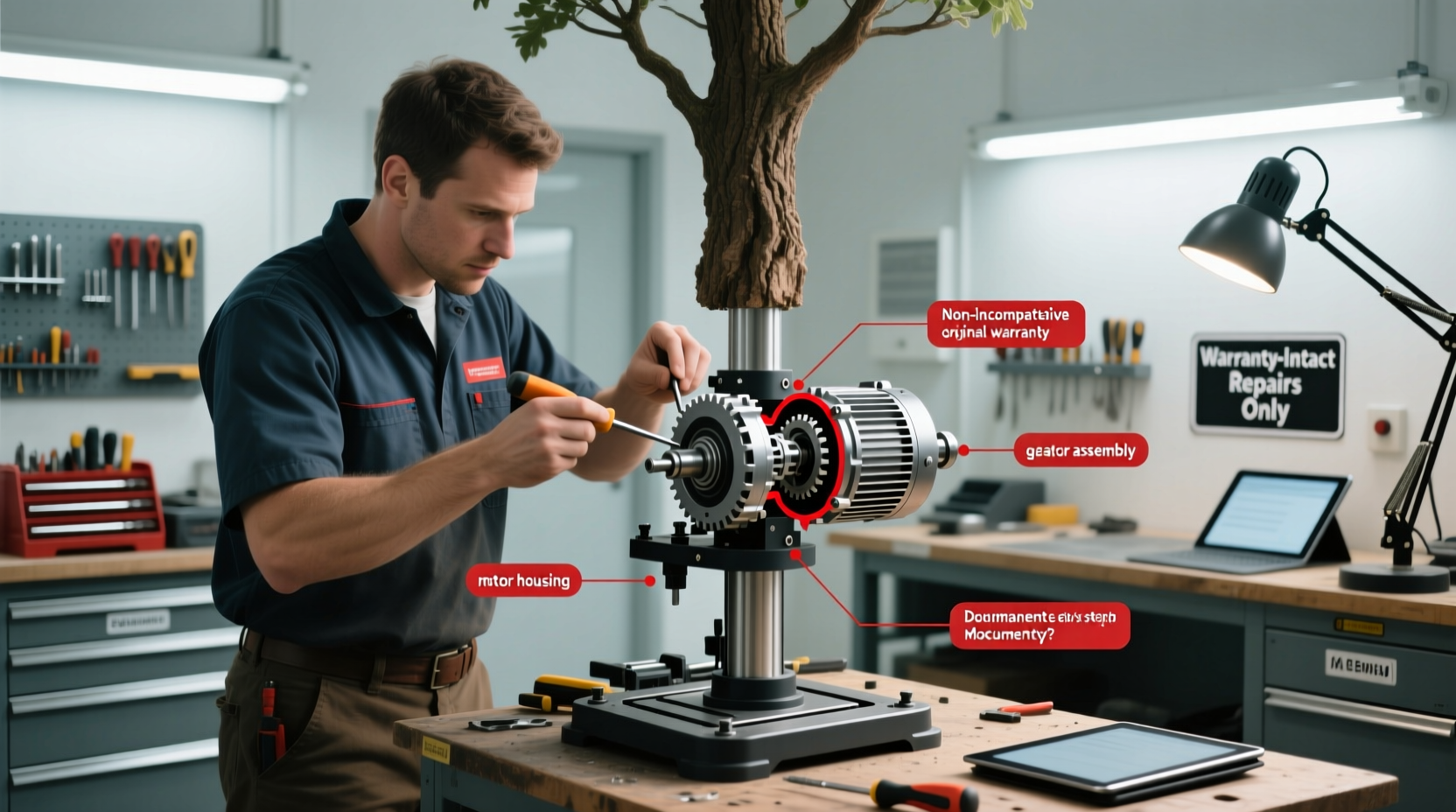
Before touching any component of your rotating tree stand, review the warranty documentation. Most manufacturers cover defects in materials and workmanship for 1–3 years but exclude damage caused by user error, unauthorized modifications, or opened casings. Some brands explicitly state that removing screws on the motor housing invalidates coverage. Others permit basic troubleshooting as long as no internal components are altered.
Check for clauses related to:
- Authorized service centers
- Prohibited disassembly steps
- Conditions under which warranty claims are denied
- Contact requirements before attempting repairs
Step-by-Step Diagnostic Process
Not all motor failures require invasive repair. Many issues stem from power delivery problems or mechanical obstructions rather than internal electrical faults. Follow this sequence to identify the root cause while minimizing risk:
- Verify power source: Plug the stand into a different outlet known to work. Use a multimeter to test voltage output if possible.
- Inspect the power cord: Look for fraying, kinks, or exposed wires. Gently bend the cord near connectors while powered to check for intermittent connections.
- Test the controller or remote: If your stand uses a digital interface, replace batteries and reset settings. Try bypassing the remote by using manual switches directly on the base.
- Listen for sounds: A humming noise indicates power reaches the motor but rotation is blocked. Silence suggests a circuit break or dead motor.
- Check for physical blockage: Lift the tree slightly and rotate the platform by hand. Resistance may indicate debris, misaligned gears, or warped components.
If the motor hums but doesn’t turn, the issue is likely mechanical. If there's no response at all, the problem could be electrical—but not necessarily within the sealed motor unit.
Safe Cleaning and Maintenance Procedures
Dust, pet hair, and dried sap can accumulate inside the gear assembly, causing strain on the motor. Regular cleaning prevents premature wear and often resolves minor performance issues. These procedures are universally accepted under warranties because they don’t involve opening sealed units.
| Component | Recommended Tool | Action | Warranty-Safe? |
|---|---|---|---|
| Base exterior | Soft cloth + mild soap | Wipe down surface | Yes |
| Gear access points | Compressed air | Brief bursts to remove dust | Yes |
| Moving parts | Non-silicone lubricant (e.g., PTFE spray) | Light application on visible joints | Yes* |
| Motor casing | Cotton swab | Clean vents only—do not pry open | Yes |
* Avoid petroleum-based oils; they attract grime and degrade plastic gears over time. Only apply lubricant where motion occurs externally.
When and How to Contact Manufacturer Support
Reaching out to customer service early protects your warranty rights. Most companies require proof of purchase and a description of symptoms before authorizing repairs. Do not mention disassembling the unit unless instructed.
Prepare the following information before calling or emailing:
- Model number and serial code (usually on bottom plate)
- Date of purchase and retailer
- Description of failure (e.g., “motor stopped after two seasons”)
- Steps already taken (e.g., tested other outlets, checked cord integrity)
- Photos or videos showing behavior
“Consumers often assume they must fix things themselves, but our warranty includes free diagnostics and replacement units for eligible cases.” — Daniel Reeves, Customer Experience Manager at Evergreen Home Décor
In many instances, manufacturers will send a replacement motor or entire stand at no cost if the claim is valid. Even partial failures—like inconsistent rotation speed—are frequently covered.
Mini Case Study: Resolving a Stalled Motor Without Opening the Unit
Sarah M., a homeowner in Vermont, noticed her pre-lit artificial tree stopped turning during Christmas Eve setup. She had purchased the stand two years prior and wanted to avoid buying a new one. After confirming the outlet worked and trying a different power strip, she observed a faint buzzing sound from the base.
Instead of unscrewing the motor housing—marked with a “Do Not Open” label—she used compressed air around the central shaft and applied a light silicone-free lubricant to the visible joint between the platform and base. She then unplugged the unit for 15 minutes to reset internal circuitry.
Upon reconnecting, the motor engaged slowly at first, then resumed normal operation. Sarah contacted the manufacturer afterward to report the incident. They confirmed her actions were within warranty guidelines and offered a prepaid label for a future inspection if needed.
This case illustrates how non-invasive methods can restore function while preserving warranty eligibility.
Tips for Preventing Future Motor Failures
Prevention reduces the need for repairs altogether. Implement these habits each season to extend motor life:
- Balance the tree evenly: Overloading one side increases torque demand and wears gears prematurely.
- Operate intermittently: Run the stand for 4–6 hours at a time, then pause. Continuous use generates heat that degrades insulation over time.
- Store properly off-season: Keep the stand in a climate-controlled area, ideally wrapped in breathable fabric to reduce dust buildup.
- Inspect annually: Before setup, run a quick function test even if stored indoors.
Checklist: Warranty-Safe Troubleshooting Steps
Follow this checklist to address motor issues responsibly:
- ✅ Confirm power source functionality with another device
- ✅ Inspect cord and plug for visible damage
- ✅ Test remote control batteries and pairing
- ✅ Clean external surfaces and ventilation ports
- ✅ Apply approved lubricant to moving joints (not inside motor)
- ✅ Manually rotate platform to check for binding
- ✅ Reset by unplugging for 10–15 minutes
- ✅ Document symptoms with notes and photos
- ✅ Contact manufacturer with full details before further action
Frequently Asked Questions
Can I clean inside the motor housing without voiding the warranty?
No. Any removal of screws or seals on the motor compartment typically voids the warranty. Internal cleaning should only be performed by authorized technicians. Stick to external maintenance using compressed air and soft brushes.
What if the manufacturer is out of business?
If the brand no longer operates, warranty protection ends. At that point, cautious disassembly may be justified. Still, consider sourcing a compatible third-party motor designed for rotating stands, which avoids irreversible alterations to the original unit.
Is it worth repairing an older stand?
For units beyond three years old, warranties usually expire. Repair value depends on build quality. High-end models with metal gears and sealed bearings are often worth fixing. Lightweight plastic units are generally more cost-effective to replace.
Final Thoughts and Action Plan
Fixing a broken motor in a rotating tree stand doesn't have to mean sacrificing warranty protection. By focusing on external diagnostics, proper communication with manufacturers, and preventive care, most issues can be resolved safely and effectively. Remember: the goal isn’t just to get the tree spinning again—it’s to do so in a way that respects product design and long-term investment.
Start now by locating your warranty documentation and testing the stand with a fresh power source. If problems persist, follow the checklist above before proceeding further. In many cases, simple resets and cleaning restore full function. And when professional help is needed, having a clear record of responsible troubleshooting strengthens your claim.




 浙公网安备
33010002000092号
浙公网安备
33010002000092号 浙B2-20120091-4
Comments
No comments yet. Why don't you start the discussion?