
A stuck or broken zipper can turn your favorite jacket into an unwearable piece overnight. Before you consider tossing it or paying for a costly repair, know this: most zipper issues aren’t terminal. With the right approach, you can often restore smooth function without removing or replacing the entire zipper. Whether the slider won’t move, the teeth are misaligned, or the pull tab has snapped off, practical solutions exist. This guide walks through diagnosing common zipper problems and fixing them using household items and basic tools—saving your jacket and avoiding unnecessary waste.
Understanding Common Zipper Problems
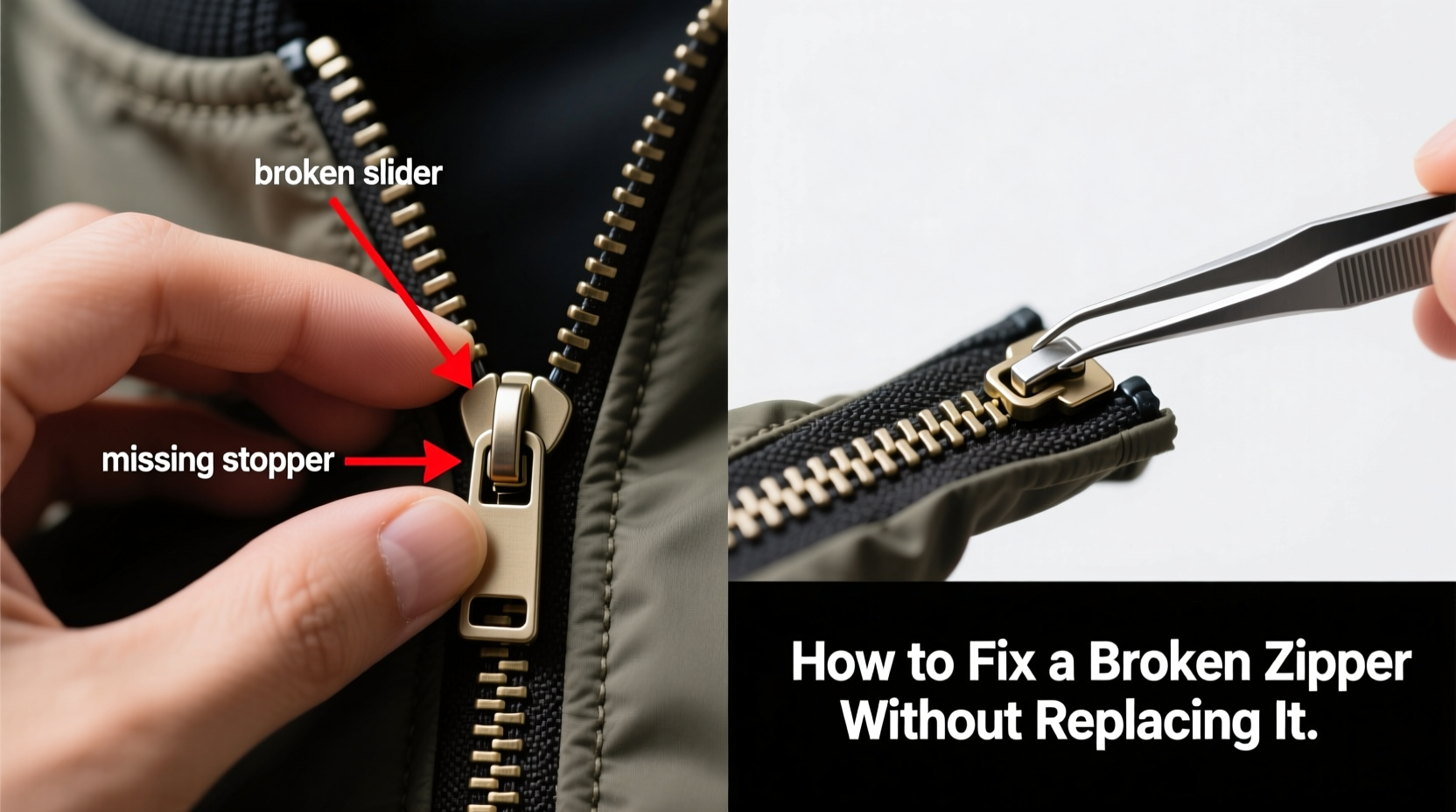
Not all zipper failures are the same. Identifying the exact issue is the first step toward an effective fix. Most problems fall into one of five categories:
- Stuck Slider: The zipper pull won’t move up or down, often due to debris, misalignment, or dried lubricant.
- Separated Teeth: The two sides of the zipper fail to interlock, usually because the slider is worn or damaged.
- Slider Jumps Off Track: The pull comes off the teeth when zipping, typically caused by a loose or bent slider.
- Missing or Broken Pull Tab: The small handle used to operate the zipper is cracked, snapped, or missing entirely.
- Frayed or Missing Teeth: One or more zipper teeth are bent, broken, or missing, preventing proper closure.
Some of these issues—like extensive tooth damage—are beyond simple repair. But many others, especially those involving movement, alignment, or minor breakage, can be resolved with minimal effort and cost.
Step-by-Step Guide to Fixing a Stuck or Stubborn Zipper
A zipper that refuses to budge is often the result of friction, dirt buildup, or dried residue in the slider mechanism. In most cases, cleaning and lubrication will resolve the issue.
- Inspect the Zipper Path: Check for fabric caught between the teeth or visible debris like lint, dust, or dried soap residue. Use tweezers or a fine needle to remove any obstructions.
- Clean the Slider: Dip a cotton swab in rubbing alcohol and gently wipe the inside of the slider and along both rows of teeth. Alcohol dissolves grime without damaging most fabrics.
- Apply Lubricant: Choose a dry, non-greasy lubricant such as a graphite pencil, bar soap, candle wax, or specialized zipper lubricant. Rub the lubricant along the teeth just ahead of the slider.
- Work the Zipper Gently: Slowly move the slider up and down while applying light pressure. Repeat several times to distribute the lubricant evenly.
- Wipe Excess Residue: Once the zipper moves smoothly, clean off any leftover lubricant with a dry cloth to prevent attracting more dirt.
This method works in over 70% of “stuck” cases, especially on jackets stored for long periods or exposed to moisture and sweat.
Realigning and Securing a Misaligned Zipper
If the two sides of the zipper don’t meet properly or the slider skips teeth, realignment may be possible without replacement. This often occurs when the slider becomes bent or loosened from impact or repeated strain.
How to Realign the Teeth
Start by fully unzipping the jacket. Carefully inspect the bottom stop—the small metal or plastic piece at the base that prevents the slider from coming off. If it’s intact, proceed:
- Use needle-nose pliers to gently squeeze the slider together from both sides. This tightens its grip on the teeth, helping it stay aligned.
- Reinsert the two rows of teeth into the slider manually, starting at the bottom. Align them precisely so they feed evenly into the mechanism.
- Zipping slowly upward, ensure the teeth interlock smoothly. If the slider jumps again, repeat the tightening process.
In some cases, the slider may be too wide or worn to hold the teeth securely. Here, temporary reinforcement helps.
Replacing or Bypassing a Broken Pull Tab
Losing the pull tab is one of the most common zipper failures—and one of the easiest to fix. You don’t need to replace the entire zipper or even the slider.
DIY Pull Tab Solutions
- Keyring or Paperclip: Thread a small keyring or unfolded paperclip through the hole in the slider. This creates an instant, functional handle.
- Zipper Pull Cord: Attach a short piece of paracord, shoelace, or ribbon using a needle and thread for a durable, customizable option.
- Nail Polish or Epoxy Fix: If the tab broke but part remains, use strong adhesive (like epoxy) to reattach it or build a new pull shape using layered glue.
For a neater finish, cover glued repairs with heat-shrink tubing or wrap tightly with electrical tape until fully cured.
“Most zipper failures people assume require professional repair are actually fixable at home with a pencil and a pair of pliers.” — Daniel Ruiz, Garment Repair Technician with 15 years of experience
When the Slider Is Damaged Beyond Adjustment
If the slider is cracked, severely bent, or no longer holds the teeth together despite tightening, it may need replacement. The good news? You can swap just the slider—not the whole zipper.
How to Replace a Zipper Slider
- Remove the Old Slider: Use small pliers to clip off the top stop (a tiny metal nub above the slider). Slide the old mechanism off the track.
- Select a Replacement: Match the new slider to your zipper type (metal, coil, or plastic) and size (measured by width in millimeters). Universal sliders are available online or at sewing stores.
- Thread the New Slider: Place the new slider onto the zipper chain from the bottom. Ensure the open side faces downward so it can travel upward.
- Reinstall the Top Stop: Once positioned correctly, crimp a new top stop in place using pliers, or use a strong stitch to secure the upper end of the zipper and prevent the slider from detaching.
This repair takes less than 15 minutes and costs under $2. It preserves the original stitching and avoids altering the jacket’s appearance.
Checklist: How to Fix a Jacket Zipper Without Replacement
- ✅ Inspect the zipper for trapped fabric or debris
- ✅ Clean the slider and teeth with rubbing alcohol
- ✅ Lubricate with pencil lead, soap, or wax
- ✅ Gently realign separated teeth and tighten the slider with pliers
- ✅ Replace a broken pull tab with a keyring, cord, or adhesive fix
- ✅ Swap out a damaged slider if necessary
- ✅ Test the zipper slowly and avoid forcing it
Do’s and Don’ts of Zipper Repair
| Do | Don’t |
|---|---|
| Use a graphite pencil to lubricate metal zippers | Use WD-40 on fabric zippers—it can stain and degrade materials |
| Tighten a loose slider with needle-nose pliers | Force a stuck zipper; it may break teeth or tear fabric |
| Replace a missing pull with a keyring or cord | Cut off a stuck slider without saving the original for reference |
| Store jackets zipped to reduce stress on teeth | Wash a jacket with a damaged zipper—it can worsen the issue |
Real Example: Fixing a Winter Parka Zipper Mid-Season
During a cold snap in Denver, Sarah noticed her insulated parka’s main zipper wouldn’t close past the chest level. The slider kept jumping off, leaving her exposed to wind. She didn’t want to buy a new coat mid-winter, so she inspected the zipper at home.
She found the slider was slightly bent and the teeth weren’t feeding in straight. Using needle-nose pliers, she gently compressed the slider to tighten its grip. She then realigned the teeth by hand and slowly worked the zipper up and down. After applying a bit of candle wax for lubrication, the zipper operated smoothly. The entire fix took 10 minutes and cost nothing. Sarah extended the life of her jacket by three more winters with occasional maintenance.
FAQ: Common Questions About Zipper Repairs
Can I fix a zipper with missing teeth?
It depends on how many teeth are missing and their location. If only one or two adjacent teeth are damaged near the end, a tailor may be able to reposition the stops. However, multiple missing teeth or damage in the middle usually requires full replacement. Temporary fixes like sewing a button or adding a safety pin can help hold the jacket closed, but they’re not permanent solutions.
Is it safe to use oil to lubricate a zipper?
Not recommended. Household oils like vegetable or mineral oil can attract dirt, gum up over time, and stain fabric. Stick to dry lubricants like graphite (pencil lead), beeswax, or commercial zipper glide. These provide smooth movement without residue.
How can I prevent zipper problems in the future?
Regular maintenance goes a long way. Keep zippers clean by wiping them after exposure to sweat, snow, or salt. Store jackets zipped to maintain alignment. Avoid overloading pockets, which strains the zipper. And always zip slowly—especially on tight-fitting garments—to reduce stress on the mechanism.
Conclusion: Save Your Jacket With Smart, Simple Fixes
A broken zipper doesn’t mean the end of your jacket. With careful diagnosis and the right techniques, most issues can be resolved at home using everyday tools. From lubricating a stiff slider to replacing a lost pull tab or swapping a worn mechanism, these repairs take little time and preserve both function and aesthetics. Understanding how zippers work empowers you to maintain your clothing longer, reduce waste, and save money.




 浙公网安备
33010002000092号
浙公网安备
33010002000092号 浙B2-20120091-4
Comments
No comments yet. Why don't you start the discussion?