
A cracked phone screen is more than just an eyesore—it can interfere with touch responsiveness, make navigation difficult, and even pose a risk of cutting your fingers. While the most permanent solution is professional repair or replacement, not everyone has the time or budget to fix it immediately. Fortunately, several temporary fixes can stabilize the damage, improve usability, and protect the device until you're ready for a full repair. These methods won’t restore your screen to factory condition, but they can extend its life and functionality in the short term.
Why Temporary Fixes Matter
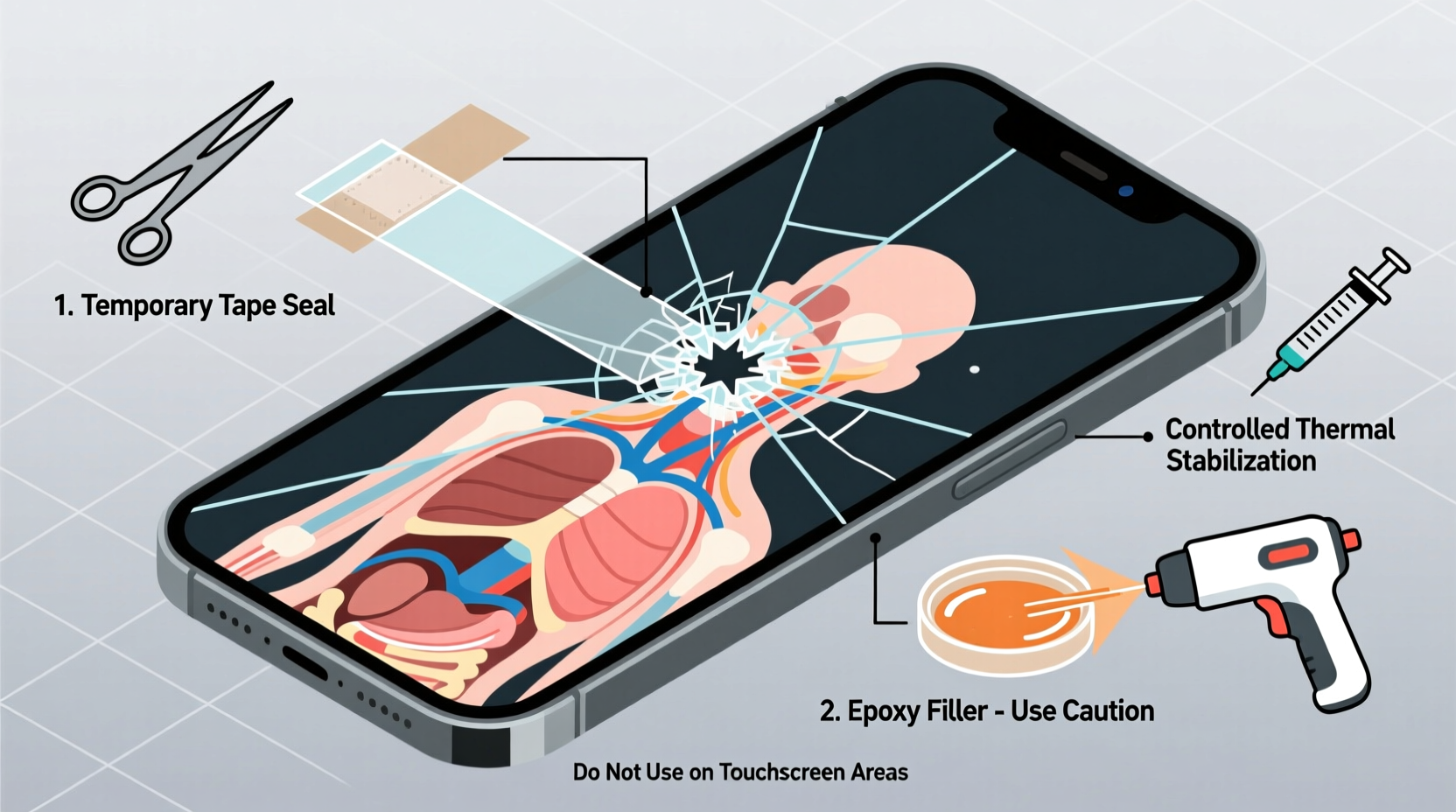
Waiting weeks for a repair appointment or saving up for a new screen leaves your phone vulnerable. A crack can spread due to pressure, temperature changes, or daily use. Moisture may seep into internal components, and sharp glass edges increase the risk of injury. Temporary interventions help by sealing cracks, reducing glare, improving touch sensitivity, and preventing further damage. They’re especially useful for students, travelers, or anyone dependent on their phone for communication, work, or navigation.
According to Dr. Lena Torres, materials engineer at the Mobile Device Research Lab, “Even minor cracks compromise structural integrity. A temporary sealant doesn’t fix the underlying issue but can prevent microfractures from propagating under stress.”
“Even minor cracks compromise structural integrity. A temporary sealant doesn’t fix the underlying issue but can prevent microfractures from propagating under stress.” — Dr. Lena Torres, Materials Engineer
Step-by-Step: Immediate Actions After Cracking Your Screen
The first 24 hours after a screen crack are critical. How you respond can determine whether the damage remains contained or worsens rapidly.
- Turn off the device immediately. This prevents electrical shorts if moisture enters through the crack.
- Inspect the damage. Determine if only the outer glass is cracked or if the display underneath is malfunctioning (e.g., discoloration, dead pixels).
- Clean the surface gently. Use a microfiber cloth to remove loose glass shards. Avoid pressing down.
- Apply protective tape or film. Cover the screen to prevent cuts and contain further cracking.
- Limit usage. Avoid dropping or stressing the phone until stabilized.
Effective Temporary Hacks That Actually Work
These proven methods offer real-world relief from the immediate problems caused by a cracked screen. Each hack targets specific issues like visibility, touch response, or physical safety.
1. Clear Packing Tape as a Quick Seal
One of the simplest and most accessible fixes is using clear packing tape. It covers the crack, reduces light refraction (which causes visual distortion), and protects fingers from sharp edges.
How to apply:
- Cut a piece slightly larger than the screen.
- Align carefully and press from one edge to avoid air bubbles.
- Smooth out with a credit card wrapped in cloth.
- Repeat with a second layer for added durability.
Note: This method works best for hairline cracks. For deep spiderweb fractures, multiple layers may still leave visible gaps.
2. UV-Activated Liquid Glass Repair Kits
Sold online as “crack fill kits,” these products use a resin that flows into cracks and hardens under ultraviolet light. Originally designed for car windshields, adapted versions now target smartphone screens.
Process:
- Clean the screen thoroughly with alcohol wipes.
- Apply the liquid resin directly into the crack using the included syringe or applicator.
- Spread evenly with a plastic card—don’t overfill.
- Expose to UV light (often included in the kit) for 5–10 minutes.
- Wipe excess and let cure for another 30 minutes before use.
Results vary based on crack depth. Surface-level damage fills well; deeper fractures may only see partial improvement. The repaired area often feels smoother and appears less distracting.
3. Use a Screen Protector to Stabilize Micro-Cracks
If the crack hasn’t compromised touch function, applying a tempered glass screen protector can lock fragments in place and prevent spreading.
Choose a self-healing TPU (thermoplastic polyurethane) protector for flexibility. Follow these steps:
- Remove all dust particles with a sticky roller or adhesive lint remover.
- Align the protector slowly—once contact is made, repositioning causes bubbles.
- Press from center outward to eliminate air pockets.
While it won’t hide existing cracks, it adds a protective barrier and improves swipe accuracy by creating a uniform surface.
4. Reduce Glare with Matte Screen Filters
Cracks scatter light, making screens harder to read in sunlight. A matte-finish screen filter diffuses reflections and minimizes the visual impact of fractures.
These anti-glare films are inexpensive and easy to install. Though they slightly reduce clarity (a trade-off for reduced shine), many users report better readability post-application.
What Not to Do: Common Mistakes That Make It Worse
Well-intentioned attempts can accelerate damage. Avoid these practices:
| Don’t | Why It’s Harmful |
|---|---|
| Use super glue or epoxy | These adhesives yellow over time, block light, and are nearly impossible to remove without damaging LCD layers. |
| Blow compressed air into cracks | Forces moisture or debris deeper into the display module, risking internal corrosion. |
| Press hard on the screen | Increases pressure on weakened glass, causing cracks to spread rapidly. |
| Ignore moisture exposure | Even small openings allow humidity to penetrate, leading to fogging or pixel failure. |
| Use wet cloths for cleaning | Liquid can seep through fissures; always dampen the cloth first, never spray directly. |
Real Example: Emergency Fix During Travel
Mark, a freelance photographer traveling in rural Thailand, dropped his phone while hiking. The screen shattered diagonally, making touch input erratic. With no repair shops nearby and a client call scheduled in two days, he needed a fast solution.
He used a UV repair kit purchased online months earlier as a precaution. After cleaning the screen with alcohol wipes from a first-aid kit, he applied the resin and cured it under direct sunlight (using the sun’s natural UV rays). Though the crack remained visible, touch sensitivity improved dramatically, and the surface became smooth enough to swipe reliably. Mark completed his assignments and delayed formal repair until returning home—saving both time and money.
This case illustrates how preparation and knowledge of temporary fixes can turn a crisis into a manageable setback.
Checklist: How to Temporarily Fix a Cracked Phone Screen
Follow this actionable checklist to stabilize your cracked screen quickly and safely:
- ✅ Turn off the phone to prevent electrical hazards
- ✅ Clean the screen with a dry microfiber cloth
- ✅ Apply clear packing tape or a screen protector to cover sharp edges
- ✅ Use a UV resin kit for deeper cracks (if available)
- ✅ Install a matte anti-glare film to improve visibility
- ✅ Avoid exposing the phone to water, heat, or pressure
- ✅ Set up voice commands or accessibility shortcuts to reduce screen interaction
- ✅ Schedule a professional repair within the next 2–3 weeks
Frequently Asked Questions
Can toothpaste really fix a cracked screen?
No. Toothpaste is mildly abrasive and may polish minor scratches on plastic screens, but it does nothing for actual cracks in glass. In fact, rubbing toothpaste into a fractured display can force debris deeper and worsen the damage.
Will insurance or warranties cover accidental screen damage?
Many carrier protection plans (like AppleCare+ or Samsung Protection+) include coverage for accidental damage, usually with a service fee. Standard manufacturer warranties do not cover drops or cracks. Check your policy details before attempting DIY repairs, as some providers require unaltered devices for claims.
How long can I safely use a temporarily repaired screen?
Most temporary fixes last 1–4 weeks depending on usage. High-touch activities, frequent pocket storage, or exposure to temperature swings shorten effectiveness. Always plan for a permanent fix within a month to avoid sudden failure.
Final Tips for Maximizing Usability
Beyond physical repairs, adjust your phone settings to reduce strain on the damaged screen:
- Increase font size and tap targets in accessibility settings.
- Enable voice assistant (Siri, Google Assistant) to minimize touching.
- Use dark mode to reduce glare and make cracks less noticeable.
- Turn on auto-brightness to prevent harsh contrast on broken areas.
Also, consider switching to a rugged case with raised edges to shield the screen when placed face-down.
Conclusion: Act Now, Repair Soon
A cracked phone screen doesn’t have to mean immediate downtime or expensive emergency repairs. With the right temporary hacks—tape seals, UV resins, protective films—you can regain control, maintain functionality, and prevent further damage. These solutions buy you time, but they aren't substitutes for professional service. Treat them as bridges to a lasting fix, not permanent answers.




 浙公网安备
33010002000092号
浙公网安备
33010002000092号 浙B2-20120091-4
Comments
No comments yet. Why don't you start the discussion?