
A slow-draining shower is more than just an inconvenience—it can lead to standing water, mold growth, and even structural damage over time. The good news? In most cases, you don’t need to call a plumber. With a few household tools and some basic know-how, you can restore proper drainage in under an hour. This guide walks you through proven methods to diagnose and resolve common causes of slow drainage, from hair clogs to pipe buildup, all without professional help.
Why Your Shower Drains Slowly
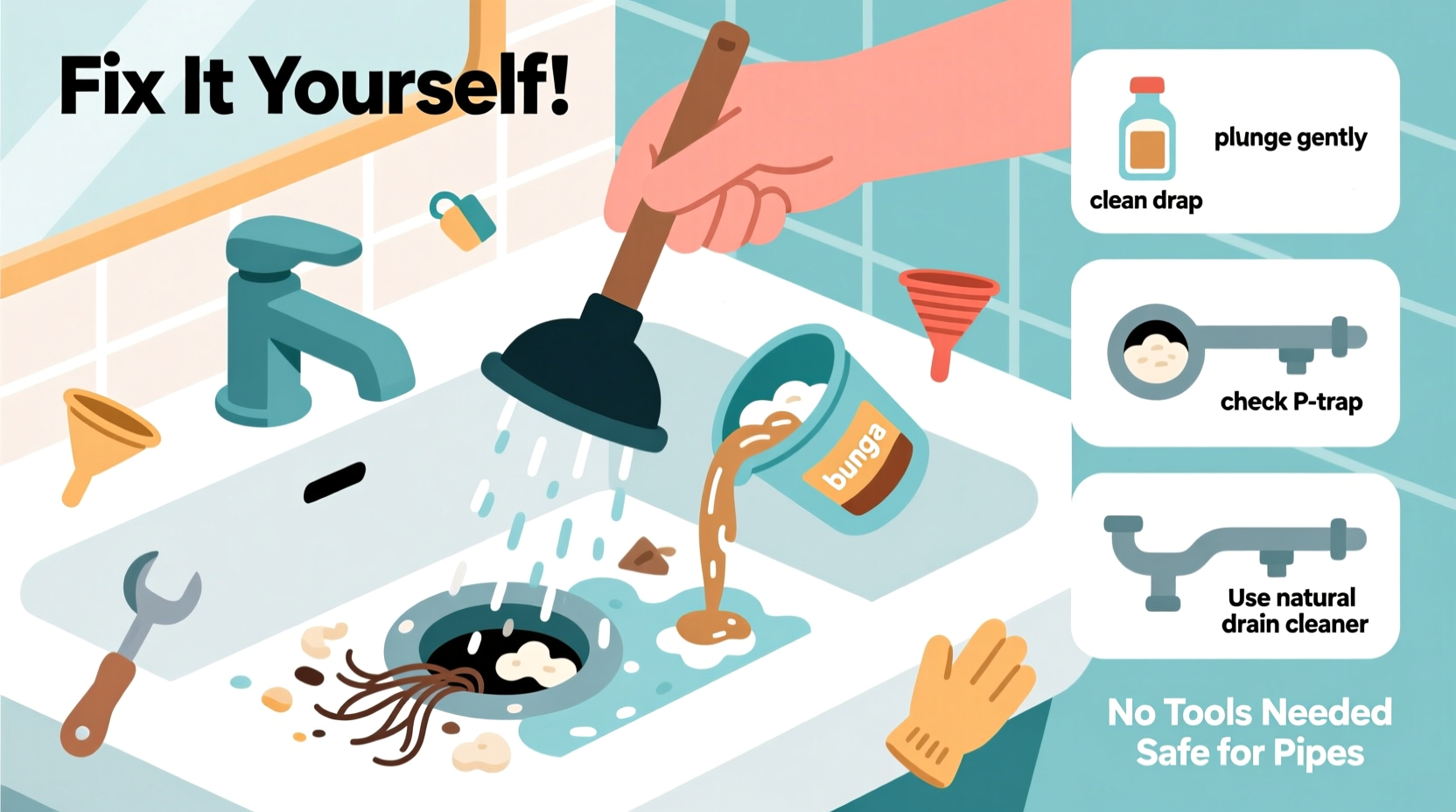
Before diving into fixes, it helps to understand what’s causing the slowdown. Most shower drain issues stem from one or more of these common culprits:
- Hair and soap scum buildup: The #1 cause. Hair combines with soap residue to form a sticky plug just below the drain cover.
- Mineral deposits: Hard water leaves behind calcium and magnesium that coat pipes over time.
- Debris accumulation: Dirt, skin cells, and shampoo residue contribute to gradual blockages.
- Poor venting or partial main line clog: Less common but possible if multiple drains are affected.
In the vast majority of cases, especially in single-unit homes or apartments, the issue is localized and mechanical—meaning it’s something you can clear yourself.
Step-by-Step Guide to Clearing a Slow Shower Drain
Follow this logical sequence to diagnose and remove the blockage safely and effectively. No special skills required—just patience and attention to detail.
- Remove the drain cover
Use pliers or a flathead screwdriver to unscrew or pry off the drain strainer. Some models twist off by hand. Set aside carefully. - Inspect for visible debris
Shine a flashlight down the drain. Look for clumps of hair or gunk near the surface. If visible, use needle-nose pliers or a bent wire hanger to pull it out. - Manually extract trapped hair
Wrap a paper towel around the tips of pliers for better grip. Reach into the drain and pull out any tangled hair. Repeat until no more comes up. - Clean the drain stopper (if applicable)
Some showers have lift-and-turn or flip-lever mechanisms. Remove the stopper and clean it thoroughly with warm, soapy water. - Pour boiling water down the drain
Boil a kettle or large pot of water. Carefully pour it in two stages, allowing time between pours to dissolve grease and soap scum. Avoid using on PVC pipes if they’re old or damaged. - Apply a baking soda and vinegar solution
Pour ½ cup baking soda followed by 1 cup white vinegar into the drain. Cover the opening with a rag to contain the fizz. Let sit for 30 minutes, then flush with hot water. - Use a hand-cranked drain auger (plumber’s snake)
Insert the tip into the drain and slowly crank while pushing forward. When you feel resistance, rotate gently to break up or hook the clog. Pull out slowly, cleaning debris as you go. - Flush with hot water
Run hot tap water for 1–2 minutes to wash away loosened material and test flow.
If water now drains freely, reattach the drain cover. If not, repeat steps 5–7 or consider chemical alternatives cautiously.
Do’s and Don’ts of DIY Drain Maintenance
| Do’s | Don’ts |
|---|---|
| Use boiling water monthly to prevent buildup | Use chemical drain cleaners regularly—they corrode pipes |
| Install a hair catcher to reduce future clogs | Ignore slow drainage—early action prevents worse problems |
| Flush drains weekly with hot water | Force a plunger into a narrow shower drain—it rarely works |
| Disassemble and clean the drain cover every 3 months | Use excessive force with a drain snake—can damage seals |
| Test pH levels if hard water is suspected | Leave standing water in the tray—it promotes mold |
When to Use Chemical Cleaners (And When to Avoid Them)
Chemical drain openers can be effective, but they come with risks. Most contain lye or sulfuric acid, which can degrade older metal pipes and PVC joints over time. They also pose health hazards if mishandled.
Reserve chemical cleaners for stubborn clogs that resist mechanical removal—and only after trying natural methods. Always follow label instructions precisely. Never mix different chemicals, and ventilate the bathroom well during use.
For eco-conscious homeowners, enzymatic cleaners offer a safer alternative. These use bacteria to break down organic matter like hair and soap scum without damaging pipes. They take longer (overnight treatment recommended) but are ideal for regular maintenance.
Real Example: How Sarah Fixed Her Clogged Shower in 45 Minutes
Sarah, a homeowner in Portland, noticed her shower was draining slower each week. Water pooled around her feet, and she could smell a faint odor after use. Instead of scheduling a $150 service call, she decided to investigate.
She removed the drain cover and found a thick wad of hair wrapped around the stopper. Using needle-nose pliers, she extracted several handfuls of tangled strands. She then poured boiling water down the drain, followed by a baking soda and vinegar treatment. After letting it sit for 20 minutes, she ran hot water and saw immediate improvement.
Still not satisfied, she rented a hand-crank auger from her local hardware store for $12. She fed it into the drain and felt resistance at about 18 inches. After rotating and pushing, she pulled out another clump of hair mixed with soap residue. One final flush restored full drainage.
Total time: 45 minutes. Total cost: $12 (for auger rental, returned same day). Result: A fully functioning shower and confidence to handle future clogs.
“Most shower clogs aren’t deep plumbing issues—they’re shallow, accessible, and totally manageable with basic tools.” — Mark Reynolds, Master Plumber with 22 years of field experience
Essential Tools and Supplies Checklist
Keep these items on hand for quick drain maintenance:
- Needle-nose pliers
- Flathead screwdriver
- Baking soda and white vinegar
- Boiling water kettle or pot
- Hand-crank drain auger (affordable models start at $20)
- Rubber gloves (to protect hands from grime)
- Flashlight or phone light
- Enzyme-based drain maintainer (e.g., Bio-Clean or Green Gobbler)
- Mesh hair catcher for ongoing prevention
Having these tools ready means you can act fast at the first sign of sluggish drainage—before it becomes a bigger issue.
Preventing Future Drain Problems
Once you’ve cleared the clog, take steps to keep it from returning. Prevention is far easier than repair.
Start by installing a high-quality hair catcher. Choose one with a fine mesh that fits snugly and is easy to remove for daily cleaning. Encourage household members to wipe it down after each shower.
Establish a monthly maintenance routine: pour boiling water down the drain, followed by a baking soda and vinegar flush. For homes with hard water, consider a water softener or periodic descaling treatments.
Also, avoid pouring oils, lotions, or thick hair products directly into the drain. These substances bind with hair and accelerate clog formation.
Frequently Asked Questions
Can I use a plunger on a shower drain?
It’s possible but often ineffective. Most shower pans don’t create a tight seal needed for plunging. If you try, block the overflow plate with a wet rag and use a flange plunger. However, mechanical removal or a drain snake usually works better.
Is it safe to pour bleach down the shower drain?
Bleach disinfects but doesn’t dissolve clogs. It can react dangerously with other cleaners and damage certain pipes. Use only for sanitizing after clearing a blockage, never as a primary unclogging method.
How do I know if the clog is deeper in the plumbing system?
If multiple fixtures (sink, toilet, tub) are backing up or gurgling, the issue may be in the main sewer line. Similarly, if you’ve cleared the shower trap and used a snake without success, the blockage could be further down. In those cases, professional inspection may be necessary.
Final Thoughts: Take Control of Your Home’s Plumbing Health
Fixing a slow-draining shower doesn’t require a plumbing license or expensive equipment. By understanding the root causes and applying simple, proven techniques, you can maintain smooth drainage and avoid costly service calls. The key is acting early—don’t wait until water pools ankle-deep. Regular inspection, manual cleaning, and preventive treatments go a long way.
Every homeowner will face a clogged drain eventually. What separates those who panic from those who solve it is preparation. Now that you know how to identify, remove, and prevent shower drain clogs, you’re equipped to handle this common household challenge with confidence.




 浙公网安备
33010002000092号
浙公网安备
33010002000092号 浙B2-20120091-4
Comments
No comments yet. Why don't you start the discussion?