
A wobbly dining table isn’t just annoying—it can ruin meals, damage tabletops, and even pose a safety risk, especially when children are around. While many people reach for the phone to call a professional, most cases of instability stem from simple mechanical issues that can be diagnosed and fixed in under an hour using basic household tools. Whether your table has loose joints, uneven legs, or structural flex, this guide walks you through practical, effective solutions to restore stability and extend the life of your furniture.
Diagnose the Source of the Wobble
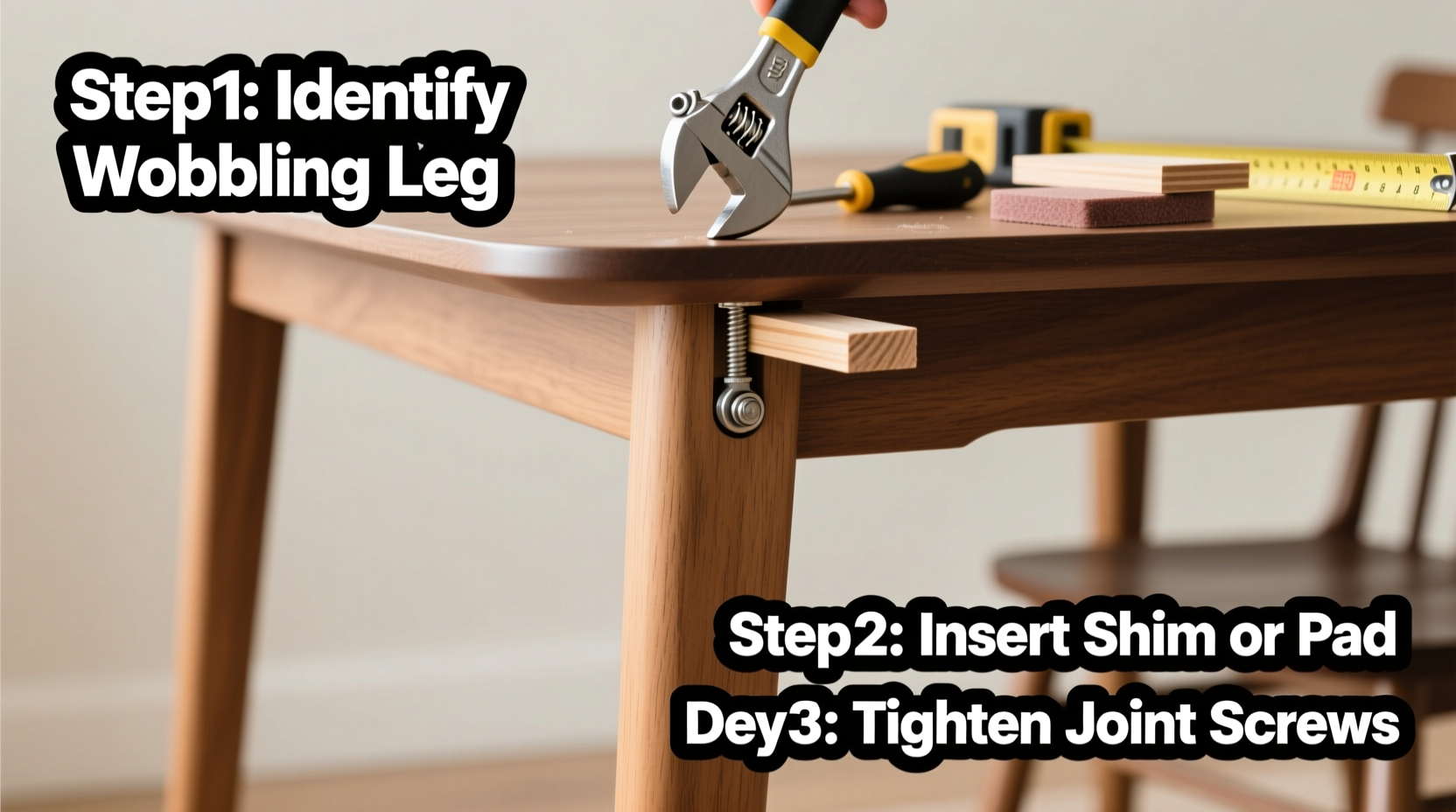
Before grabbing tools, take time to identify where the instability originates. A methodical approach prevents unnecessary repairs and ensures lasting results. Place your hands on opposite corners of the table and gently rock it forward and backward, then side to side. Pay attention to:
- Which leg(s) lift off the ground?
- Do you hear creaking or feel movement at joints?
- Is the wobble consistent on all surfaces, or only on certain flooring?
These observations help pinpoint whether the issue lies in leg alignment, joint integrity, or floor irregularities. For example, if one leg consistently lifts, the problem is likely leg length or floor slope. If the entire frame shifts, the joints or fasteners may be loose.
Essential Tools and Materials You’ll Need
You don’t need specialized equipment to fix most table wobbles. Here’s what to gather before starting:
- Screwdriver (Phillips and flathead)
- Adjustable wrench or socket set
- Wood glue (preferably waterproof, such as Titebond III)
- Clamps (at least two)
- Sandpaper (medium grit, 120–150)
- Shims (wood or plastic) or felt pads
- Level (a small bubble level works)
- Pencil and measuring tape
Having these items ready streamlines the repair process and reduces interruptions. Most are common in home toolkits, and others can be purchased inexpensively at hardware stores.
Step-by-Step Guide to Stabilizing Your Table
Follow this systematic procedure to address the most common causes of table wobble. Each step builds on the previous one, ensuring thoroughness and durability.
- Clear and flip the table safely. Remove all items and carefully turn the table upside down on a soft surface like a blanket to avoid scratching.
- Inspect all connections. Check bolts, screws, dowels, and corner brackets. Tighten any that are loose. Don’t overtighten—this can strip wood or crack joints.
- Test individual legs. Wiggle each leg firmly. If there’s play, the joint between the leg and apron (the horizontal support frame) is likely compromised.
- Disassemble loose joints if necessary. Remove screws or bolts and clean out old glue or debris. Lightly sand mating surfaces to ensure good adhesion.
- Apply wood glue and reassemble. Spread a thin, even layer of wood glue on both sides of the joint. Reinsert dowels or hardware, then clamp tightly. Wipe away excess glue immediately.
- Allow proper drying time. Most wood glues require 8–24 hours to cure fully. Avoid using the table during this period.
- Reinforce weak joints (optional). For added strength, install L-brackets or corner braces under the apron where legs meet the frame.
- Check leg length. Use a measuring tape to confirm all legs are equal. If not, adjust with shims or sanding.
- Level the table on the floor. Place a level across different axes. If one leg doesn’t touch the ground, use adhesive-backed felt pads or wooden shims to compensate.
- Test stability. Flip the table upright and perform a final rock test. Make micro-adjustments as needed.
When to Use Shims vs. Sanding
If your table rocks due to uneven legs, you have two correction options: shorten the longest leg or extend the shortest. Sanding down a longer leg is permanent but precise. Shimming the shorter leg is reversible and safer for finished furniture.
| Method | Best For | Pros | Cons |
|---|---|---|---|
| Sanding | Bare wood legs, unfinished tables | Precise, invisible fix | Permanent; risks damaging finish |
| Shims | Floor protection, finished furniture | Adjustable, non-destructive | May shift over time; visible |
| Felt Pads with Adhesive | Minor adjustments, hardwood floors | Easy application, protects floors | Limited thickness; degrades over time |
Reinforcing Joints for Long-Term Stability
Even after tightening and regluing, some tables remain prone to wobble due to design limitations or repeated stress. Reinforcement adds structural integrity and prevents future issues.
One effective method is installing metal corner braces beneath the apron. These L-shaped brackets screw into both the leg and the frame, resisting lateral movement. Choose stainless steel or coated brackets to resist rust. Position them so screws don’t interfere with existing hardware.
For tables with stretchers (horizontal supports between legs), check for loose mortise-and-tenon joints. If the tenon (protruding wood piece) spins or wiggles, disassemble, apply fresh glue, and clamp. In severe cases, insert a wooden pin or dowel through the joint for mechanical locking.
“Many mass-produced tables use minimal joinery. Adding a single corner brace can increase rigidity by over 60%.” — Daniel Reeves, Furniture Restoration Specialist
Case Study: Restoring a 10-Year-Old Oak Dining Table
Sarah from Portland noticed her oak dining table began wobbling after moving it during a renovation. The rocking worsened over weeks, making dinner uncomfortable. She flipped the table and discovered two front leg joints had separated slightly, with visible gaps and dried glue residue.
She removed the mounting bolts, cleaned the joints with a chisel, sanded the surfaces lightly, and applied Titebond III wood glue. After clamping overnight, she reinforced each joint with a 3-inch steel L-bracket screwed into the apron and leg. To fine-tune stability, she added self-adhesive felt pads to the back left leg. The total repair took 90 minutes and cost under $15. Ten months later, the table remains solid and wobble-free.
Common Mistakes to Avoid
Even well-intentioned fixes can backfire if done incorrectly. Steer clear of these frequent errors:
- Overtightening screws: This strips wood threads, especially in particleboard or MDF, reducing holding power.
- Using regular white glue instead of wood glue: Craft glue lacks shear strength and water resistance for furniture joints.
- Ignoring floor conditions: A perfectly level table can still wobble on carpet or sloped flooring. Always test on a known flat surface first.
- Skipping clamps during gluing: Pressure is essential for a strong bond. Without clamps, glue joints fail prematurely.
- Repairing only one symptom: Fixing a loose bolt without checking other joints leads to recurring problems.
Preventative Maintenance Checklist
To keep your dining table stable for years, follow this seasonal maintenance routine:
- ✅ Inspect all leg connections every 3–6 months
- ✅ Tighten visible screws and bolts (without overtorquing)
- ✅ Clean joints of dust and debris with a dry brush
- ✅ Rotate felt pads or shims to prevent compression wear
- ✅ Monitor for new creaks or movement during use
- ✅ Keep the table away from humidity extremes (e.g., near radiators or exterior doors)
FAQ
Can I fix a wobbly glass-top dining table the same way?
Yes, but with caution. Glass tops are heavy and fragile. Focus on the base stability—tighten base-to-column connections and ensure leveling feet are secure. Avoid placing stress on the glass during repairs. Never flip a glass-top table unless properly supported.
What if my table has metal legs or a pedestal base?
Metal-leg tables often use threaded inserts or bolts. Check for loose fittings at the top plate or foot caps. Pedestal tables usually wobble due to a loose base plate or uneven floor contact. Tighten central bolts and use adjustable feet or shims under the base ring.
Is wood glue really necessary, or can I just tighten the screws?
Screws alone aren't enough for long-term stability. Wood glue fills microscopic gaps and creates a bond stronger than the wood itself when cured. Screws provide initial clamping force, but glue handles ongoing stress. Use both for a durable fix.
Conclusion
Fixing a wobbly dining table doesn’t require expert skills or expensive tools. With a clear diagnosis, the right materials, and careful execution, most repairs can be completed in a single afternoon. The key is addressing root causes—not just symptoms—and reinforcing joints to prevent recurrence. Regular maintenance extends the fix further, preserving both function and appearance.
Don’t let a shaky table disrupt your meals or diminish your space. Take action today: flip it over, inspect the structure, and apply the steps outlined here. You’ll save money, gain confidence in DIY repairs, and enjoy a solid, dependable dining experience for years to come.




 浙公网安备
33010002000092号
浙公网安备
33010002000092号 浙B2-20120091-4
Comments
No comments yet. Why don't you start the discussion?