
A separating zipper is one of the most common wardrobe malfunctions—whether it’s on your favorite winter coat, backpack, or pair of jeans. The good news? You don’t need to replace the entire zipper or visit a tailor. With a few basic tools and some patience, you can fix a zipper that won’t stay closed in under 15 minutes. This guide walks you through diagnosing the issue, understanding how zippers work, and applying reliable fixes using household items.
Understanding Why Zippers Separate
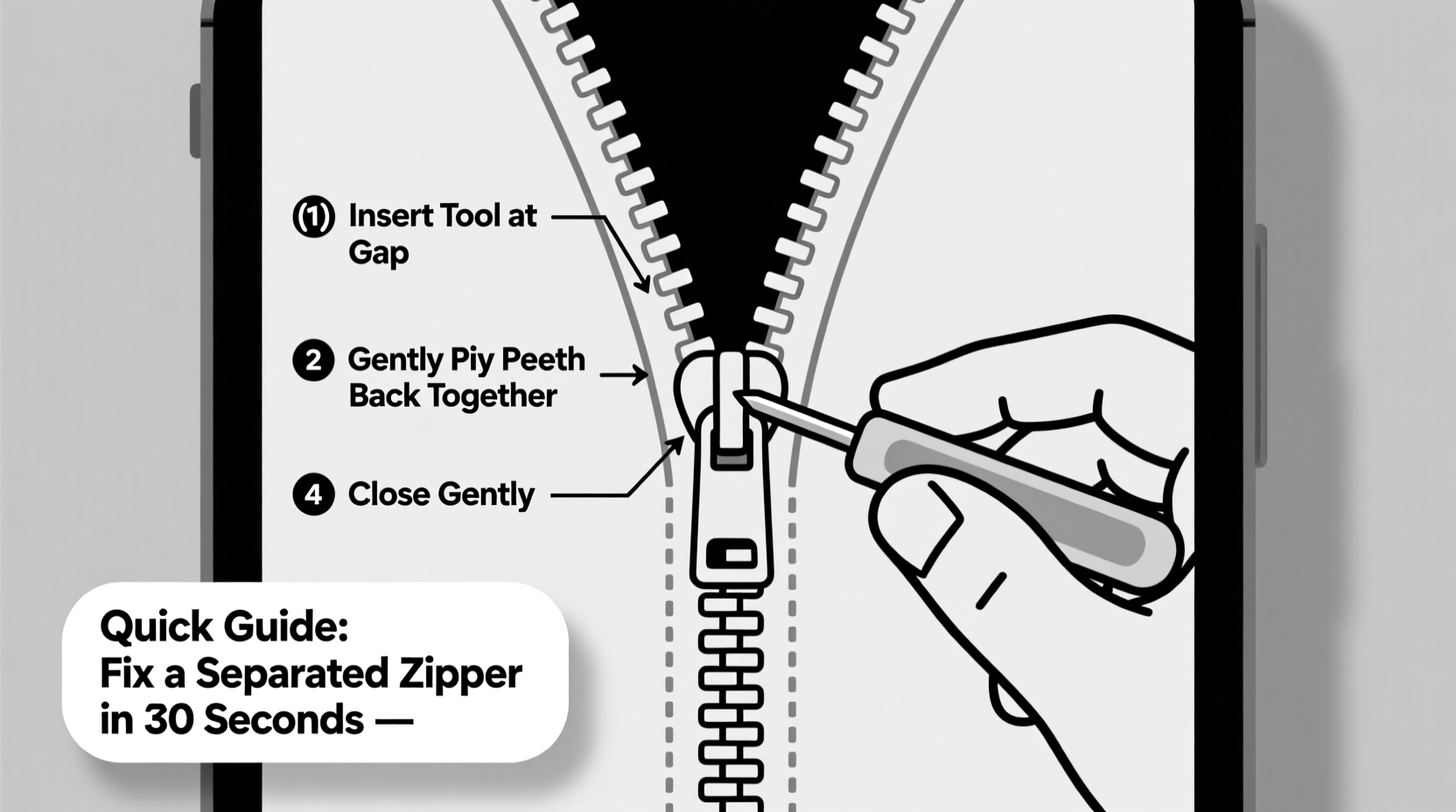
Zippers rely on precise alignment between interlocking teeth and tension from the slider—the metal or plastic piece that moves up and down. When the slider wears out, loses tension, or becomes misaligned, the two sides no longer lock together properly. Common causes include:
- Worn-out slider mechanism due to repeated use
- Dirt, fabric fibers, or debris lodged in the teeth
- Bent or damaged teeth preventing proper meshing
- Pulling the zipper too quickly or at an angle
- Poor-quality zippers used in mass-produced garments
The root cause determines which fix will work best. In many cases, especially with mild separation, restoring tension to the slider is enough to get your zipper functioning like new.
“Most zipper failures aren’t due to broken parts but loss of tension. A small adjustment often restores full function.” — Carlos Mendez, Garment Repair Technician with 18 years of experience
Essential Tools for Fixing a Separating Zipper
You likely already have everything you need at home. Avoid rushing to buy replacement zippers unless absolutely necessary. Here’s what to gather before starting:
| Tool | Use Case | Household Alternative |
|---|---|---|
| Needle-nose pliers | Grip and gently compress the slider | Small tweezers (less effective) |
| Scissors | Cut loose threads or fabric blocking the path | Nail clippers |
| Toothpick or cotton swab | Clean debris from zipper teeth | Matchstick, paperclip |
| Bar soap or candle wax | Lubricate stiff zippers | Chalk, petroleum jelly (sparingly) |
| Sewing needle and thread | Secure temporary fixes or reattach stops | Fishing line or dental floss |
Step-by-Step Guide to Fix a Separating Zipper
This method works for standard coil or molded-tooth zippers found on jackets, luggage, and pants. Follow these steps carefully to avoid damaging the fabric or further distorting the slider.
- Inspect the Zipper Closely
Open the zipper fully. Check for bent teeth, frayed edges, or visible damage. If teeth are missing or severely deformed, repair may not be possible. However, if the structure is intact, proceed. - Remove Debris and Clean the Teeth
Run a toothpick or dry cotton swab along both sides of the zipper teeth to dislodge lint, sand, or hair. For stubborn grime, lightly dampen the swab and wipe clean. Let dry completely before continuing. - Lubricate the Slider and Teeth
Rub a bar of plain soap, unscented candle wax, or a tiny bit of petroleum jelly along the length of the teeth. Move the slider up and down several times to work in the lubricant. This reduces friction and allows smoother operation. - Test the Slider Tension
Close the zipper and observe where it starts to separate. If it holds near the bottom but fails halfway up, the problem is likely tension loss rather than structural damage. - Compress the Slider Gently
Using needle-nose pliers, grip the slider body just behind the pull tab. Apply gentle inward pressure on both sides—just enough to slightly narrow the internal channel. Do not crush or deform the slider. The goal is to increase friction so the teeth stay locked when closed. - Realign the Slider (If Needed)
If the slider feels wobbly or sits crooked, realign it by hand while the zipper is fully closed. Ensure both sides feed evenly into the mechanism. - Test the Zipper Repeatedly
Open and close the zipper five to ten times. Pay attention to smoothness and whether the separation recurs. If it still pops open, repeat compression slightly—over-compression can make the zipper hard to move. - Reinforce the Bottom Stop (Optional)
If the factory stop (the small metal or fabric piece at the base) has worn off, sew a new one using strong thread. Loop the thread around the joined teeth at the bottom three times and knot securely on the backside of the fabric.
When Compression Isn’t Enough: Alternative Fixes
If adjusting the slider doesn’t solve the issue, consider these backup methods:
- Use a Keyring as a Locking Clip: Slide a small keyring or safety pin through the pull tab and attach it to a nearby seam or buttonhole. This prevents accidental opening and works well for backpacks or coats.
- Add a Secondary Pull Tab: Attach a second zipper pull diagonally across from the original. When both tabs are pulled toward opposite shoulders, they create cross-tension that keeps the zipper closed.
- Replace the Slider (Advanced): If the slider is cracked or unresponsive, you can remove it with pliers and slide on a replacement from a junk zipper of the same size and brand. Reattach the top stop with crimping or stitching.
Mini Case Study: Reviving a Winter Jacket Before a Trip
Sarah was packing for a ski trip when she noticed her insulated jacket wouldn’t stay zipped past chest level. She tried tugging harder, then pinned it shut with a safety pin—but neither solution was comfortable or safe for outdoor activity.
She followed the slider compression technique using pliers from her kitchen drawer. After cleaning the teeth with a toothbrush and applying beeswax from a candle, she gently squeezed the slider. On the second try, the zipper stayed closed all the way up. Sarah tested it multiple times and wore the jacket throughout her vacation without issues.
The total time invested: 12 minutes. Cost: $0. Outcome: Avoided last-minute clothing purchase and prevented cold exposure on the slopes.
Do’s and Don’ts of Zipper Maintenance
Prevention is more effective than repair. Follow these guidelines to extend the life of any zipper-dependent item.
| Action | Recommended? | Reason |
|---|---|---|
| Close zippers before washing clothes | ✅ Yes | Prevents snagging and tooth damage in the machine |
| Use oil-based lubricants frequently | ❌ No | Attracts dirt and may stain fabric over time |
| Store bags and coats with zippers closed | ✅ Yes | Reduces stress on individual teeth and maintains alignment |
| Yank the pull tab if stuck | ❌ No | Can bend teeth or detach the slider permanently |
| Carry a spare zipper pull in your repair kit | ✅ Yes | Easy swap if the original breaks during travel |
FAQ
Can I fix a separating zipper without tools?
Yes, in some cases. If the issue is minor stiffness, rubbing a graphite pencil tip or crayon wax along the teeth can provide enough lubrication and slight friction increase to keep the zipper closed temporarily. While less durable than pliers-based fixes, it's useful in emergencies.
Why does my new jacket’s zipper already separate?
Even high-end brands sometimes use low-tolerance zippers to cut costs. Factory sliders may lack sufficient initial tension. A quick compression with pliers often resolves this “break-in” issue. It's also worth checking if the zipper tape (fabric edge) is sewn straight—uneven stitching can cause misalignment.
How long will a fixed zipper last?
A properly adjusted zipper can last months to years depending on usage. A jacket zipper fixed with slider compression typically lasts through a full season. For high-use items like backpacks, inspect monthly and reapply fixes as needed. With care, many repairs outlive the garment itself.
Checklist: Quick Zipper Rescue Routine
Keep this checklist handy for fast troubleshooting:
- ☐ Inspect for visible damage or blockages
- ☐ Clean teeth with dry toothpick or brush
- ☐ Lubricate with soap, wax, or chalk
- ☐ Test movement—open and close slowly
- ☐ Compress slider gently with pliers
- ☐ Reinforce bottom stop if missing
- ☐ Add locking clip or pin if needed for extra security
Conclusion: Save Time, Money, and Your Favorite Gear
A separating zipper doesn’t mean the end of your favorite jacket, purse, or pair of pants. With everyday tools and a few minutes of focused effort, you can restore functionality and avoid unnecessary replacements. These techniques are used daily by tailors, outdoor guides, and frequent travelers who rely on durable gear. Mastering them empowers you to maintain your belongings efficiently and sustainably.




 浙公网安备
33010002000092号
浙公网安备
33010002000092号 浙B2-20120091-4
Comments
No comments yet. Why don't you start the discussion?