
A zipper that splits in the middle is more than just an annoyance—it disrupts your day, exposes your belongings, and can ruin otherwise functional clothing or bags. Whether it's on a favorite jacket, backpack, or pair of jeans, a separating zipper often stems from misalignment, worn sliders, or fabric strain. The good news: most split zippers can be fixed at home without professional help. With a few basic tools and some patience, you can restore function and extend the life of your garment.
Understanding Why Zippers Split
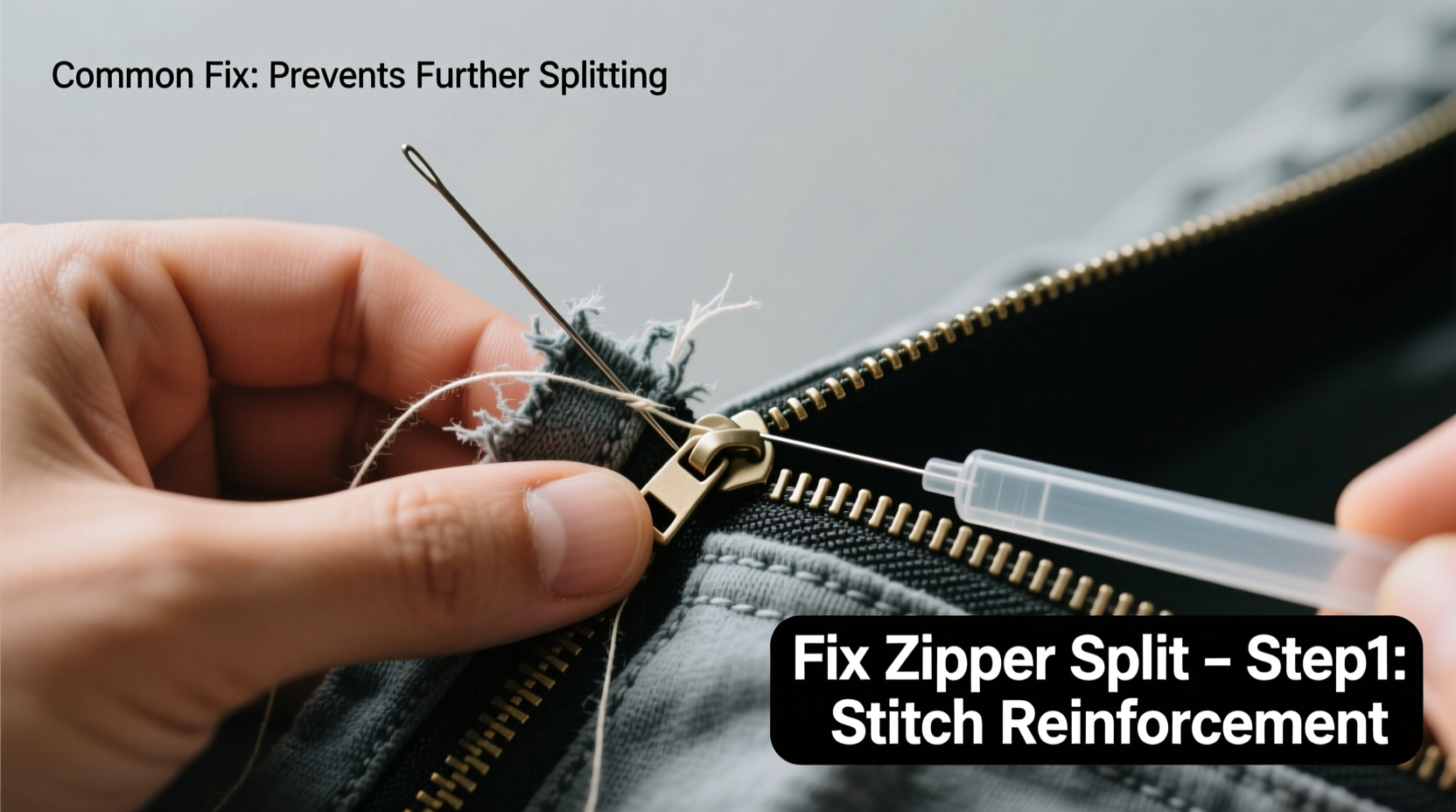
Zippers operate through precise mechanical alignment. Two rows of interlocking teeth are drawn together by a slider—the small tab you pull up and down. When the slider fails to keep the teeth engaged along the entire length, separation occurs. This typically happens in the middle because that section bears the most tension during movement.
Common causes include:
- Worn or loose slider: Over time, the internal mechanism weakens and no longer grips the teeth tightly.
- Misaligned teeth: One side of the zipper may be bent or twisted, preventing proper meshing.
- Fabric stress: If the material around the zipper is stretched or improperly sewn, it pulls the zipper off track.
- Dirt or debris: Grime buildup inside the slider prevents smooth operation.
- Incorrect slider size: A mismatch between the slider and zipper gauge leads to poor engagement.
Before attempting any repair, identify which factor is responsible. A visual inspection while slowly opening and closing the zipper can reveal where and why the separation begins.
Step-by-Step Guide to Fix a Splitting Zipper
Most mid-zipper splits can be corrected using one or more of the following techniques. Start with the least invasive method and progress only if needed.
- Clean the Zipper Thoroughly
Use a soft toothbrush and mild soapy water to scrub both sides of the zipper teeth. For stubborn grime, dip the brush in rubbing alcohol. Dry completely before proceeding. A clean zipper often performs better simply because debris isn’t interfering with the slider’s grip. - Realign Misaligned Teeth
Gently pinch the two sides of the zipper together near the split point using needle-nose pliers. Work from the bottom upward, ensuring the teeth sit flush. Avoid bending metal teeth too sharply, as this can cause permanent damage. - Tighten the Slider
This is the most effective fix for loose sliders. Place the slider between the jaws of needle-nose pliers, applying gentle pressure on the sides (not top and bottom). Squeeze slightly to compress the internal channel. Test after each adjustment—over-tightening can make the zipper hard to move. - Use a Temporary Stopper
Slide a key ring, paperclip, or small zip tie through the hole at the bottom of the zipper (if present) to act as a secondary stopper. This prevents the slider from traveling too far down and losing alignment. - Reinforce with Thread (Sewing Method)
Sew a small bar tack—a series of tight backstitches—at the base of the zipper where it attaches to the fabric. This reduces strain on the lower part of the zipper and prevents sagging that leads to splitting. - Replace the Slider (Advanced)
If tightening doesn’t work, replace the slider entirely. Remove the old one by prying off the stopper at the top with pliers. Slide the new one on, align the teeth, then crimp a new stopper (available at sewing stores) or use a strong knot of thread to secure it.
When to Consider Professional Repair
If the zipper tape (the fabric edge holding the teeth) is torn, or multiple teeth are missing, home fixes may not last. In such cases, a tailor can replace the entire zipper or reinforce the surrounding area. However, for minor splitting due to slider wear or misalignment, DIY solutions are usually sufficient.
Do’s and Don’ts of Zipper Maintenance
| Do | Don't |
|---|---|
| Close zippers before washing clothes | Force a stuck zipper open or closed |
| Lubricate stiff zippers with graphite or beeswax | Use oil-based lubricants like WD-40 (they attract dirt) |
| Store garments zipped to reduce stress | Overstuff bags or jackets, which strains zippers |
| Inspect zippers monthly for early signs of wear | Ignore small splits—they worsen over time |
| Use both hands when zipping to maintain alignment | Pull only by the fabric near the zipper |
Real Example: Fixing a Splitting Backpack Zipper
Jamie, a college student, noticed her hiking backpack’s main compartment zipper kept coming apart halfway up. She avoided carrying it, worried her laptop would fall out. After inspecting the zipper, she saw no broken teeth but noticed the slider wobbled slightly when moved.
She cleaned the zipper with a toothbrush and rubbing alcohol, then used needle-nose pliers to gently squeeze the slider from the sides. After three careful adjustments and testing each time, the zipper stayed closed securely. To prevent recurrence, she added a small stitch at the base of the zipper to limit excessive movement. The backpack lasted another full semester without issues—all for less than five minutes of effort and zero cost.
This case illustrates how a simple mechanical fault—loose slider tension—can mimic more serious damage, yet be resolved quickly with basic tools.
“Most zipper failures aren’t about broken parts—it’s about lost tension. A properly adjusted slider can breathe new life into an aging zipper.” — Daniel Ruiz, Garment Repair Technician with 15 years of experience
Preventive Checklist for Long-Lasting Zippers
To avoid future splitting, follow this routine maintenance checklist:
- ✅ Inspect zippers monthly for wobbling sliders or misaligned teeth
- ✅ Clean zippers every 4–6 weeks, especially on frequently used items
- ✅ Lubricate metal zippers quarterly with wax or graphite
- ✅ Reinforce the base of high-stress zippers with stitching
- ✅ Replace worn sliders before complete failure occurs
- ✅ Store zipped items fully closed to maintain alignment
- ✅ Avoid overloading bags or garments with heavy contents
Regular attention prevents sudden breakdowns. Think of zipper care like sharpening knives or rotating tires—it’s small upkeep that avoids major inconvenience later.
Frequently Asked Questions
Can I fix a zipper that keeps separating without replacing it?
Yes, in most cases. Separation is commonly caused by a loose slider or dirty teeth—not structural failure. Cleaning, realigning teeth, and tightening the slider resolve the issue 80% of the time. Only when teeth are missing or the tape is damaged is full replacement necessary.
What household items can I use to tighten a zipper slider?
Needle-nose pliers are ideal, but tweezers with a firm grip can work for very light adjustments. Some people use the edge of a coin to nudge the slider walls inward, though this is less precise. Never use pliers with serrated jaws unless covered with tape to avoid scratching.
Is it worth fixing a zipper on a cheap item?
Often, yes. The time investment is minimal—usually under 10 minutes—and success rates are high. Even low-cost clothing or accessories can gain months of additional use. Plus, repairing instead of replacing supports sustainable consumption and reduces textile waste.
Conclusion: Small Fixes, Big Results
A zipper that splits in the middle doesn’t mean the end of a jacket, bag, or pair of pants. With a clear understanding of how zippers work and a few common tools, you can diagnose and correct the problem quickly. Most repairs take less than 10 minutes and cost nothing. Beyond immediate fixes, adopting simple maintenance habits dramatically extends the lifespan of all your zipped items.




 浙公网安备
33010002000092号
浙公网安备
33010002000092号 浙B2-20120091-4
Comments
No comments yet. Why don't you start the discussion?