
A splitting zipper is one of the most frustrating issues for frequent bag users. Whether it’s your daily work tote, favorite backpack, or weekend travel companion, a zipper that won’t stay closed compromises both function and security. Many people assume the only solution is to replace the entire bag or take it to a tailor—but that’s rarely necessary. With the right tools and techniques, you can often repair a split zipper yourself in under 30 minutes.
This guide walks through proven methods to diagnose and fix a zipper that separates, using accessible tools and minimal sewing skills. From adjusting misaligned sliders to replacing just the pull tab, these solutions preserve your bag’s integrity while saving time and money.
Understanding Why Zippers Split
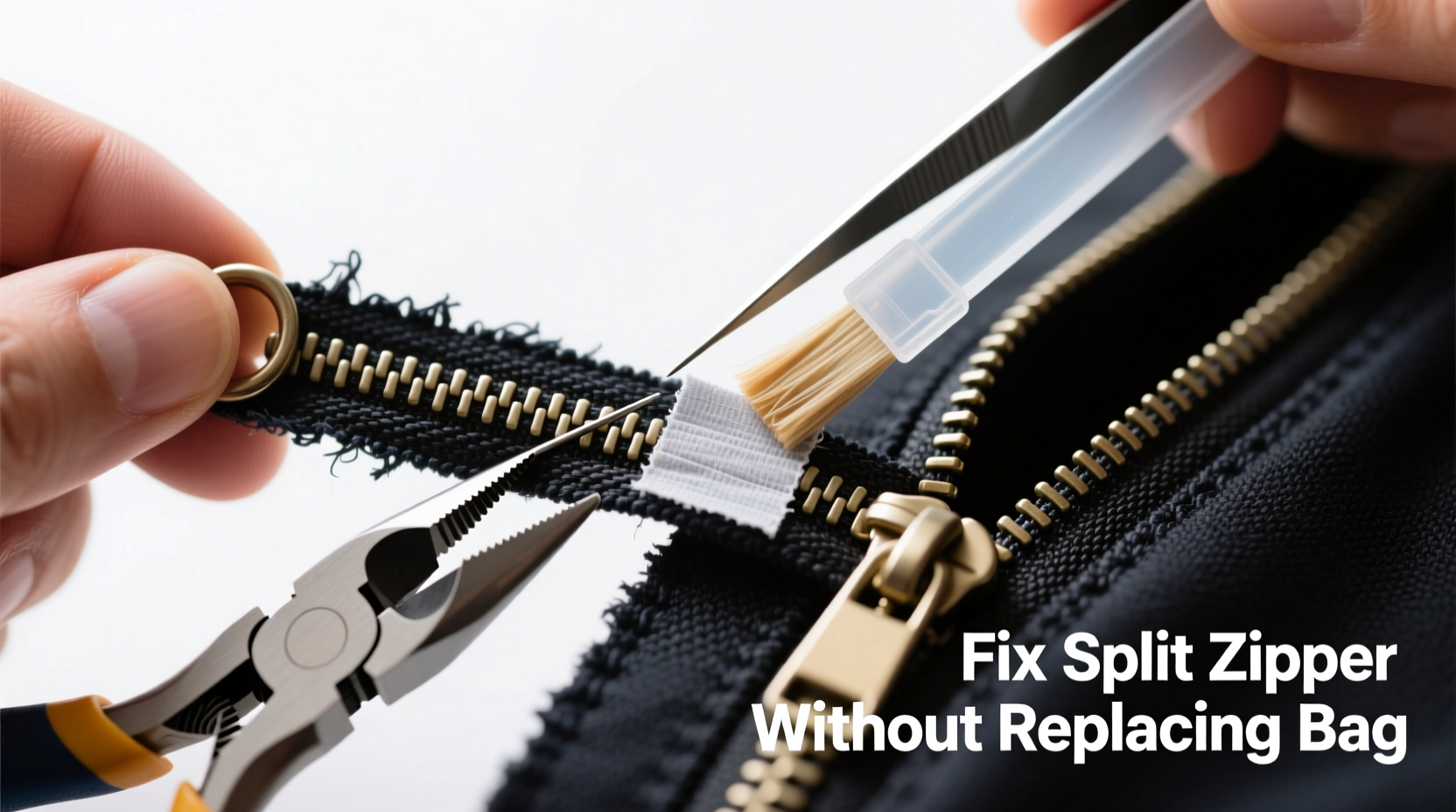
Zippers fail not because they’re inherently weak, but due to mechanical misalignment or wear over time. The two most common causes of splitting are:
- Slider tension loss: The metal slider loses its grip on the zipper teeth, allowing them to separate when pulled.
- Off-track alignment: One side of the zipper fabric tape shifts, causing the teeth to misalign during closure.
Less frequently, damage to the stopper (the small metal or plastic piece at the end) allows the slider to travel too far, forcing the zipper apart. In rare cases, the teeth themselves may be worn or broken, requiring partial replacement.
“Most zipper failures are mechanical, not structural. A quick adjustment often restores full function.” — James Rivera, Textile Repair Technician with 18 years of experience
Step-by-Step Guide: Fixing a Splitting Zipper
Before assuming the zipper needs replacement, try these non-invasive fixes. Most require only household tools and take less than 20 minutes.
Step 1: Inspect the Zipper Mechanism
Close the zipper completely and examine:
- The alignment of both sides of the teeth.
- Whether the slider sits evenly over the chain.
- If the pull tab moves smoothly or catches at a specific point.
If one side of the zipper fabric appears loose or shifted, realign it by gently tugging the fabric toward the center while zipping up slowly.
Step 2: Tighten the Slider
A loose slider is the leading cause of zipper separation. To restore tension:
- Remove the pull tab if possible (some detach easily; others require cutting the string).
- Use needle-nose pliers to gently squeeze the slider body from the top down. Apply light pressure to compress the internal channel.
- Test the zipper after each adjustment. Over-tightening can prevent smooth movement.
This method works best on metal sliders. Plastic sliders may crack if compressed too much.
Step 3: Realign Misguided Teeth
If the zipper closes but splits near the bottom or middle:
- Unzip fully and inspect for bent or missing teeth.
- Use tweezers or fine pliers to straighten any crooked teeth.
- Ensure both sides interlock evenly before re-zipping.
For fabric-based zippers (like on nylon backpacks), press the teeth gently with a warm iron over a cloth to reshape minor warping—use low heat to avoid melting.
Step 4: Replace the Pull Tab
A missing or damaged pull tab can cause uneven pressure, leading to separation. Replacement is simple:
- Cut off the broken pull tab with wire cutters.
- Slide a new pull tab onto the slider pin.
- If no replacement is available, use a keyring, paperclip, or shoelace as a temporary handle.
This small fix often resolves recurring splitting caused by awkward pulling angles.
Step 5: Reinforce the Bottom Stopper
If the slider rides past the end of the track, the zipper will always come apart. To fix:
- Remove the existing stopper by filing or clipping it off carefully.
- Reposition the slider at the true end of the zipper.
- Create a new stopper by sewing a few tight stitches across both fabric tapes beneath the slider.
Alternatively, crimp a small metal bead or rivet onto the zipper tape to block slider movement.
Do’s and Don’ts of Zipper Maintenance
| Action | Do | Don't |
|---|---|---|
| Cleaning | Wipe with a damp cloth; use mild soap for stains | Soak the zipper or use harsh detergents |
| Lubrication | Apply graphite powder or beeswax sparingly | Use oil-based lubes that attract dirt |
| Opening/Closing | Hold the fabric near the base when zipping | Pull only on the tab, especially if stuck |
| Storage | Store zippers closed to maintain alignment | Leave bags stuffed tightly for long periods |
| Repairs | Address small issues early | Ignore fraying or recurring splits |
Regular maintenance prevents 80% of zipper failures. A quick wipe-down and occasional lubrication keep the mechanism running smoothly.
Real Example: Repairing a Split Backpack Zipper
Sophie, a college student, noticed her favorite hiking backpack kept opening halfway through her commute. Initially, she assumed the zipper was beyond repair and considered buying a new one. Instead, she followed the slider-tightening method described above.
Using pliers, she gently compressed the metal slider. After three small adjustments and testing each time, the zipper stayed closed under pressure. She reinforced the bottom stopper with two hand-stitched knots and applied a drop of beeswax for smoother operation.
The entire repair took 18 minutes and cost nothing. Six months later, the backpack remains fully functional—a testament to the effectiveness of timely, precise fixes.
“Students and commuters put heavy stress on zippers. A five-minute fix can extend a bag’s life by years.” — Dr. Lena Park, Sustainable Fashion Researcher at Green Design Institute
Troubleshooting Common Scenarios
Not all zipper problems are the same. Here’s how to respond to specific failure types:
- Zipper closes but splits at the top: Likely a worn slider. Try tightening first, then consider replacing just the slider unit.
- Teeth won’t interlock at all: Check for foreign material (lint, thread) blocking the track. Clean with a toothbrush and mild soap.
- Slider jams midway: Bent teeth are usually the culprit. Straighten with tweezers or pliers.
- Fabric puckering near the zipper: Stitching has loosened. Re-sew the seam along the zipper tape to stabilize alignment.
In extreme cases—such as multiple missing teeth or a torn fabric tape—partial zipper replacement may be needed. However, this still avoids discarding the entire bag.
Essential Tools Checklist
Keep these items on hand for quick zipper repairs:
- Needle-nose pliers
- Small screwdriver or pin for prying
- Scissors or wire cutters
- Beeswax or graphite lubricant
- Thread and needle (for stopper repair)
- Spare pull tabs or keyrings (temporary replacements)
- Tweezers for precision handling
Store them in a small pouch labeled “bag repair kit.” Having tools ready ensures you can act immediately when issues arise.
FAQ
Can I fix a split zipper without sewing?
Yes. Most common fixes—tightening the slider, realigning teeth, or replacing the pull tab—don’t require sewing. Only stopper reinforcement or fabric reattachment needs stitching.
What if tightening the slider doesn’t work?
If the slider is too worn, purchase a replacement online or salvage one from an old bag. Slide it on from the end of the zipper chain and secure with a new stopper.
Is it worth fixing a cheap bag’s zipper?
Absolutely. Even inexpensive bags have usable materials and structure. Repairing the zipper extends usability and reduces waste. If the bag is otherwise sound, the fix offers excellent value.
Conclusion: Small Fixes, Big Impact
A splitting zipper doesn’t mean the end of your favorite bag. With basic tools and a methodical approach, most issues can be resolved quickly and affordably. The key is acting early—before minor misalignment leads to irreversible damage.
Mastering these repair techniques empowers you to maintain your belongings longer, reduce consumption, and save money. Whether it’s a designer tote or a $20 backpack, every bag deserves a second chance.




 浙公网安备
33010002000092号
浙公网安备
33010002000092号 浙B2-20120091-4
Comments
No comments yet. Why don't you start the discussion?