
Frizzy edges on synthetic wigs are a common frustration for wearers who rely on their hairpieces for style, confidence, or medical reasons. Whether caused by humidity, improper handling, or long-term use, frizz disrupts the smooth, polished look many seek. The challenge lies in correcting it without compromising the delicate nature of synthetic fibers. Unlike human hair, these fibers can’t withstand high heat, harsh chemicals, or aggressive brushing. Fixing frizz requires a balance of precision, patience, and knowledge of fiber behavior.
Synthetic wigs are made from materials like Kanekalon, Toyokalon, or modacrylic—engineered to mimic natural hair but with different structural limits. Exposing them to excessive heat or moisture can cause irreversible damage, including melting, tangling, or permanent texture change. This makes traditional frizz-taming tools like flat irons or serums risky if used incorrectly. However, with the right techniques, frizzy edges can be restored safely and effectively.
Understanding Synthetic Wig Fiber Behavior
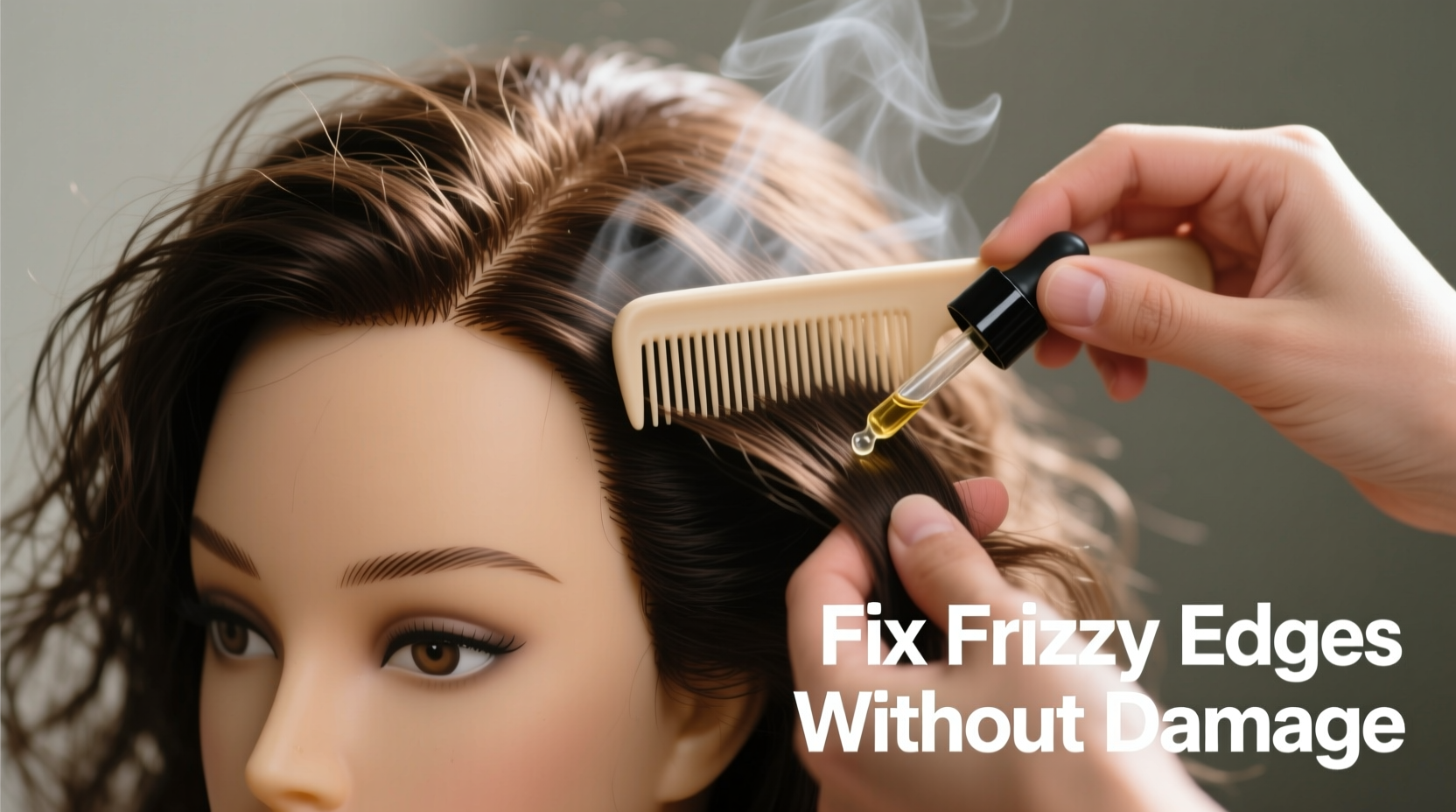
Synthetic fibers are thermoplastic, meaning they soften and reshape when heated but can melt or deform if overheated. Most synthetic wigs are designed to hold a specific style at temperatures between 275°F and 300°F (135°C–150°C). Exceeding this range—even briefly—can ruin the fiber structure. Humidity also plays a role: synthetic hair absorbs minimal moisture, but prolonged exposure to damp air can loosen curled textures and create a fuzzy appearance along the hairline.
The front edges of wigs are particularly vulnerable because they’re exposed to wind, friction from clothing, and frequent touching. Over time, this leads to static buildup, split ends, and frizz. Additionally, low-quality wigs often have unsealed wefts or rough-cut lace fronts, which contribute to fiber lift and flyaways.
“Synthetic wigs demand respect for their material limits. A single misuse of heat can undo months of careful styling.” — Dana Reyes, Wig Care Specialist & Salon Educator
Step-by-Step Guide to Safely Smooth Frizzy Edges
Correcting frizz on synthetic wigs doesn’t require expensive products or professional tools. What matters most is consistency and gentle handling. Follow this timeline-based approach to restore sleekness without damage.
- Day 1: Cleanse Gently
Use a mild, sulfate-free synthetic hair shampoo diluted in cool water. Submerge only the front edge area for 2–3 minutes. Avoid rubbing; instead, let the solution sit. Rinse thoroughly with cool water to remove residue that attracts static. - Day 2: Condition with Caution
Apply a small amount of synthetic hair conditioner only to the frizzy sections. Do not use human hair conditioners—they contain oils and proteins that coat and stiffen synthetic fibers. Leave on for 5 minutes, then rinse completely. Pat dry with a microfiber towel; never rub. - Day 3: Steam for Reshaping
Hold a garment steamer 6–8 inches from the frizzy edge. Pass steam evenly across the hairline for 10–15 seconds per section. Immediately after steaming, gently smooth the fibers downward with a wide-tooth comb or your fingers. Steam softens the fibers just enough to reset the cuticle without scorching. - Day 4: Lock in Smoothness
Once fully dry, apply a light mist of anti-static spray formulated for synthetic fibers. Alternatively, mix one drop of baby-safe silicone serum with 2 ounces of distilled water in a spray bottle. Lightly spritz and smooth with fingertips. - Ongoing: Night Protection
Store the wig on a stand and cover the front edge with a satin scarf or bonnet. This prevents friction-induced frizz during storage.
Do’s and Don’ts: Maintaining Synthetic Edge Integrity
| Action | Do | Don’t |
|---|---|---|
| Detangling | Use a wide-tooth comb starting from the tips upward | Use a fine brush or start from roots |
| Heat Application | Use steam or a low-heat setting (<250°F) with protection | Apply direct heat from curling irons or blow dryers on high |
| Cleaning | Wash every 6–8 wears with cool water and wig-specific shampoo | Soak in hot water or use dish soap |
| Styling Products | Use synthetic-safe sprays or diluted silicone mists | Apply heavy gels, pomades, or alcohol-based hairsprays |
| Storage | Keep on a wig stand, covered with breathable fabric | Store in plastic bags or expose to sunlight |
Real Example: Restoring a Daily-Wear Wig After Summer Humidity
Consider Maria, a nurse who wears her synthetic wig daily under a mask. By mid-summer, the front edges had become unruly due to sweat, friction, and air conditioning cycles. She tried brushing it more aggressively, which worsened the frizz. Instead of improving, the hairline began to lift and tangle.
Following the step-by-step method above, Maria washed the wig with a diluted synthetic shampoo, conditioned lightly, and used a garment steamer on low setting. She smoothed each section with her fingers immediately after steaming. Within two days, the edges lay flat again. To prevent recurrence, she started wearing a thin silk undercap and storing the wig under a cotton cover. Six weeks later, the wig still maintained its original shape and smoothness.
This case illustrates that environmental stressors compound over time, but consistent, gentle care can reverse damage before it becomes permanent.
Expert-Approved Tools and Products
Not all tools marketed for wigs are safe for synthetic fibers. Choose products designed specifically for thermoplastic hair. Here are the most reliable options:
- Wide-Tooth Comb (Plastic or Wood): Prevents snagging and reduces static. Metal combs can split fibers.
- Garment Steamer (Low Heat): Safer than flat irons; delivers controlled moisture and heat.
- Synthetic Hair Shampoo & Conditioner: Formulated without sulfates or oils that degrade fiber quality.
- Anti-Static Spray for Wigs: Neutralizes flyaways without residue buildup.
- Satin or Silk Scarf: Protects edges during sleep or storage.
Avoid household items like regular hairspray, olive oil, or DIY vinegar rinses. These may seem cost-effective but often lead to stiffness, discoloration, or accelerated fiber breakdown.
Checklist: Frizz-Free Edge Maintenance Routine
Follow this weekly checklist to keep synthetic wig edges smooth and manageable:
- ☐ Inspect front edges for signs of lifting or frizz
- ☐ Wash with cool water and synthetic-safe shampoo (every 6–8 wears)
- ☐ Condition lightly, focusing only on the problem areas
- ☐ Detangle gently with a wide-tooth comb
- ☐ Steam and reshape if needed
- ☐ Apply anti-static mist after drying
- ☐ Store covered with a satin or cotton protector
- ☐ Avoid touching edges frequently during wear
Frequently Asked Questions
Can I use a flat iron on my synthetic wig to fix frizz?
You can, but only if the flat iron has a precise temperature control set below 250°F (121°C) and is labeled safe for synthetic hair. Always test on a hidden weft first. Even then, repeated use increases the risk of melting. Steaming is a safer alternative for reshaping.
Why do my wig edges get frizzy so quickly?
Rapid frizz is usually due to environmental exposure (humidity, wind), friction from clothing or masks, or improper cleaning. Low-quality fibers or poorly sealed lace fronts also contribute. Regular maintenance and protective habits can significantly slow frizz development.
Is there a way to permanently seal frizzy ends?
No method permanently seals synthetic fibers without risking damage. Trimming is the only permanent fix, but it should only be done by a professional stylist familiar with wig construction. Attempting to cut fibers yourself can create uneven lines or unravel wefts.
Conclusion: Preserve Beauty Through Smart Care
Fixing frizzy edges on synthetic wigs isn’t about quick fixes—it’s about understanding the material and responding with intelligent, gentle care. The goal isn’t just to smooth today’s frizz but to prevent tomorrow’s. By adopting a routine that prioritizes low heat, proper products, and protective storage, you extend the life and beauty of your wig significantly.
Every synthetic wig has a lifespan, but how you treat it determines whether that lifespan is six months or two years. With the right knowledge, even heavily worn wigs can look fresh and polished. Start implementing these practices today—your confidence, and your wig, will thank you.




 浙公网安备
33010002000092号
浙公网安备
33010002000092号 浙B2-20120091-4
Comments
No comments yet. Why don't you start the discussion?