
For many men, a full, well-groomed beard is more than just facial hair—it's a symbol of confidence, maturity, and personal style. Yet, patchy beard growth remains one of the most common frustrations for those trying to grow facial hair. Whether you're dealing with sparse areas on your cheeks, weak chin coverage, or uneven density, the good news is that many cases of patchiness can be improved with the right approach.
While genetics play a significant role in how your beard grows, they don’t tell the whole story. Nutrition, skincare, grooming habits, and even lifestyle choices influence beard health and thickness. With targeted strategies, consistent care, and realistic expectations, it’s possible to minimize the appearance of patchiness and encourage stronger, more uniform growth.
Understanding Why Beards Grow Patchy
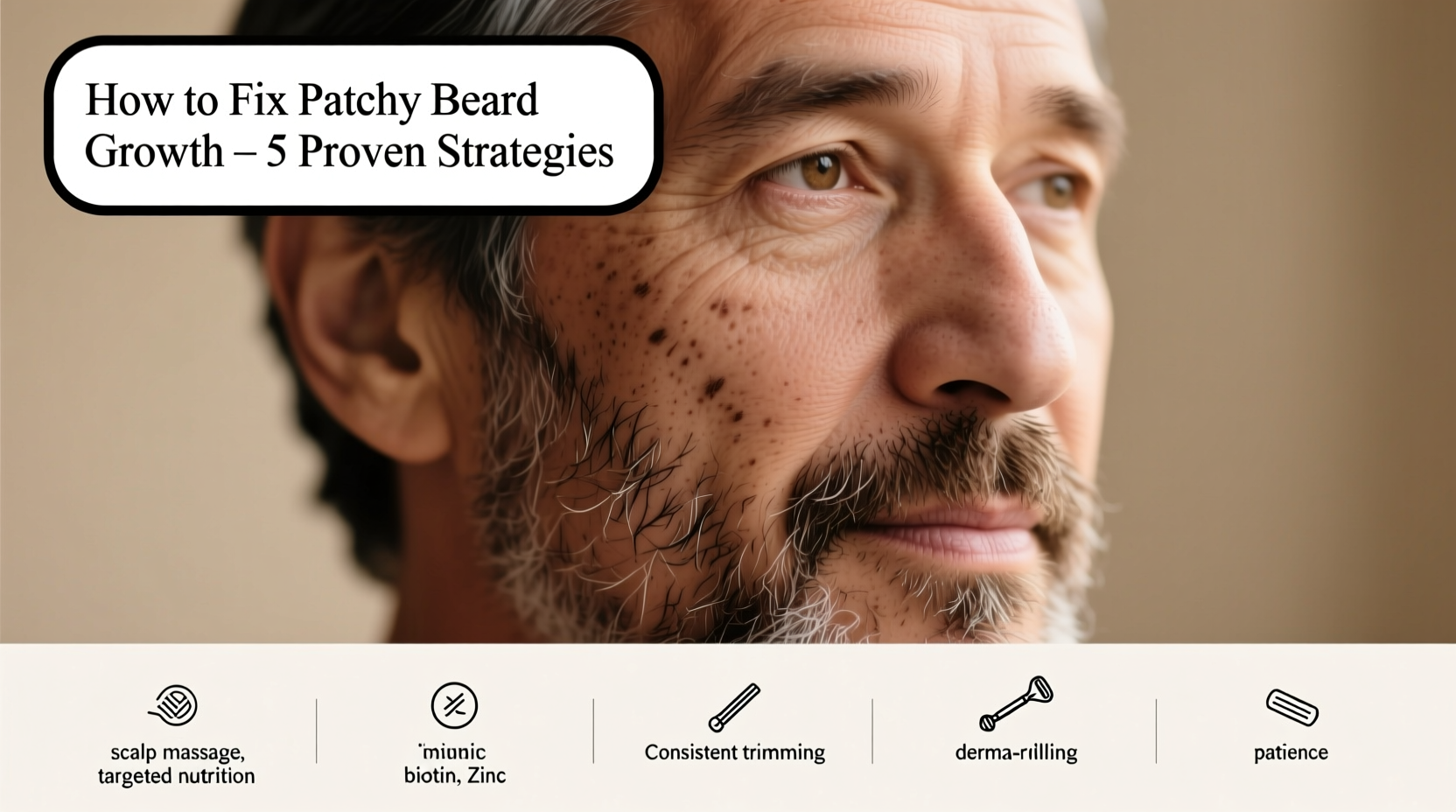
Before diving into solutions, it helps to understand what causes uneven beard growth. The most influential factor is genetics. Your DNA determines not only how much facial hair you can grow but also where follicles are concentrated. Some men naturally have fewer active follicles in certain areas—especially along the jawline or upper cheeks—leading to gaps or thin spots.
Hormones also play a crucial role. Dihydrotestosterone (DHT), a derivative of testosterone, stimulates facial hair follicles. However, sensitivity to DHT varies across different parts of the face, which explains why some patches grow faster than others. Additionally, low hormone levels during early adulthood may result in slower development, often mistaken for permanent sparseness.
Other contributing factors include:
- Poor nutrition: Deficiencies in vitamins like B12, D, and minerals such as zinc and iron can impair hair growth.
- Skin conditions: Acne, fungal infections, or clogged pores can hinder healthy follicle function.
- Stress: Chronic stress increases cortisol levels, which may disrupt normal hair cycles.
- Age: Beard maturity typically peaks between ages 25 and 30. Many younger men see improvements over time.
Effective Strategies to Improve Beard Fullness
You can't change your genes, but you can optimize the environment for better beard growth. These science-backed and dermatologist-approved methods help enhance density and reduce the visibility of patchiness.
Nourish from Within: Optimize Your Diet
Healthy hair starts at the root—literally. Facial hair requires the same nutrients as scalp hair, including protein, biotin, and essential fatty acids. A balanced diet rich in whole foods supports keratin production and strengthens hair strands.
“Nutrition has a direct impact on hair quality. Men who correct deficiencies often notice thicker, darker beards within months.” — Dr. Alan Reyes, Dermatologist specializing in hair disorders
Foods that support beard growth include:
- Eggs (rich in biotin and protein)
- Spinach and leafy greens (iron and folate)
- Fatty fish like salmon (omega-3s)
- Nuts and seeds (zinc, vitamin E)
- Lean meats (high-quality protein and B12)
Supplements like biotin, collagen peptides, and multivitamins formulated for hair, skin, and nails may offer additional support—but only if dietary intake is insufficient.
Maintain a Healthy Skincare Routine
Your beard grows out of your skin, so skin health directly affects hair health. Dry, flaky skin or clogged pores can prevent hairs from breaking through the surface. Establishing a simple skincare regimen promotes a clean, nourished base for growth.
Cleanse daily with a gentle facial wash to remove dirt and oil. Follow with a non-comedogenic moisturizer to maintain hydration. Exfoliate 2–3 times per week using a mild scrub or chemical exfoliant (like salicylic acid) to prevent ingrown hairs and dead skin buildup.
Stimulate Follicles with Massage and Microneedling
Facial massage increases blood circulation to the beard area, delivering oxygen and nutrients to hair follicles. Spend 3–5 minutes each day massaging your beard region using fingertips in circular motions. For enhanced results, use a jade roller or gua sha tool.
Microneedling—also known as derma rolling—is a more advanced technique supported by clinical studies. Using a sterile 0.5mm roller 1–2 times per week creates micro-injuries that trigger collagen production and may reactivate dormant follicles.
A 2013 study published in the *International Journal of Trichology* found that men with patchy beards who combined minoxidil with microneedling saw significantly greater improvement than those using minoxidil alone.
Consider Minoxidil (With Caution)
Minoxidil, commonly sold under the brand name Rogaine, is an FDA-approved topical treatment for hair loss. While primarily used for scalp baldness, off-label use for beards has become popular. Applied consistently to sparse areas, it may extend the growth phase of hair follicles, leading to thicker, denser coverage.
Results vary widely. Some men report visible improvement in 8–12 weeks; others see no change after six months. Side effects include dryness, irritation, and in rare cases, unwanted facial hair in non-target areas.
If you choose to try minoxidil:
- Start with a low concentration (2–5%)
- Apply twice daily to clean, dry skin
- Be patient—minimum trial period should be 4–6 months
- Discontinue if severe irritation occurs
“Minoxidil isn’t a miracle solution, but for motivated individuals, it can tip the scales toward fuller growth when paired with proper care.” — Dr. Lena Choi, Cosmetic Dermatologist
Grooming Tips to Minimize the Appearance of Patchiness
Sometimes, the best strategy isn’t growing more hair—but styling what you have to look its best. Strategic grooming can create the illusion of fullness and draw attention away from thinner zones.
Grow It Out First, Then Shape
One of the biggest mistakes men make is trimming too early. Shaving every few days prevents longer hairs from balancing out shorter ones. Let your beard grow for at least 4–6 weeks without cutting it. This allows you to assess true growth patterns and identify which areas need attention.
Choose the Right Beard Style for Your Face
Not all beard styles suit all face shapes—or all growth patterns. If your cheeks are thin but your chin is strong, a goatee or extended goatee might work better than a full beard. Conversely, if your jawline fills in well, a short boxed beard can emphasize strength and symmetry.
Popular styles for managing patchiness:
- The Stubble Beard: Keep everything at 3–5mm. Uniform length minimizes contrast between dense and sparse areas.
- The Balbo: A disconnected mustache and chin beard. Ideal if neck or cheek growth is weak.
- The Anchor Beard: Connects sideburns to a defined jawline and chin. Uses existing strong zones to frame the face.
Use Beard Oil and Balm Strategically
Beard oil hydrates both hair and skin, reducing itchiness and flaking during growth phases. It also adds slight sheen and weight, helping hairs lie flatter and appear denser. Apply 3–5 drops daily, working from roots to tips.
Beard balm provides light hold and conditioning, useful for taming stray hairs and shaping edges. Look for products with natural ingredients like jojoba oil, argan oil, and beeswax.
Step-by-Step Timeline to Address Patchy Growth
Improving beard quality takes consistency. Follow this 6-month plan to maximize results:
- Weeks 1–4: Assess and Prepare
Stop shaving and let your beard grow. Take weekly photos to track progress. Begin a balanced diet and basic skincare routine. - Weeks 5–8: Evaluate Growth Patterns
Determine where hair is thick and where it’s missing. Resist the urge to trim prematurely. Start facial massages daily. - Months 3–4: Introduce Targeted Treatments
Begin using minoxidil (if desired) and incorporate microneedling once weekly. Continue exfoliating and moisturizing. - Months 5–6: Refine and Style
Trim for shape based on mature growth. Choose a beard style that complements your pattern. Use oils and balms daily for finish and health.
Reassess at the 6-month mark. If no improvement is seen in specific areas, consider whether those zones will ever grow fully—and adjust your preferred style accordingly.
Do’s and Don’ts: Beard Care Best Practices
| Do’s | Don’ts |
|---|---|
| Wash your beard 2–3 times per week with beard shampoo | Over-wash, which strips natural oils and dries skin |
| Comb or brush daily to train hairs and distribute oils | Use plastic combs that cause static and breakage |
| Stay hydrated and manage stress levels | Smoke cigarettes—nicotine reduces blood flow to follicles |
| Be patient—beards mature slowly | Compare your growth to influencers or actors (many use filters or transplants) |
| Seek professional advice if experiencing sudden hair loss | Use steroid creams or unapproved drugs without medical supervision |
Real Example: From Patchy to Polished
James, a 27-year-old graphic designer, struggled with a patchy beard for years. At 22, he gave up after multiple failed attempts—his cheeks were nearly bare, and his chin growth was inconsistent. Frustrated, he shaved clean and avoided beards entirely.
At 26, inspired by a friend’s transformation, he decided to try again—with a new approach. He committed to a six-month plan: improved diet (added eggs, nuts, and fish), daily facial massage, and weekly microneedling. He used a 5% minoxidil solution on sparse areas and applied beard oil every morning.
By month four, fine dark hairs began appearing on his left cheek. By month six, he had enough growth to shape a short, full beard. While not perfectly even, strategic trimming and proper grooming made the difference nearly invisible. Today, James maintains a well-groomed stubble look and says the effort was worth the confidence boost.
FAQ: Common Questions About Patchy Beards
Can I fix a patchy beard permanently?
Some improvement is possible through lifestyle changes, treatments like minoxidil, and patience. However, genetically determined bald spots won’t grow hair. The goal should be maximizing your natural potential, not achieving someone else’s beard.
Does shaving make your beard grow thicker?
No. This is a myth. Shaving cuts hair at the surface and doesn’t affect follicle structure or growth rate. Any perceived thickness comes from blunt ends, not increased density.
Are beard transplants worth it?
For men with permanent, stable patchiness who’ve exhausted other options, beard transplants can be effective. Hair is taken from the back of the scalp and grafted into facial areas. Results are natural-looking but costly ($3,000–$8,000) and require recovery time.
Final Checklist: Action Plan for Better Beard Growth
Use this checklist weekly to stay on track:
- ☑ Eat a nutrient-rich diet with adequate protein and vitamins
- ☑ Wash face and beard 2–3 times per week
- ☑ Exfoliate skin 2 times per week
- ☑ Massage face for 3–5 minutes daily
- ☑ Apply beard oil every morning
- ☑ Trim only when necessary, using proper tools
- ☑ Take progress photos monthly
- ☑ Stay consistent for at least 6 months before evaluating results
Conclusion: Embrace Progress, Not Perfection
A patchy beard doesn’t mean failure—it means you’re at the beginning of a grooming journey. With informed care, realistic expectations, and consistent effort, most men can improve their beard’s appearance significantly. Focus on what you can control: nutrition, hygiene, stimulation techniques, and smart styling.
Whether your end goal is a rugged stubble or a commanding full beard, the key is persistence. Your beard is unique—just like you. Own it, care for it, and let it grow with confidence.




 浙公网安备
33010002000092号
浙公网安备
33010002000092号 浙B2-20120091-4
Comments
No comments yet. Why don't you start the discussion?